

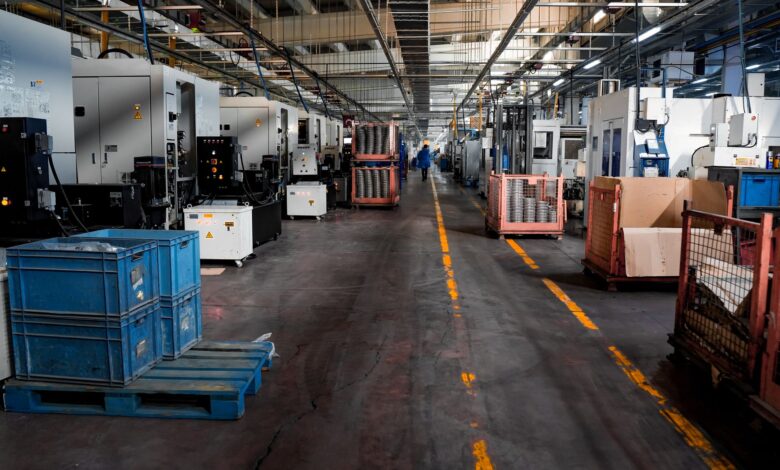
Apple’s decision to shift a growing portion of iPhone production to India is no longer an experiment – it’s a structural bet that puts one of the tech industry’s most powerful manufacturing partnerships under quiet but sustained pressure.
How India Became a Real Option
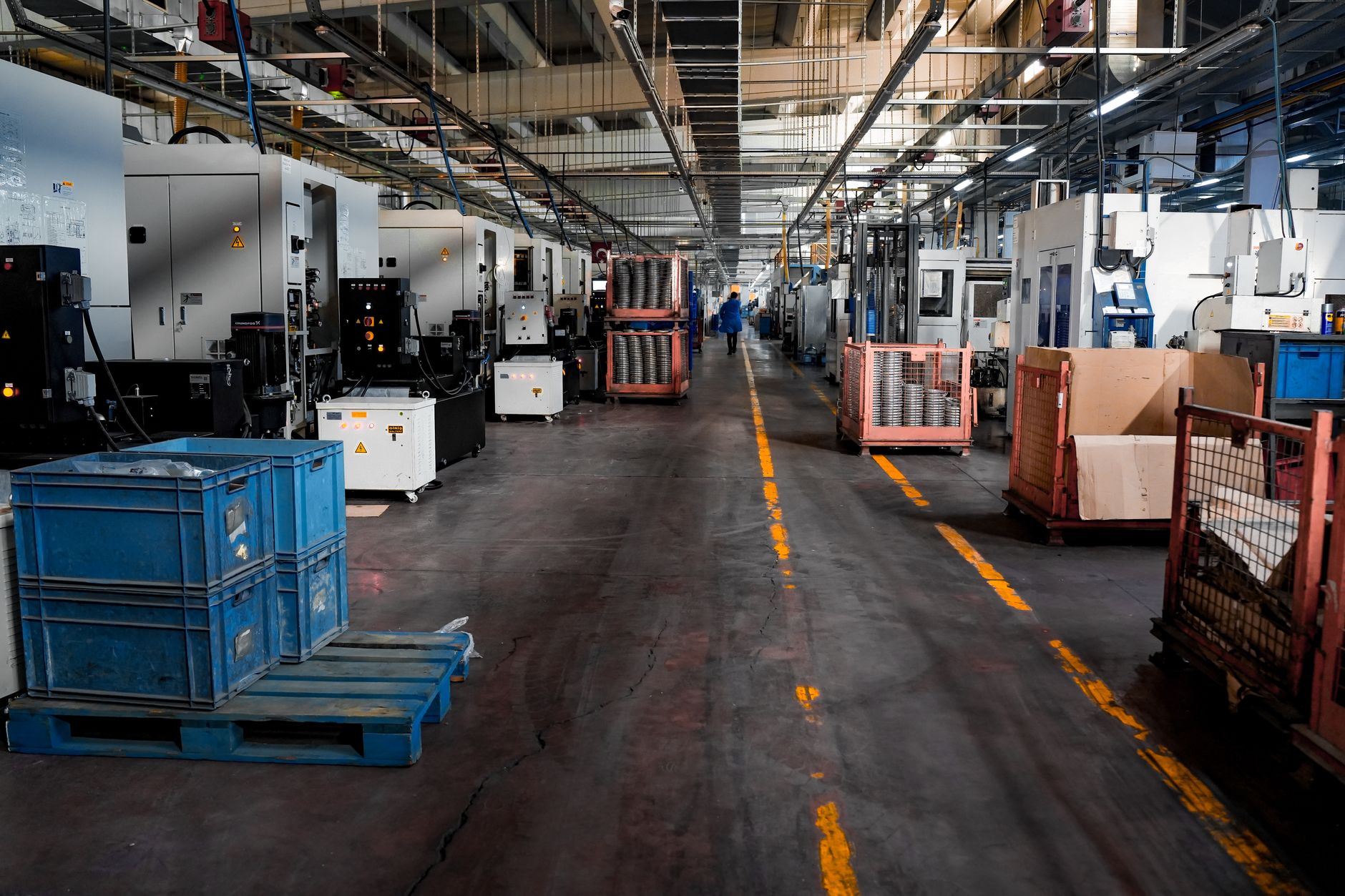
For years, the idea of manufacturing iPhones outside China was treated as a logistical fantasy. Foxconn’s facilities in Zhengzhou alone employed hundreds of thousands of workers and produced a significant share of the world’s iPhones with a precision that took decades to build. The infrastructure, the supplier networks, the institutional knowledge – all of it was rooted in China in ways that seemed nearly impossible to replicate quickly elsewhere.
What changed was a combination of pressure and opportunity arriving at the same time. U.S.-China trade tensions, supply chain disruptions during the pandemic years, and Apple’s own desire to reduce single-country dependency created the political and commercial logic for diversification. India, with its large labor force, improving infrastructure, and government-backed production incentive schemes, offered a credible alternative rather than just a symbolic one.
Foxconn moved first and aggressively. The company began expanding its Tamil Nadu operations, adding capacity to assemble iPhone models closer to their actual launch windows rather than months after China received them. That shift – from assembling older models to producing current-generation devices in India – marks the real inflection point. It signals that Apple now trusts Indian facilities with its flagship supply chain, not just its overflow.
Tata Group entered the picture by acquiring Wistron’s India operations and later completing a deal to take over Pegatron’s local facilities, making it the first Indian-owned company to manufacture iPhones at scale. This matters beyond symbolism. Tata’s involvement brings domestic political weight, local supply chain relationships, and long-term investment incentives that a foreign contractor operating in India simply cannot match in the same way.
What This Means for Foxconn’s Position
Foxconn is not losing Apple. That framing misreads the situation entirely. The company remains Apple’s largest manufacturing partner globally, and nothing about India’s growth changes that in the short term. But the nature of the relationship is shifting. Foxconn is now competing – partly against itself in India and partly against Tata – for a share of Apple’s expanding production pie rather than simply growing alongside Apple’s growth.
The strategic risk for Foxconn is less about losing contracts and more about losing leverage. When a single supplier controls the vast majority of production for a product as commercially important as the iPhone, that supplier holds significant negotiating power on pricing, timelines, and terms. As Apple deliberately cultivates multiple production nodes across multiple countries, Foxconn’s indispensability weakens. Not dramatically, not overnight, but directionally and measurably.
There’s also the question of where future investment flows. Apple has been vocal about its commitment to Indian manufacturing, and the Indian government has made clear it views Apple as a flagship case for its broader electronics export ambitions. That political attention translates into infrastructure spending, customs incentives, and regulatory support that makes India’s cost structure increasingly competitive with China’s – even accounting for the enormous head start Foxconn’s Chinese facilities have in terms of scale and sophistication.
China’s manufacturing cost advantages are also gradually narrowing as wages rise in major industrial centers. This doesn’t mean China loses its dominance anytime soon – the supplier ecosystem there is simply too dense and too specialized to dismantle quickly. But for Apple, the calculus has changed enough that building serious capacity in India is now economically rational rather than just politically motivated.
Foxconn’s response has been to double down on being the dominant player in India as well. Its Tamil Nadu expansion is substantial, and the company is clearly aware that ceding Indian ground to Tata would accelerate the erosion of its overall share in Apple’s supply chain. The result is a unusual situation where Foxconn is simultaneously Apple’s most important global partner and its most active competitor for Indian manufacturing contracts.
The Pressure Points Ahead

The real test comes when Apple decides how to allocate production for its next major product cycle. If India-based facilities – whether Foxconn’s or Tata’s – are given launch-day volume for a new iPhone generation at the same scale as Chinese factories, that will confirm the shift is structural rather than supplementary. Apple has so far avoided publicly confirming specific production targets for India, but the direction of capital spending tells its own story. This dynamic – of one partner quietly pressuring another through geography rather than confrontation – mirrors what has played out in other industries where a dominant supplier’s position was eroded not by a single decision but by a series of small ones that accumulated into something irreversible. The same logic applies to how luxury brands quietly shift leverage between competitors through controlled scarcity and distribution choices.
The unresolved tension is whether India can scale fast enough to matter at the volumes Apple actually needs. Building a parallel supply chain is not just about assembly plants – it requires component suppliers, quality control infrastructure, trained engineering talent, and logistics networks that take years to develop. Foxconn’s China operations benefit from thirty-plus years of compounding investment. India’s facilities are years old at most. Whether that gap closes fast enough to keep pace with Apple’s ambitions, or whether the structural constraints slow everything down and reinforce China’s position by default, is the question that neither Apple’s public statements nor Foxconn’s investor presentations will answer directly.