

A Recovery Story With a New Variable
Hertz has spent the better part of three years trying to rebuild itself after a bankruptcy filing that became one of the more dramatic corporate collapses of the early 2020s. The plan, simplified, was to modernize the fleet, cut costs, and position the company as something more than a legacy car rental business. Electric vehicles were supposed to be the story. Then Tesla’s robotaxi ambitions entered the frame, and suddenly Hertz’s recovery math got a lot more complicated.
Tesla’s Cybercab – the company’s autonomous taxi vehicle – is now moving toward commercial deployment in select U.S. cities, with Elon Musk describing the rollout as a staged expansion that could eventually make personal car ownership feel redundant for a significant portion of urban travelers. That kind of language would have seemed like typical Musk hyperbole a few years ago. But with robotaxi pilots already running in limited form through Tesla’s Full Self-Driving program, the timeline is starting to feel less speculative.
Hertz already sold off a large chunk of its Tesla EV fleet.

How the Robotaxi Threat Lands on Hertz Specifically
The car rental model depends on a specific kind of traveler: someone who needs a vehicle for a few days, typically in an unfamiliar city, without the overhead of ownership. Business travelers, tourists, airport arrivals. Robotaxis don’t just compete with Uber and Lyft for ride-hailing – they compete with exactly this demographic. A traveler landing in Austin or San Francisco who can summon a self-driving car for a week’s worth of trips at a flat rate does not need to visit a Hertz counter. That’s not a distant hypothetical. Tesla has said Austin and San Francisco are its initial target cities for Cybercab deployment.
What makes the pressure on Hertz unusual is that the company had already bet on Tesla directly. The 2021 deal to purchase 100,000 Tesla vehicles was supposed to signal a new direction – greener, tech-forward, appealing to a younger renter. When repair costs and depreciation hit harder than projected, Hertz began selling those EVs off at a loss, a retreat that drew sharp criticism from investors and industry watchers alike. Now the company that was supposed to be Hertz’s fleet upgrade is building the infrastructure to make fleet rentals less necessary in general.
Hertz’s current strategy leans on operational efficiency – fewer locations, a leaner fleet, stronger yield management on pricing. That’s a defensible approach for a company managing legacy costs. But yield management only works when demand holds steady, and a robotaxi expansion in major urban markets is a direct pressure on the exact demand Hertz is counting on to fund its turnaround.

The Timeline Problem and What Hertz Is Actually Betting On
Full autonomous deployment across multiple cities is not something that happens overnight. Regulatory approvals, insurance frameworks, liability standards – every one of these is a friction point that has slowed robotaxi expansion for every company in the space. Waymo, which is arguably further along in actual commercial operation than Tesla on the autonomous side, has taken years to expand from Phoenix to San Francisco to Los Angeles. Tesla’s approach, built around its existing camera-based FSD system rather than lidar, introduces a different set of technical debates that regulators are still working through. Hertz’s management is almost certainly counting on this friction to buy time.
The company’s near-term recovery plan also relies on markets where robotaxi deployment is unlikely to arrive soon – smaller metro areas, suburban corridors, leisure destinations that don’t have the population density to justify autonomous fleet infrastructure. A family renting a minivan in Orlando or a pickup truck in rural Montana is not the customer Tesla is targeting with Cybercab. That distinction matters for how Hertz segments its business going forward. Leaning into leisure travel and non-urban markets as a defensive posture is a plausible move, even if it means accepting a smaller total addressable market than the company once claimed.
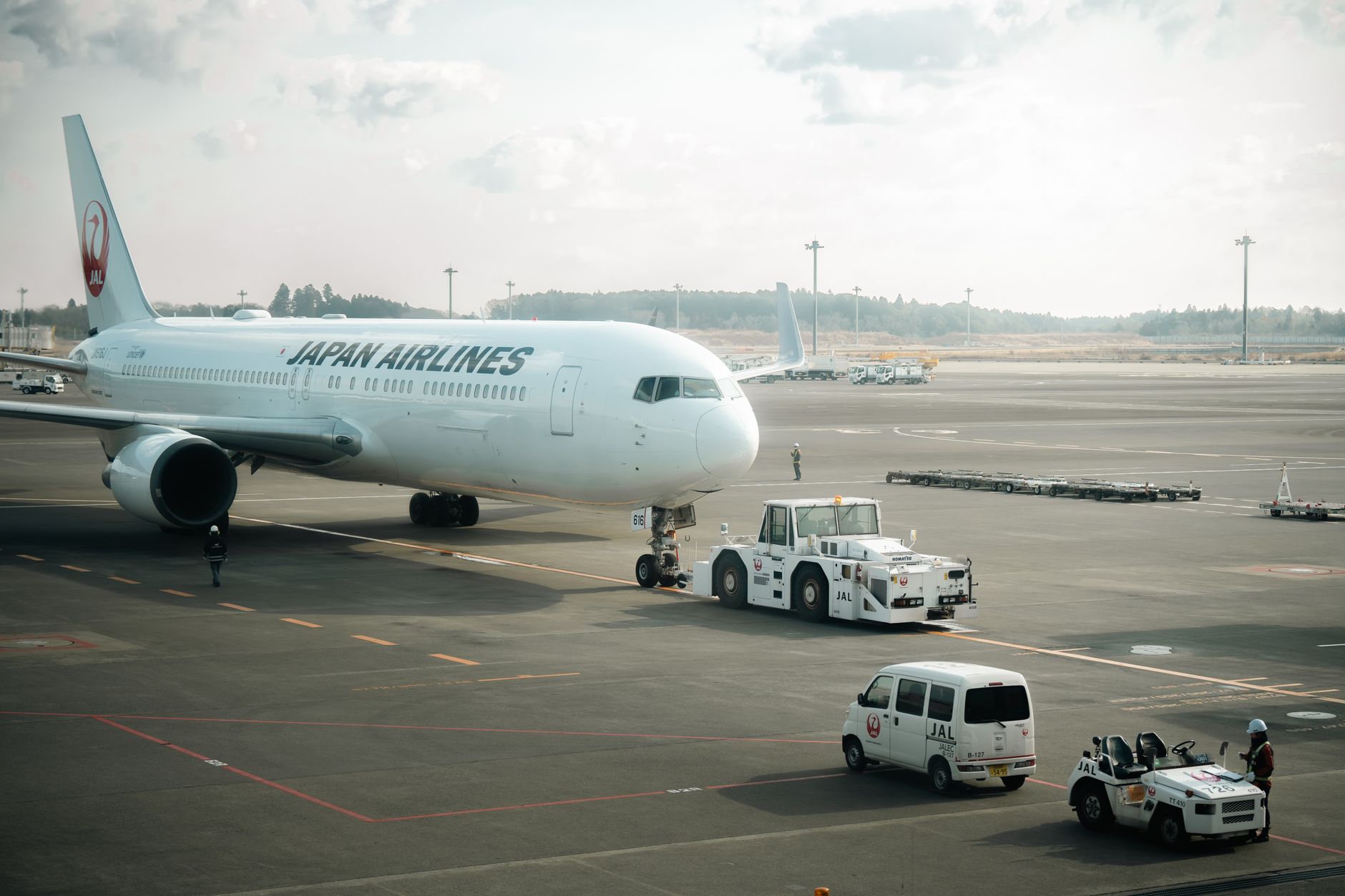
Still, urban airport locations – which generate a disproportionate share of car rental revenue industry-wide – sit squarely in the crosshairs of any serious robotaxi rollout. Airports are specifically where autonomous vehicles gain the most traction with the kind of traveler who has cash to spend and no local transportation network to rely on. Hertz has been investing in its airport infrastructure as part of the turnaround. That investment carries a different risk profile now than it did eighteen months ago.
The Question Nobody at Hertz Is Answering Loudly
Hertz’s public messaging has stayed focused on fleet optimization and profitability metrics, which is the correct thing to say when your stock is still climbing back from near-zero. But the company has not articulated a clear response to the autonomous vehicle threat beyond vague language about adapting to a changing transportation landscape – and for a business that is still technically in recovery mode, the absence of a concrete counter-strategy is a vulnerability that patient investors will eventually stop ignoring.