
Major Ransomware Attack Disrupts Healthcare Systems Across Northeast States


Hospital networks across six northeastern states scrambled to restore critical systems Tuesday morning after a coordinated ransomware attack crippled patient records, scheduling systems, and emergency communications at over 200 healthcare facilities. The attack, which began Monday evening, represents one of the largest healthcare cybersecurity breaches in recent years, affecting operations from Maine to Pennsylvania.
The cybercriminal group behind the attack, identified by security researchers as “DarkVault,” deployed encryption malware that locked healthcare workers out of electronic health records, laboratory systems, and patient monitoring networks. Hospitals in Massachusetts, Connecticut, Rhode Island, Vermont, New Hampshire, and parts of upstate New York reported widespread system failures, forcing many facilities to implement emergency paper-based protocols.
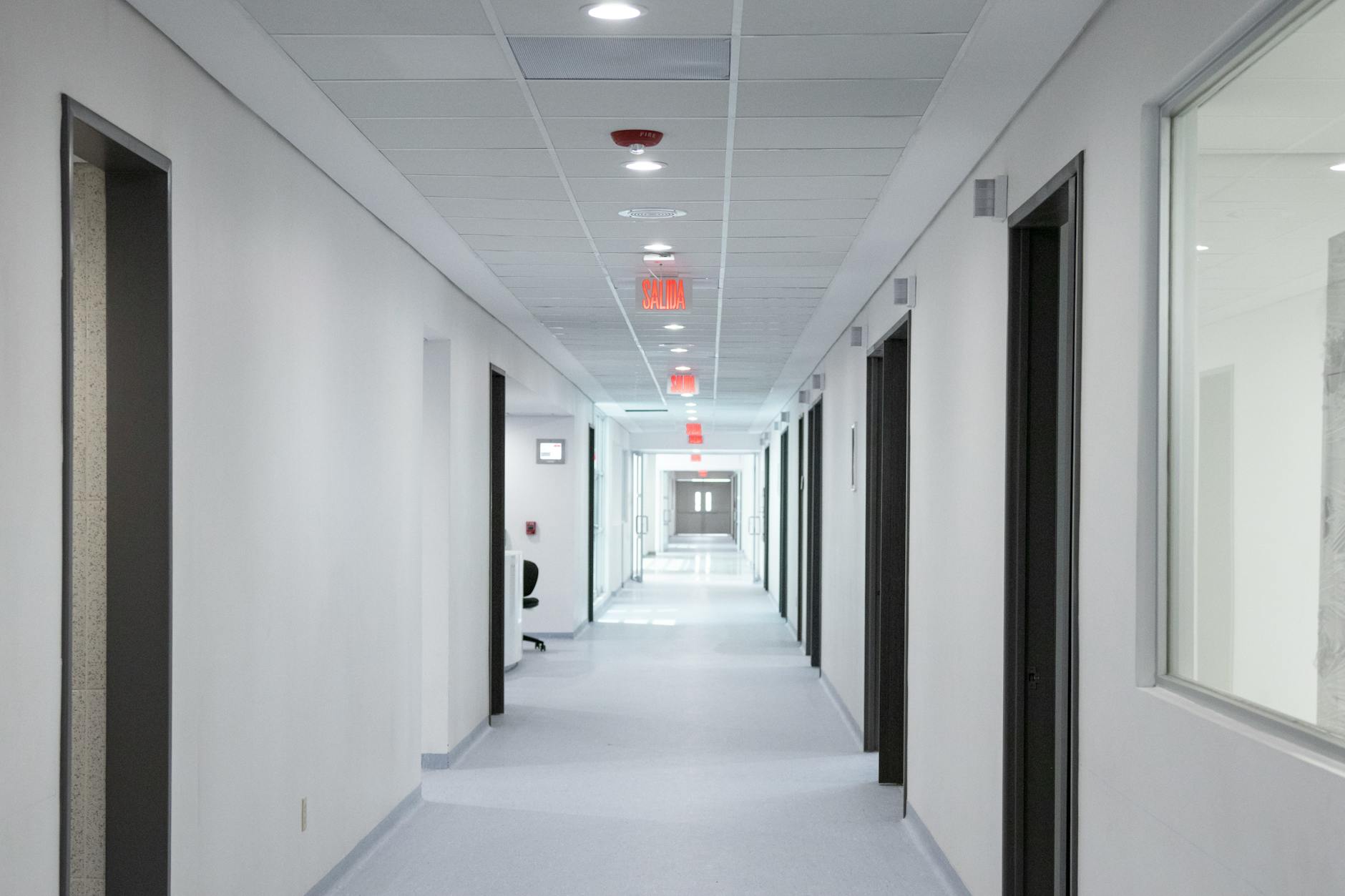
Emergency Response and Patient Impact
Healthcare facilities affected by the attack immediately activated crisis management protocols, reverting to manual systems to maintain patient care. Boston Medical Center, one of the largest hospitals impacted, confirmed that while patient safety systems remained operational, staff faced significant delays accessing medical histories and test results.
“We’ve implemented our emergency downtime procedures,” said Dr. Sarah Rodriguez, Chief Medical Officer at Springfield Regional Medical Center in Massachusetts. “Patient care continues, but we’re operating with limited access to digital records and scheduling systems.”
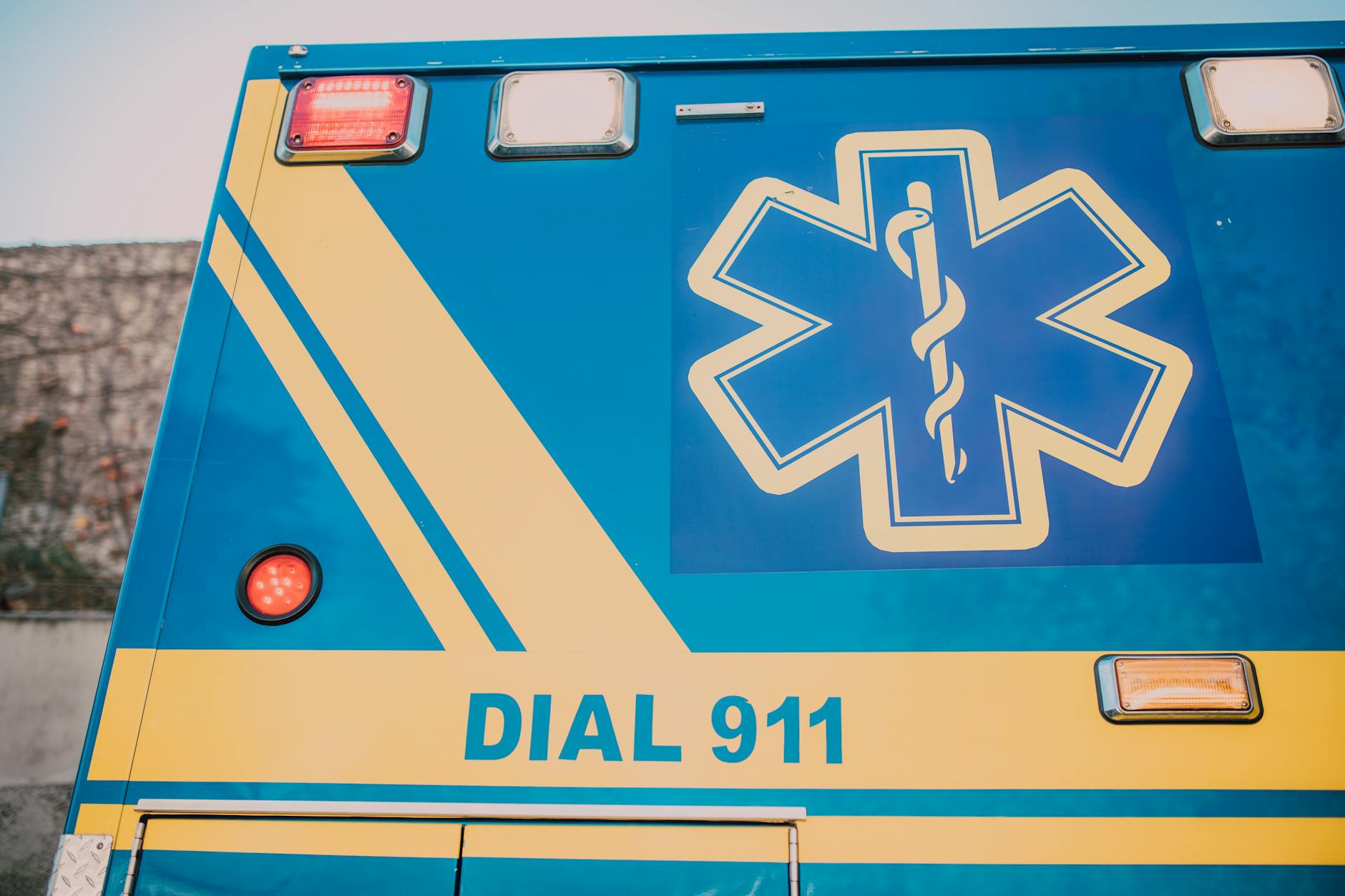
Several hospitals postponed non-emergency surgeries and diverted ambulances to unaffected facilities to manage the crisis. Emergency departments reported longer wait times as staff manually processed patient information and coordinated care without their usual digital tools.
The attack’s timing proved particularly challenging, occurring during peak flu season when many northeastern hospitals already faced capacity pressures. Some facilities reported delays in laboratory test processing and difficulties coordinating care between departments that typically rely on integrated digital systems.
Cybersecurity Response and Investigation
Federal authorities, including the FBI’s Cyber Division and the Department of Homeland Security’s Cybersecurity and Infrastructure Security Agency (CISA), launched an immediate investigation into the coordinated attack. Initial analysis suggests the hackers exploited vulnerabilities in widely-used healthcare software systems to gain network access across multiple facilities simultaneously.
“This appears to be a sophisticated, multi-vector attack targeting shared infrastructure components,” explained cybersecurity analyst Maria Chen from SecureHealth Solutions. “The attackers likely spent weeks mapping these networks before deploying their encryption payload.”
The ransomware strain used in the attack encrypts critical files while displaying demands for cryptocurrency payments to restore access. Security experts warn that paying ransoms often fails to guarantee full system recovery and can encourage future attacks. Most affected hospitals have declined to comment on whether they’re considering payment.

Healthcare cybersecurity has become increasingly vulnerable as medical facilities digitized operations over the past decade. Electronic health records, IoT medical devices, and interconnected hospital networks create numerous entry points for malicious actors. The healthcare sector reported over 700 cybersecurity incidents to federal authorities last year, with ransomware attacks accounting for nearly 40% of reported breaches.
Regional Infrastructure and Recovery Efforts
The attack’s impact extends beyond individual hospitals, affecting regional healthcare coordination and patient transfers between facilities. Shared networks used for emergency medical services coordination experienced disruptions, complicating ambulance routing and inter-hospital communications.
Recovery efforts focus on isolating infected systems while rebuilding clean network segments. Several major hospital systems brought in specialized cybersecurity firms to assist with data recovery and system restoration. The process could take days or weeks depending on the extent of system compromise and the availability of clean backup data.
Some facilities reported partial system restoration by Tuesday afternoon, though full recovery remains uncertain. Hospitals with robust backup systems and regularly tested disaster recovery protocols appeared better positioned to maintain operations during the crisis.
The attack highlights vulnerabilities in healthcare infrastructure that became more apparent during recent natural disasters. Similar to how Major Hurricane Milton disrupted Florida’s power grid, cyberattacks can cascade across interconnected systems, affecting services far beyond the initial target.
Long-term Security Implications
This coordinated attack underscores growing concerns about healthcare cybersecurity as medical facilities increasingly rely on connected systems and cloud-based services. Industry experts predict hospitals will face mounting pressure to invest in enhanced cybersecurity measures, including network segmentation, advanced threat detection, and comprehensive backup systems.
The incident may accelerate federal efforts to establish mandatory cybersecurity standards for healthcare organizations. Current regulations primarily focus on patient data privacy rather than operational security, leaving gaps that sophisticated attackers can exploit.
Healthcare executives across the region are reassessing their cybersecurity preparedness, with many planning increased security budgets and staff training programs. The attack serves as a stark reminder that healthcare facilities must balance accessibility for patient care with robust security measures to prevent future breaches.
As affected hospitals work to restore full operations, the incident will likely influence healthcare cybersecurity policies and emergency response protocols nationwide. Federal agencies continue investigating the attack while working with international partners to track the cybercriminal organization responsible for this unprecedented healthcare infrastructure disruption.
Frequently Asked Questions
How many hospitals were affected by the ransomware attack?
Over 200 healthcare facilities across six northeastern states were impacted by the coordinated cyberattack.
Are patients still receiving care during the attack?
Yes, hospitals activated emergency protocols using paper-based systems to continue patient care, though with some delays.