Major Freight Train Derailment Spills Hazardous Chemicals in Ohio Valley

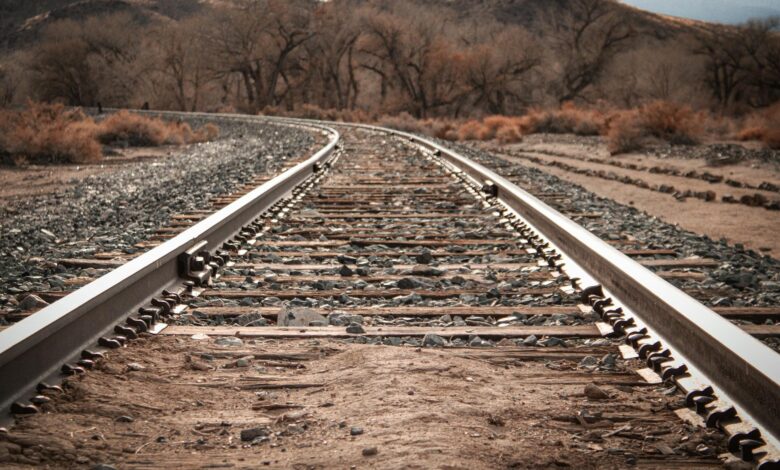
Hazardous chemicals spilled across a major stretch of Ohio Valley railroad tracks early Tuesday morning when a Norfolk Southern freight train carrying industrial materials derailed near the West Virginia border. The accident, involving 38 cars on a 150-car train, has prompted immediate evacuations and raised serious environmental concerns for the region’s waterways and air quality.
Emergency responders cordoned off a three-mile radius around the derailment site as hazardous materials teams worked to contain the spill. Initial reports indicate several tank cars carrying vinyl chloride, a chemical used in plastic production, were among those that derailed and breached. The incident has disrupted rail traffic along one of the region’s busiest freight corridors and triggered protocols for handling toxic chemical releases.
Emergency Response and Evacuation Efforts
Local authorities ordered immediate evacuations for residents within a two-mile radius of the crash site as a precautionary measure. Fire departments from three counties responded to the scene, with specialized hazmat teams taking the lead on containment efforts. The evacuation affects approximately 2,000 residents across rural communities in eastern Ohio and northern West Virginia.
“We’re treating this as a serious environmental and public health incident,” said Ohio Environmental Protection Agency spokesperson Maria Rodriguez during an emergency briefing. “Our primary concern right now is preventing further chemical release and protecting nearby water sources.”
The derailment occurred at 8:55 PM Monday evening on a curved section of track that runs parallel to Little Beaver Creek, a tributary that eventually flows into the Ohio River. Weather conditions at the time included light rain and temperatures around 35 degrees Fahrenheit, which emergency officials say could affect how the spilled chemicals behave and spread.
Emergency shelters opened at local schools and community centers to house evacuated residents. The American Red Cross deployed mobile units to provide temporary housing, meals, and basic necessities. Many families left their homes with only essential belongings as authorities emphasized the urgency of the evacuation order.
Environmental Impact and Contamination Concerns
Environmental scientists expressed immediate concern about the potential contamination of local water sources and soil. Vinyl chloride, the primary chemical involved in the spill, can pose serious health risks when released into the environment. The colorless gas can cause dizziness, headaches, and respiratory problems in the short term, while long-term exposure has been linked to liver damage and increased cancer risk.
“The proximity to waterways makes this particularly concerning,” explained Dr. Sarah Chen, an environmental toxicologist at Ohio State University. “We need comprehensive testing of both surface water and groundwater to understand the full scope of contamination.”
State environmental agencies began collecting water and air samples from multiple locations around the spill site. Preliminary readings detected elevated levels of volatile organic compounds in the immediate area, though officials stressed that comprehensive analysis would take several days. Wildlife officials also launched monitoring efforts to assess potential impacts on fish and other aquatic life in nearby streams.
The Ohio River, which supplies drinking water to millions of people downstream, remains a primary concern for environmental officials. Water treatment facilities in Pittsburgh, Cincinnati, and Louisville have been alerted to monitor their intake systems, though the contamination has not yet reached the main river channel.
Local farmers expressed worry about potential contamination of their land and livestock. The spill occurred in a region known for dairy farming and crop production, with several operations located within the evacuation zone. Agricultural officials are working with affected farmers to assess potential losses and coordinate alternative arrangements for livestock care.
Investigation and Transportation Safety
The National Transportation Safety Board dispatched a full investigation team to determine the cause of the derailment. Preliminary reports suggest the train was traveling at normal speed when cars began derailing on a curved section of track. NTSB investigators will examine track conditions, mechanical systems, and crew actions in the hours leading up to the accident.
Norfolk Southern suspended rail traffic along the affected corridor pending completion of track repairs and environmental cleanup. The company issued a statement expressing regret for the incident and pledging full cooperation with federal investigators and environmental agencies.
“Safety is our top priority, and we’re committed to working with all authorities to address this situation responsibly,” said Norfolk Southern spokesperson James Mitchell. The company has faced scrutiny over rail safety practices following several major transportation incidents affecting critical infrastructure across different regions this year.
Federal Railroad Administration officials joined the investigation, focusing on whether proper safety protocols were followed for transporting hazardous materials. The incident has renewed calls for stricter regulations on rail transport of toxic chemicals through populated areas.
The derailment also disrupted freight service across multiple states, as the affected rail line serves as a major corridor for moving goods between eastern manufacturing centers and midwestern markets. Alternative routing has caused delays for shipments of automotive parts, steel products, and consumer goods.
Recovery Timeline and Long-term Impact
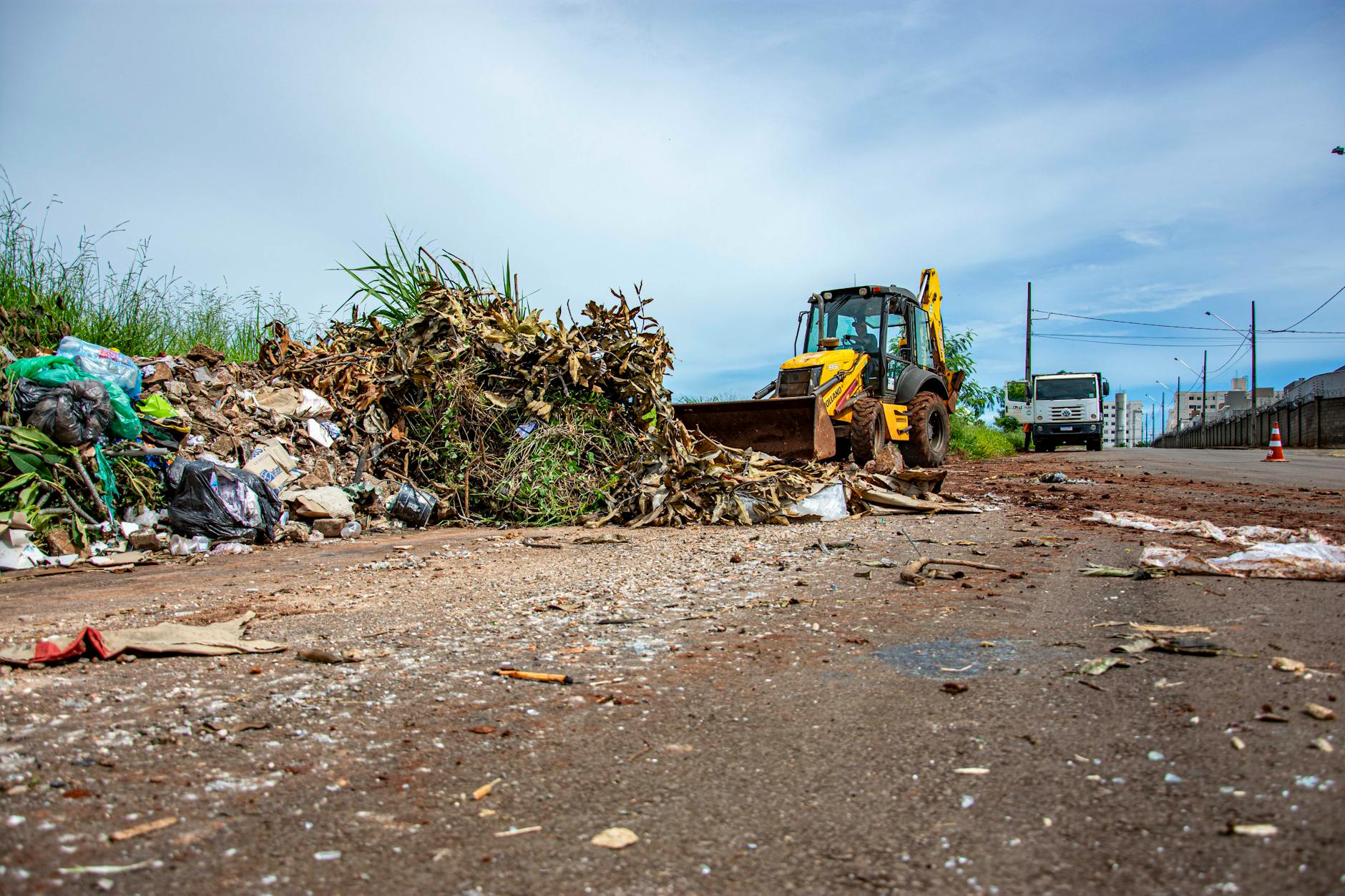
Environmental cleanup efforts could take months to complete, according to hazardous materials experts. Specialized contractors have begun mobilizing equipment to remove contaminated soil and begin the complex process of chemical neutralization. The work must proceed carefully to avoid additional releases or secondary contamination.
Residents may not be able to return to their homes for several weeks while air and water quality testing continues. Local officials are working with federal emergency management agencies to provide temporary housing assistance and support services for displaced families.
The economic impact extends beyond immediate cleanup costs, as local businesses, farms, and tourism operations face potential long-term effects from the contamination. Insurance adjusters are beginning to assess property damage claims, while environmental lawyers predict litigation over health and economic impacts could continue for years.
As the investigation continues and cleanup efforts intensify, this incident serves as a stark reminder of the risks associated with transporting hazardous materials through populated areas. The outcome of safety reviews and potential regulatory changes could reshape how toxic chemicals move across America’s rail network in the coming years.
Frequently Asked Questions
What chemicals were involved in the Ohio Valley train derailment?
The primary chemical was vinyl chloride, used in plastic production, which poses serious health and environmental risks when released.
How many people were evacuated after the derailment?
Approximately 2,000 residents within a two-mile radius were ordered to evacuate as a safety precaution.