

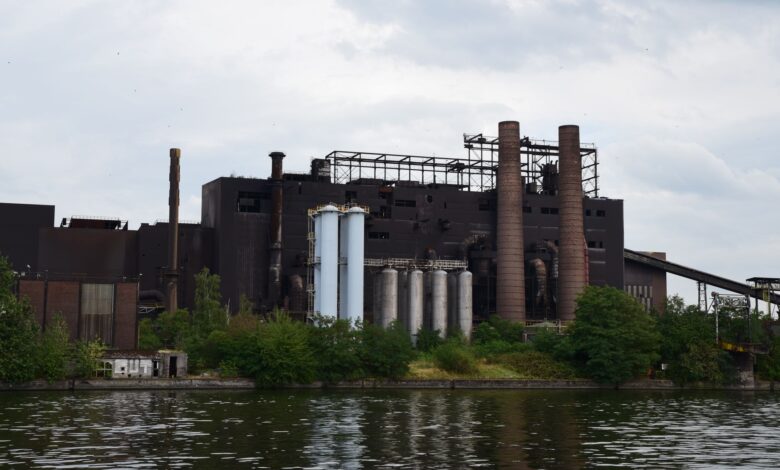
Hyundai Motor Group is making a calculated move to shield itself from rising U.S. tariff pressure by locking in domestic steel procurement deals – a strategy that signals how seriously the South Korean automaker is treating the threat of sustained trade barriers on imported goods.
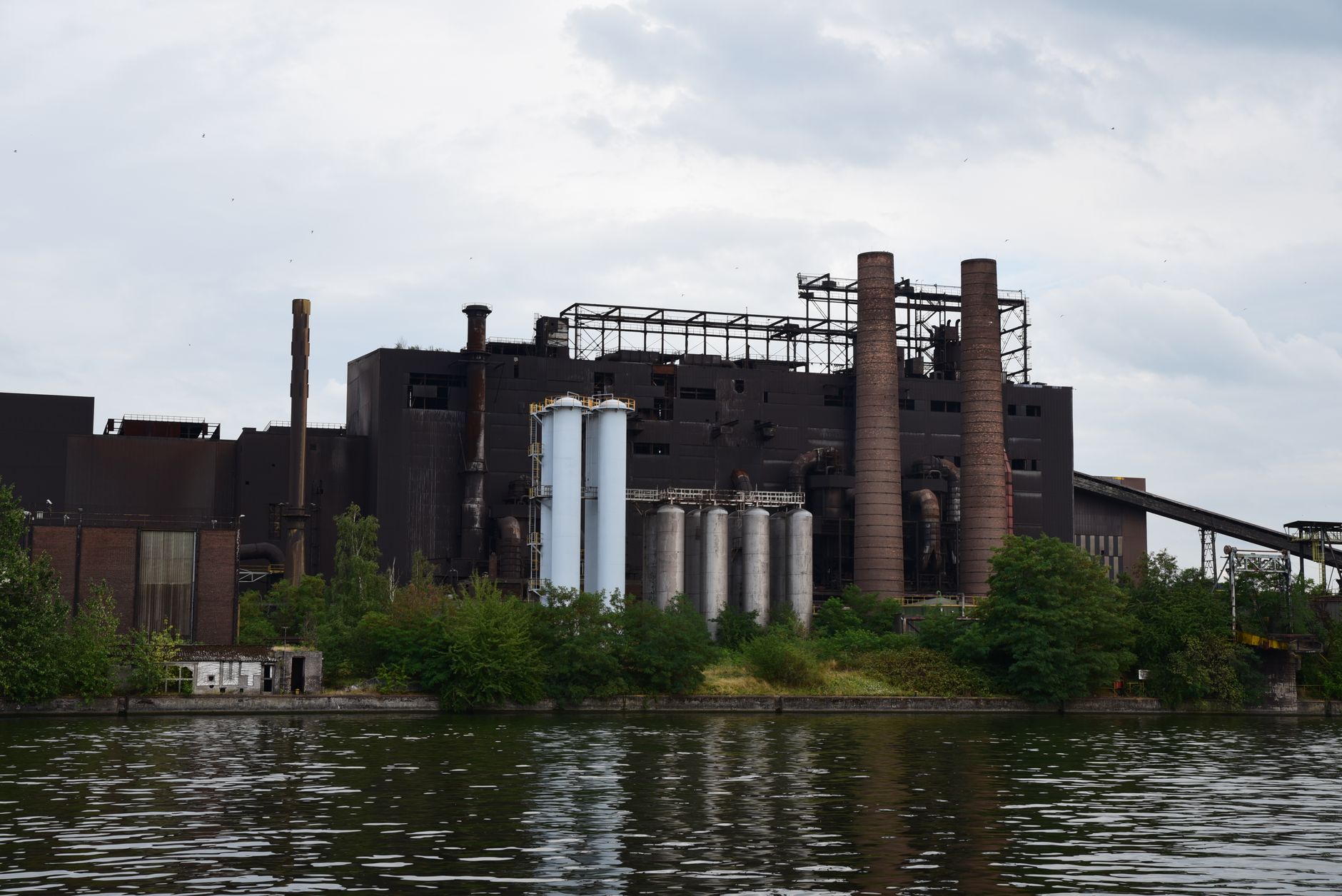
Steel Sourcing as a Tariff Defense
The core logic here is straightforward: if Hyundai buys its steel from American producers, it reduces the proportion of imported materials in its vehicles, which can help satisfy local content requirements and soften the blow of any tariff framework that penalizes foreign-sourced components. With the current U.S. administration keeping broad tariffs on the table – including automotive-specific measures – car manufacturers operating in America are scrambling to restructure their supply chains before the cost math becomes untenable.
Hyundai already operates a major manufacturing plant in Montgomery, Alabama, and recently expanded its U.S. footprint with the Metaplant facility in Bryan County, Georgia, which is set up to produce electric vehicles and batteries. Both plants consume significant volumes of steel. Locking in U.S. steel supply contracts for those facilities isn’t just a tariff play – it’s also about predictability. Steel pricing is notoriously volatile, and long-term domestic contracts offer some insulation from global commodity swings driven by Chinese overproduction, shipping disruptions, and energy cost fluctuations in overseas markets.
The timing of Hyundai’s steel push comes as the broader auto industry is recalculating its exposure to trade risk. The White House has already imposed 25% tariffs on imported vehicles and auto parts, a policy that hit foreign brands hard and prompted a wave of localization announcements from manufacturers across Japan, South Korea, and Europe. Hyundai was among the first to respond with a high-profile U.S. investment pledge – a $21 billion commitment announced earlier this year that spans EV production, AI, and supply chain infrastructure.
Steel deals fit naturally into that broader localization pitch. When Hyundai can point to contracts with American steelmakers, it strengthens its argument to policymakers that the company is contributing to domestic industrial employment – not just assembling imported parts on U.S. soil. That narrative carries political weight in Washington, where trade policy decisions aren’t made purely on economic grounds.
The Supply Chain Pressure Running Underneath
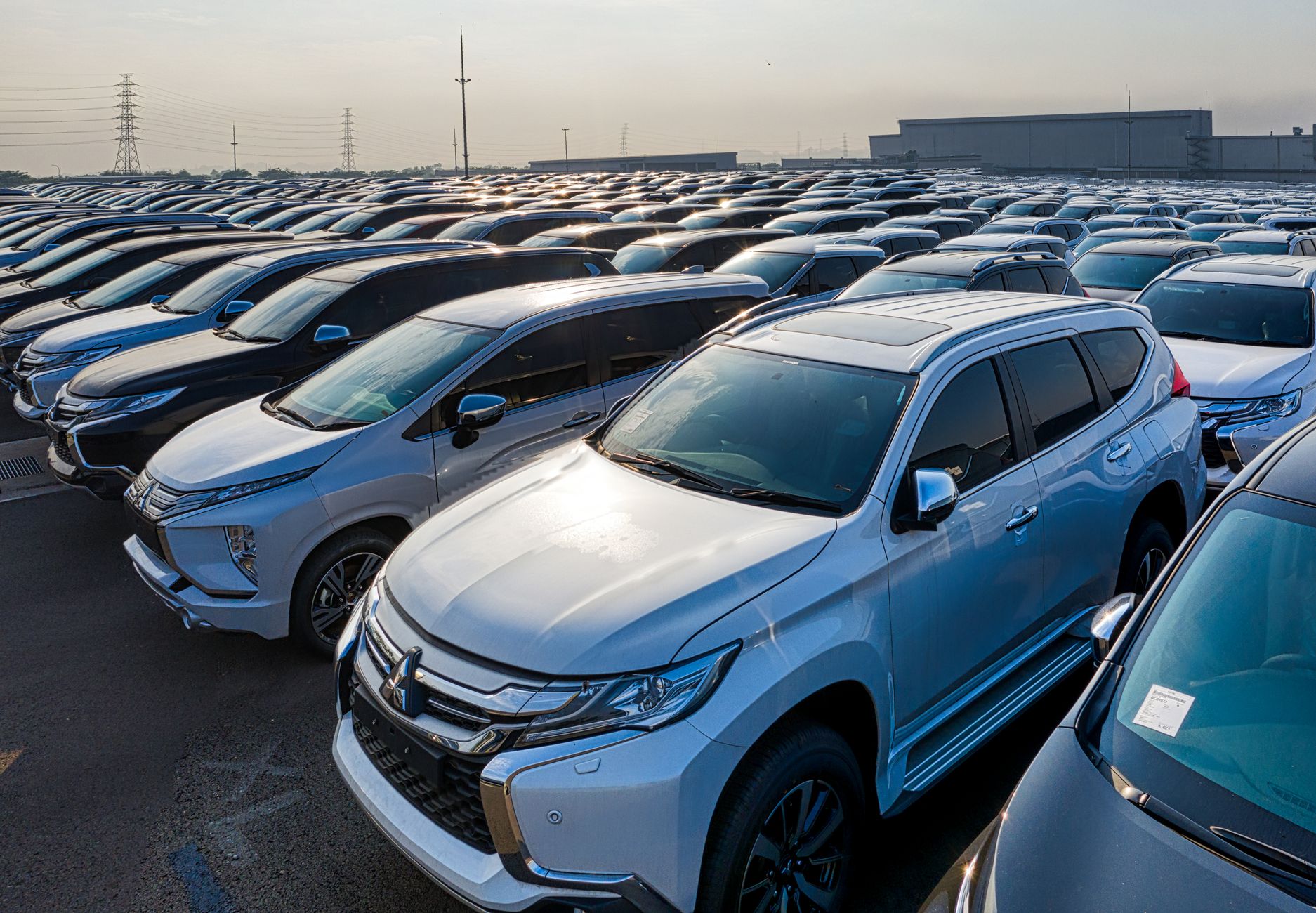
What makes Hyundai’s steel strategy worth watching closely is the structural pressure it reveals. Auto manufacturing involves thousands of individual components, and steel is foundational – it shapes body panels, chassis, suspension systems, and structural reinforcements. The grade, specification, and consistency of that steel directly affects production quality and safety ratings. Switching suppliers isn’t as simple as signing a new contract; it requires revalidating materials against engineering tolerances, which takes time and money.
American steel producers like Nucor, Cleveland-Cliffs, and U.S. Steel have been aggressively courting automotive buyers, knowing that tariff-driven reshoring creates an opening to win back customers who drifted toward cheaper imports over the past two decades. Cleveland-Cliffs in particular has positioned itself as the primary domestic supplier to the auto sector, having acquired several steelmaking assets previously owned by ArcelorMittal. That consolidation means Hyundai has fewer domestic counterparties to negotiate with, but the ones that exist have genuine scale to meet an automaker’s volume demands.
There is a cost tradeoff involved. Domestic steel generally runs at a premium compared to imports from South Korea, Japan, or even some European sources – partly due to higher U.S. labor costs and energy expenses. For Hyundai, absorbing that premium is defensible if it avoids tariff exposure and secures political goodwill, but it does compress margins on vehicles produced in the U.S. The company will likely attempt to offset some of that cost through volume commitments that unlock better pricing, and through efficiency gains in its newer Georgia facility, which was designed from the ground up with cost optimization in mind.
The Georgia plant adds another dimension to this calculus. It’s not just a vehicle assembly facility – it’s part of a broader EV manufacturing ecosystem that Hyundai is building in the American South. Battery packs, powertrains, and now potentially steel supply are all being localized in parallel. That vertical integration approach reduces the number of imported inputs in each vehicle, which directly affects how the vehicle is classified under content rules tied to federal EV tax credits and any future tariff exemption frameworks. The EV market is already seeing domestic automakers rethink production targets, and Hyundai’s supply chain moves suggest it intends to hold its position regardless of how demand shifts.
There’s also a geopolitical layer that can’t be ignored. South Korea and the United States maintain a strong alliance, but trade relationships between allied nations can still generate friction when domestic jobs and industrial capacity are at stake. Hyundai sourcing American steel is partly a diplomatic gesture – a visible demonstration that the company’s U.S. presence creates economic value for American workers, not just for Hyundai shareholders.
What Comes Next for Hyundai’s U.S. Position
Hyundai’s ability to fully execute this strategy depends on how quickly it can bring U.S. steel into its production pipeline at scale. Automotive-grade steel isn’t generic commodity steel – it has to meet precise specifications that govern everything from formability to corrosion resistance, and domestic mills need time to ramp capacity for specific grades. If supply shortfalls emerge during that transition, Hyundai could face production interruptions that offset any tariff savings the strategy was designed to generate.
The deeper question is whether securing U.S. steel is enough to satisfy policymakers, or whether it’s simply the opening move in a longer negotiation over what “American-made” actually means in a globalized automotive supply chain. The parts that go into a door hinge, a wiring harness, or a battery management system each carry their own sourcing origin – and steel, while foundational, is just one variable in a very long equation. Hyundai has answered the steel question, but the rest of that equation is still being written in real time.