

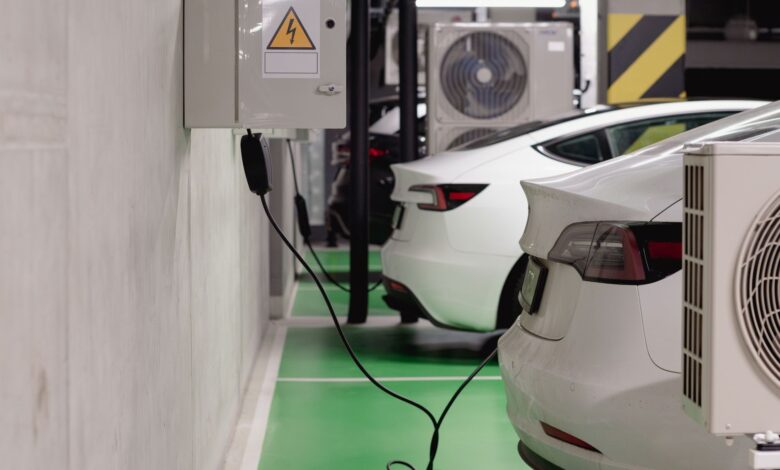
Ford Pulls Back on Its All-Electric Ambitions
Ford Motor Company is scaling back its electric vehicle production targets, signaling a strategic retreat that would have been hard to imagine just two years ago when the company was racing to compete with Tesla. The automaker has quietly revised its EV output goals downward while simultaneously expanding its hybrid lineup – a move that says as much about consumer behavior as it does about corporate planning.
The pivot is not just Ford admitting the EV transition is slower than expected. It reflects a genuine recalibration of what American car buyers actually want right now, versus what automotive executives predicted they would want by 2024. Hybrids, long dismissed as a transitional technology that would be obsolete within a decade, are selling faster than many production lines can handle.
The Numbers Behind the Retreat
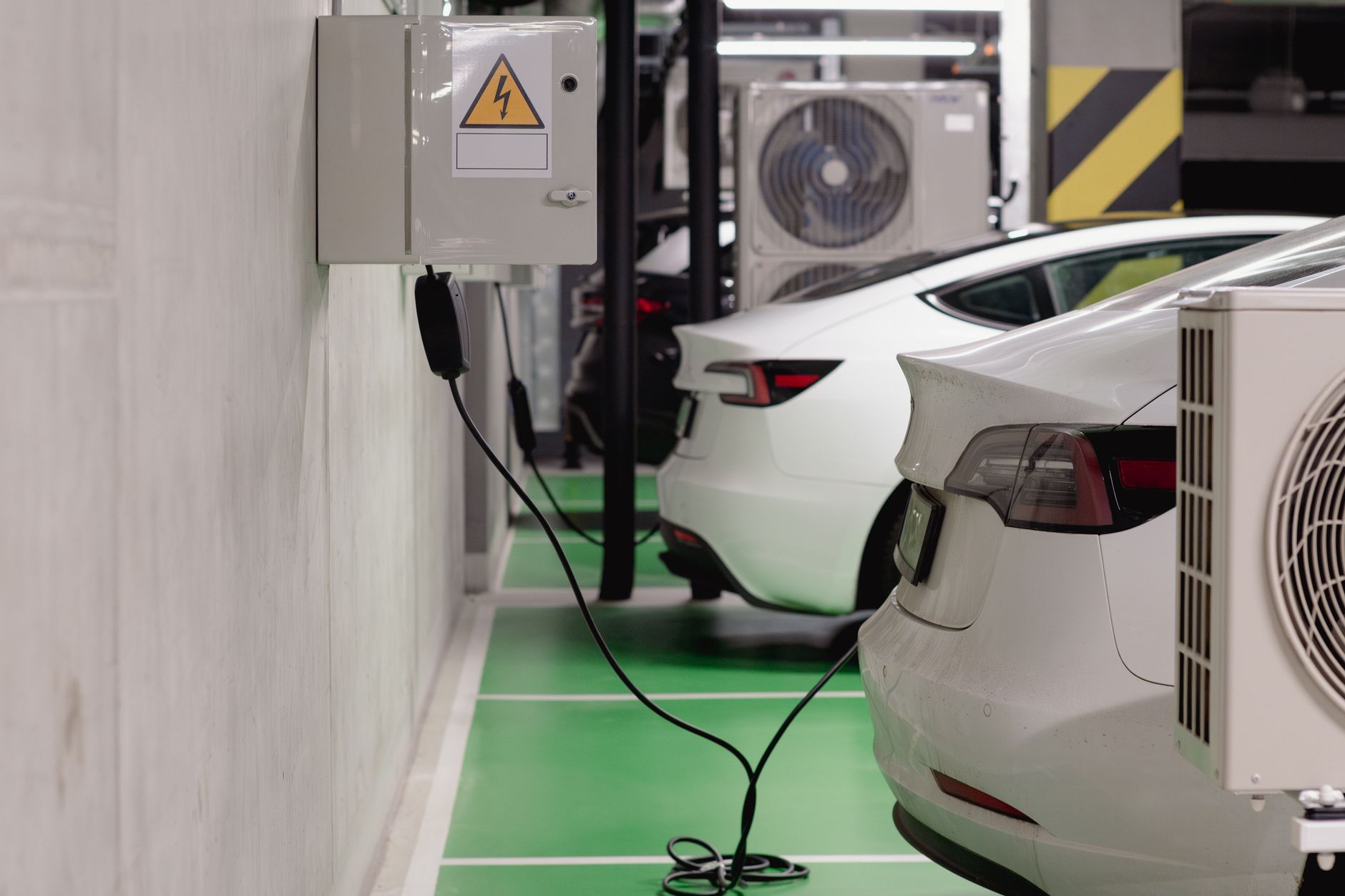
Ford had originally committed to producing around 600,000 electric vehicles annually by the end of 2024, a target that looked ambitious even when announced. The company has now pulled that figure back considerably, citing weaker-than-expected demand in key markets and ongoing pressure on profit margins from battery costs that remain stubbornly high. Ford’s Model e division, the unit responsible for its EV business, has posted significant losses per vehicle – losses that the company acknowledged openly rather than burying in quarterly footnotes.
What makes this retreat strategically interesting is that Ford is not abandoning EVs entirely. The F-150 Lightning and Mustang Mach-E remain in production. Instead, Ford is redistributing investment capital away from aggressive EV scaling and toward the hybrid and plug-in hybrid vehicles in its lineup that are currently generating real consumer demand without the margin destruction. That kind of internal rebalancing rarely happens quickly in a company Ford’s size, which makes the speed of this shift notable.

Hybrids Are Having a Genuine Moment
The resurgence of hybrid vehicles is not a marketing story – it is a sales story. Ford’s Maverick hybrid pickup truck has maintained a waitlist for much of its commercial life, with buyers willing to wait months for a vehicle that gets strong fuel economy without requiring them to plan routes around charging stations. The Escape Hybrid has seen similar sustained demand. These are not numbers propped up by fleet purchases or corporate sustainability programs; they represent retail consumers making practical choices.
The appeal is straightforward. A hybrid requires no new infrastructure investment from the buyer. No home charger installation, no range anxiety on long trips, no mental recalibration of driving habits. For buyers outside dense urban areas – which is to say, a large portion of the American car-buying public – a hybrid functions almost identically to the gas-powered vehicle they already know, with better fuel economy as the only meaningful behavioral difference.
Plug-in hybrids occupy an interesting middle ground that is also gaining traction. A driver with a short daily commute can run almost entirely on electricity while still having a gasoline engine available for weekend road trips. This format answers the two complaints heard most frequently from EV skeptics: charging inconvenience and range limitations. The fact that plug-in hybrids have a higher sticker price than conventional hybrids has not slowed their growth, suggesting buyers genuinely value that flexibility.
Toyota’s long-standing dominance in hybrid technology has arguably made this moment easier for Ford. Consumer familiarity with the category – built over two decades of Prius visibility – reduced the education burden for other manufacturers entering the hybrid space. Ford does not have to convince buyers that hybrids work. It just has to convince them that its hybrids are worth buying.
What This Means for Ford’s Competitive Position
Adjusting EV targets carries a real reputational cost. Automakers that made loud public commitments to electrification are now walking those back in view of investors, regulators, and environmental advocates who had taken those timelines seriously. Ford will face scrutiny over whether this is a temporary tactical adjustment or evidence that the company underestimated the structural challenges of EV manufacturing from the beginning.
General Motors has faced similar questions after pulling back on its own ambitious EV targets. Stellantis has restructured its electrification roadmap multiple times. The pattern across the industry is consistent enough that it is no longer accurate to frame any single automaker’s recalibration as an isolated stumble – this is an industry-wide reckoning with the gap between projected and actual EV adoption rates.
The Longer Question Ford Cannot Avoid
The risk in leaning heavily into hybrids is that it extends reliance on internal combustion technology at a moment when regulatory pressure in Europe and parts of Asia is pushing hard toward full electrification deadlines. California’s zero-emission vehicle mandate, and the states that follow California’s lead, will eventually create a hard ceiling for hybrid-only strategies. Ford’s hybrid surge buys time, but time is not a solution.
Battery costs are still declining, though not as fast as the industry had projected. Charging infrastructure is expanding, though not fast enough to eliminate range anxiety for buyers in rural and suburban markets. Ford’s bet is essentially that hybrids can generate the revenue and profit needed to fund continued EV development without forcing the company to sell electric vehicles at a loss indefinitely. Whether that runway is long enough depends heavily on how quickly the underlying economics of battery production actually improve.
What Ford cannot fully control is what its competitors do in the meantime. Chinese automakers, operating with lower cost structures and aggressive government support, continue to develop and export affordable electric vehicles that could complicate the mid-market calculations Ford is making right now. If a competitively priced, long-range electric vehicle from an overseas brand captures the American buyer Ford is currently retaining with its hybrid lineup, the strategic window Ford is counting on narrows considerably faster than any internal projection suggests.
Frequently Asked Questions
Why is Ford cutting its EV production targets?
Ford cited weaker-than-expected consumer demand and high per-vehicle losses in its Model e division as the main reasons for scaling back EV output goals.
Are hybrid vehicles replacing EVs at Ford?
Not permanently, but Ford is shifting investment toward hybrids in the short term because they are selling well and generating better margins than its current EV lineup.