

The World’s Largest Food Company Is Getting Smaller on Purpose
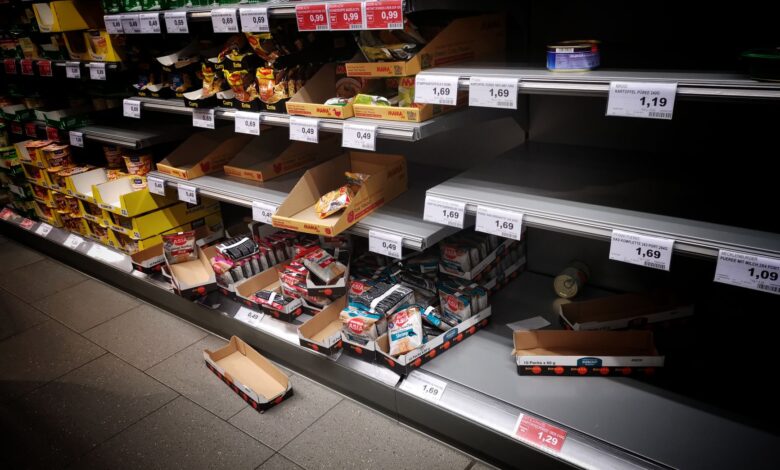
Nestlé, the Swiss giant behind everything from Nespresso to KitKat to Purina, is in the middle of a deliberate contraction. After decades of acquiring brands across every conceivable food and beverage category, the company is now selling, spinning off, or quietly phasing out the parts of its portfolio that no longer pull their weight. The strategy is not accidental – it is a direct response to slowing organic growth, margin pressure, and a growing chorus of activist investors who have made clear they are done waiting for a turnaround.
Activist fund Artisan Partners has been among the loudest voices pushing Nestlé’s board to act faster and cut deeper. The pressure has been building for several years, but it reached a new pitch after the company reported underwhelming growth numbers that left it trailing competitors in both innovation and profitability.
Nestlé’s problem is not any single brand. It is the weight of too many of them.
A Portfolio Built for Another Era
For most of the late 20th century, Nestlé’s acquisition strategy was its competitive advantage. Buying up regional food brands gave the company instant access to local distribution networks, loyal consumer bases, and manufacturing infrastructure it would have taken years to build from scratch. That logic made sense when consumer packaged goods were a volume game – the more shelf space you occupied, the more revenue you generated, almost regardless of what you were selling.
That dynamic no longer holds. Grocery chains have become far more ruthless about which brands earn premium shelf placement, and consumers – particularly younger ones – have shown a consistent willingness to switch to newer, smaller brands that feel more authentic or offer cleaner ingredient lists. A mid-tier frozen meal brand or a legacy chocolate bar with flat sales does not just fail to grow; it actively dilutes management attention and capital that could go toward faster-moving categories like pet food, coffee, and health nutrition, which remain Nestlé’s strongest performers.
Divesting underperformers sounds straightforward, but it rarely is. Many of Nestlé’s weaker brands are deeply embedded in specific markets – a confectionery line that dominates one country but barely registers elsewhere, or a water brand with high infrastructure costs and thin pricing power. Selling those assets requires finding buyers willing to pay a fair price, which is harder when a brand’s growth trajectory is already flat. Nestlé has reportedly been willing to accept lower valuations to accelerate the cleanup rather than hold out for optimal terms.
Activist Pressure and the CEO Factor
When Laurent Freixe took over as CEO in late 2024, replacing Mark Schneider, he inherited a company that had already begun slimming down but had not moved fast enough to satisfy investors. Artisan Partners, which holds a meaningful stake in the company, has pushed for a clearer focus on Nestlé’s highest-margin categories and more aggressive disposal of brands that drag on overall returns. The fund’s argument is straightforward: Nestlé’s stock has significantly underperformed its peers over recent years, and the sprawl of its brand portfolio is a core reason why.

Freixe’s early moves suggest he understands the assignment. The company has signaled intent to concentrate resources on a shorter list of priority categories – pet care, coffee, and health science are consistently mentioned as areas where Nestlé has defensible pricing power and genuine consumer loyalty. Brands outside those cores are being evaluated more harshly, and some that have survived multiple rounds of review are now genuinely at risk of being sold or wound down.
This kind of activist-driven restructuring is playing out at more than one major consumer company right now. HSBC’s retreat from retail banking follows a similar logic – a large institution narrowing its focus under investor pressure to concentrate capital where returns are highest, rather than spreading thin across legacy operations that look impressive on an org chart but underdeliver financially. The pattern is the same: size becomes a liability when it cannot be converted into returns.
What Gets Cut and What Survives
Nestlé has already sold off its U.S. candy business, its Herta charcuterie brand, and a number of water brands under the Pure Life umbrella. The criteria for what stays and what goes has become clearer over time: brands that can command pricing power in premium or fast-growing segments get resources; brands competing on price in categories with minimal differentiation get reviewed. That second group is shrinking.
The pet care division – operating under the Purina brand family – remains largely untouchable. It has been one of the company’s most consistent growth engines, benefiting from the long-term trend of pet owners spending at levels previously reserved for children. Nespresso and the broader coffee segment also remain core, though even there Nestlé has had to defend market share against both premium single-serve competitors and a wave of specialty coffee culture that has made some consumers skeptical of capsule-based systems.
Health science is the category that represents the most overt strategic bet. Nestlé has been building its position in medical nutrition and health-focused consumer products for years, betting that aging populations in developed markets will drive sustained demand for products that sit somewhere between food and medicine. The margins in that space are considerably higher than in conventional packaged food, which is exactly the kind of mix improvement activist investors are looking for.
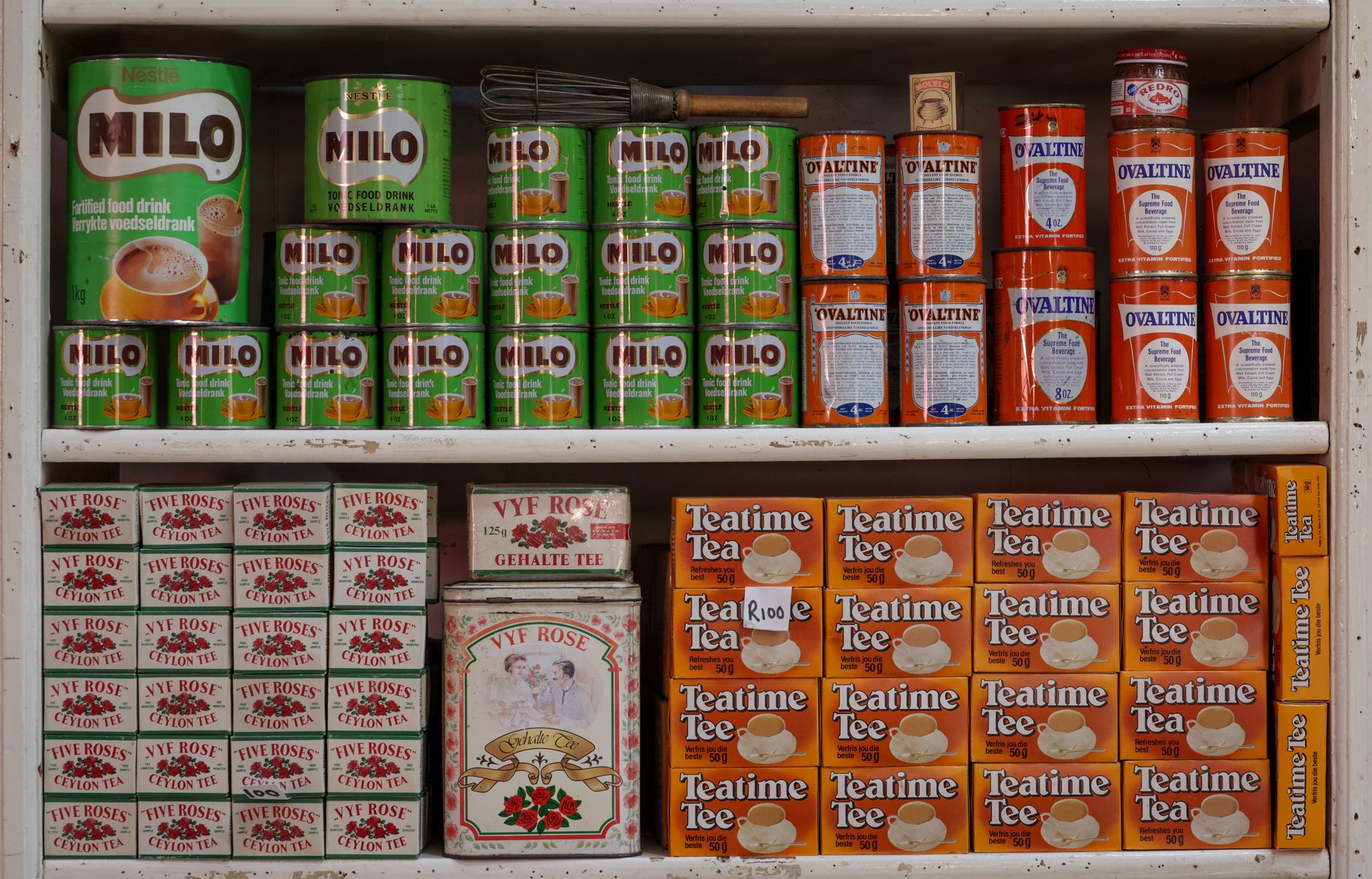
Whether the divestitures move fast enough to satisfy Artisan and other shareholders is the unresolved question heading into the second half of 2025 – Nestlé’s stock is still recovering, its organic growth target has been revised downward, and each brand sale that fails to close quickly becomes another data point for investors who believe the company is still moving too cautiously.