

A Backlog That Just Won’t Clear
Boeing’s 737 MAX production line was supposed to be back on track by now. After two fatal crashes, a global grounding, pandemic-era shutdowns, and a factory door plug that blew out mid-flight over Oregon in January 2024, the company has spent years promising airlines that deliveries would normalize. They have not. The backlog of undelivered 737 MAX jets continues to stretch further than carriers planned for, and the strain on airline scheduling is no longer something operators can quietly absorb.
The core problem is not a single failure but a cascade of overlapping pressures. Boeing’s own production rate has been capped by regulators following the Alaska Airlines incident, limiting output to 38 aircraft per month on the MAX line – well below the 57 per month the company was targeting before 2024. Supplier defects, worker strike disruptions late last year, and quality inspection backlogs have all compounded the slowdown. Airlines that placed orders years ago are now receiving jets on timelines that bear little resemblance to what was originally contracted.
Some carriers have quietly given up waiting.
Airlines Forced to Improvise
When a new aircraft does not arrive on schedule, an airline does not simply cancel its route plans. It scrambles. Carriers relying on 737 MAX deliveries to replace aging fleets or launch new routes have been forced into a range of uncomfortable workarounds – extending leases on older, less fuel-efficient jets, wet-leasing aircraft from other operators at significant cost, or simply pulling planned capacity from the schedule entirely. Each of these options eats into margins that were already thin coming out of a brutal few years for the industry.
Low-cost carriers built around the MAX’s fuel efficiency have felt the squeeze most acutely. The entire economic model of a budget airline operating the 737 MAX depends on the jet burning meaningfully less fuel per seat than its predecessors. When that aircraft is delayed by 12 or 18 months and a carrier is stuck operating older jets in its place, the cost differential per flight can be significant enough to shift a profitable route into loss territory. Some of these carriers have had to revise capacity guidance to investors mid-year, which is the kind of admission that tends to damage stock prices and credibility simultaneously.
The pressure has also surfaced in contract renegotiations. Airlines that had locked in delivery slots years ago are now going back to Boeing seeking compensation for late deliveries, updated pricing terms, or both. Boeing, for its part, is in a weak negotiating position – the company posted a loss exceeding $6 billion in 2024 and is simultaneously managing similar production challenges on its widebody 787 Dreamliner program. Writing large compensation checks to airline customers while burning through cash reserves is not a comfortable position for any manufacturer.
Regulatory Scrutiny Is Not Letting Up
The Federal Aviation Administration’s decision to cap 737 MAX production following the Alaska Airlines door plug incident was itself a signal that regulators had lost patience with Boeing’s self-reported quality improvement timelines. The FAA has since embedded its own inspectors directly in Boeing’s Renton, Washington factory – a level of oversight that is unusual in the manufacturer-regulator relationship and reflects how deeply trust had eroded. Under that arrangement, Boeing cannot simply increase its production rate by executive decision. It must demonstrate sustained quality metrics before the cap will be reconsidered.
That demonstration is taking longer than Boeing publicly projected. The company’s new CEO, who took over in mid-2024, has emphasized a slower, more methodical return to full production rather than pushing for speed at the expense of quality. That is the right instinct from a safety standpoint, and the FAA has acknowledged the change in tone. But the practical result is that airlines are not getting a clear, reliable date for when the production rate will climb back to levels that would actually clear the backlog at meaningful speed.
International aviation regulators have added their own layer of complexity. The European Union Aviation Safety Agency and others conducted independent reviews of Boeing’s quality assurance processes following the 2024 incident, and some have required additional documentation before approving certain MAX variants for expanded operations. While no major regulatory body has moved toward a second grounding, the extra oversight creates administrative friction that slows the certification and delivery pipeline in ways that rarely show up clearly in Boeing’s official timelines.
What Airlines Are Actually Doing
The carriers managing this situation most effectively are the ones that did not put all their fleet planning into a single aircraft type. Airlines that maintained a mix of Airbus A320neo family jets alongside MAX orders have been able to shift delivery priorities toward Airbus when Boeing has fallen short – though Airbus has its own production bottlenecks stemming from engine supply issues at CFM International and Pratt and Whitney. The idea that there is an easy alternative waiting on the shelf is not accurate. Both major narrowbody manufacturers are selling jets into a market where demand consistently outpaces supply.
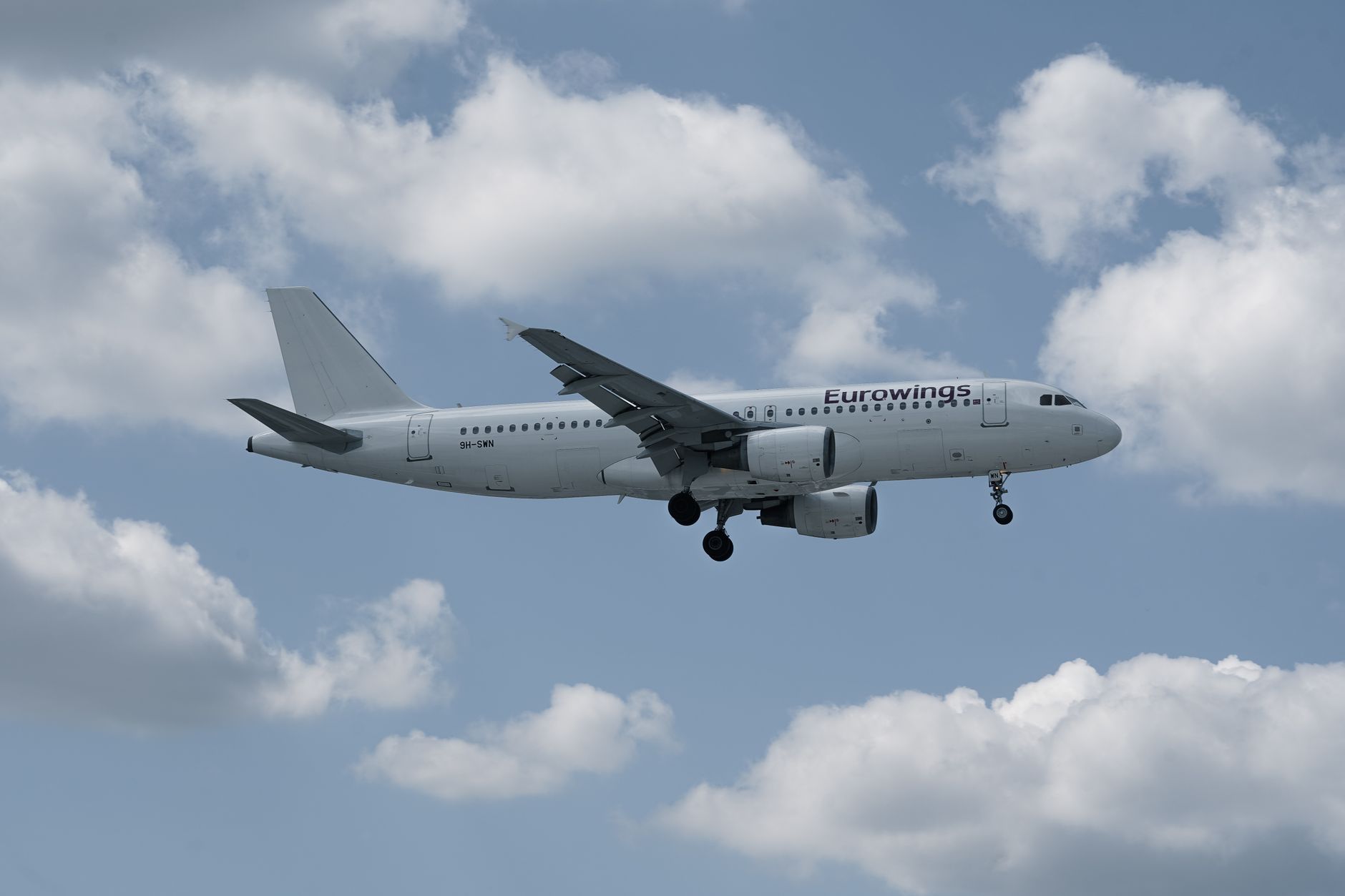
Boeing has roughly 4,600 commercial aircraft on order as of early 2025, with the vast majority being 737 MAX variants. At current production rates, clearing that backlog in any reasonable timeframe requires the company to eventually reach and sustain rates above 50 jets per month. Getting there will require not just regulatory clearance but supplier network rebuilding, workforce stabilization after last year’s strike, and a quality culture shift that cannot be mandated by memo. The airlines waiting on those jets have heard the optimistic timelines before, and they are budgeting for delays they hope will not come.