

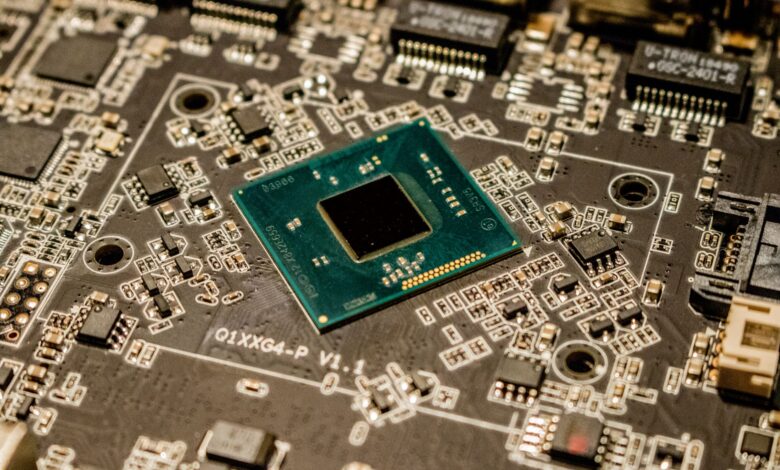
Arm Holdings built its empire on a deceptively simple idea: design the architecture, license it to everyone, and collect royalties on every chip sold. For decades, that model worked. Now, the math is getting harder to defend.
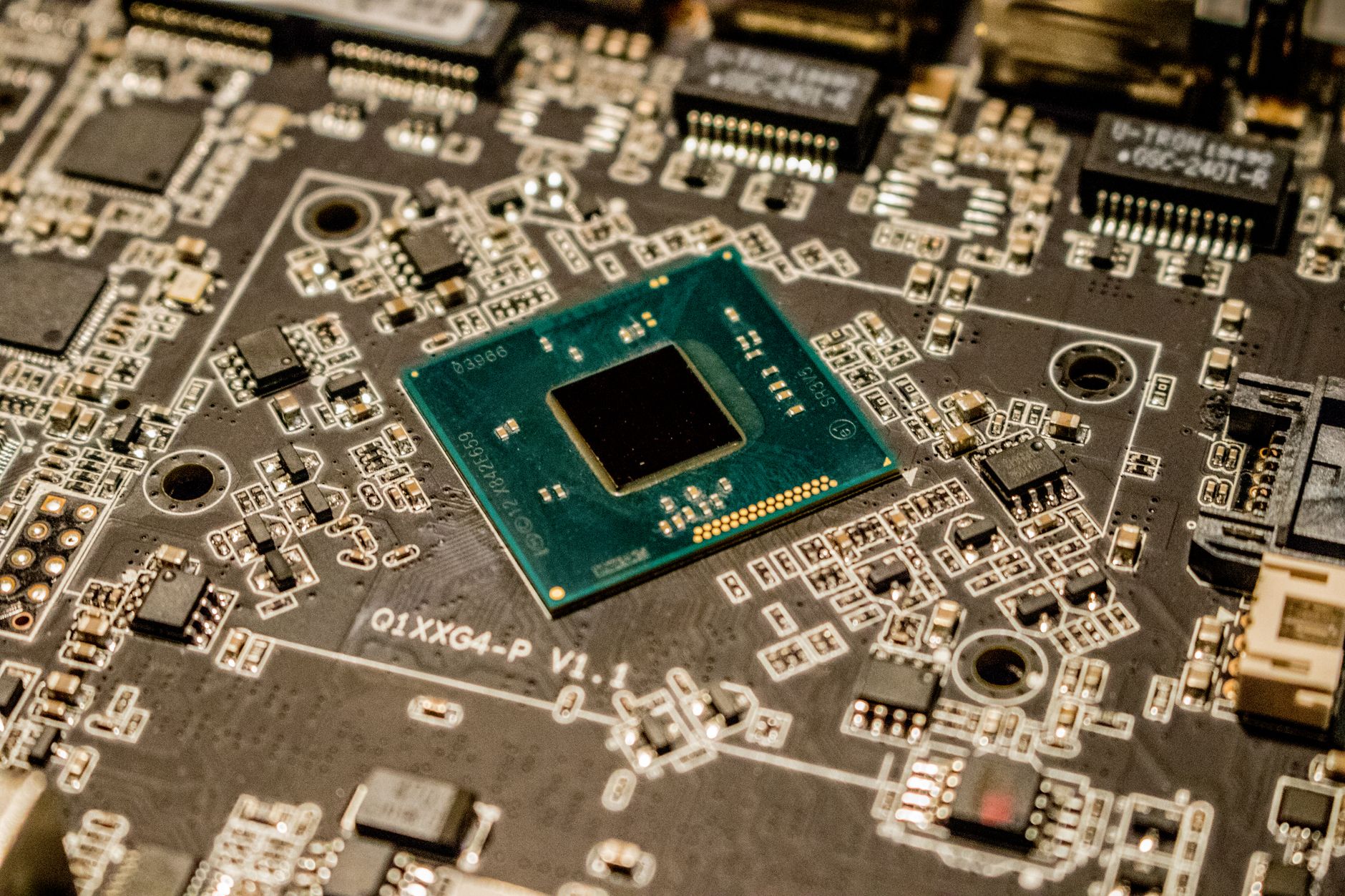
A Licensing Model Under Pressure
Arm’s royalty rates are structurally modest. The company typically earns a small percentage of each chip’s selling price, which sounds clean until you consider the scale of margin compression happening across the semiconductor industry. As chip prices fluctuate and customers push for volume discounts, the per-unit economics of Arm’s business can shift significantly without any change in unit volume. Revenue growth requires either more chips sold or higher royalty rates – and neither is easy to force.
The deeper problem is concentration risk. A handful of major customers – smartphone manufacturers, cloud providers, and a small group of automotive and IoT chipmakers – account for a disproportionate share of Arm’s licensing and royalty income. When any one of those customers delays a product cycle, renegotiates contract terms, or starts exploring alternative architectures like RISC-V, the impact on Arm’s financials is immediate and visible. The company disclosed this dynamic in its regulatory filings, and it has not gotten more comfortable with time.
Royalty revenue is also inherently backward-looking. Arm gets paid when chips ship, not when they are designed. That means a surge in Arm-based chip designs today will not show up meaningfully in royalty income for two to four years. In a market where AI hardware cycles are compressing rapidly and spending decisions are being made at speed, waiting years to monetize today’s design wins is a strategic liability.
The competitive threat from RISC-V deserves more than a passing mention. The open-source instruction set architecture has moved well past the hobbyist phase. Major technology companies are actively funding RISC-V development for specific workloads, and some are building production chips on it. Arm cannot license what it does not own, and RISC-V costs customers nothing in architecture fees. That pressure is real and structural, not theoretical.

The Custom Silicon Opportunity Arm Cannot Ignore
Custom chip design has become the defining competitive move in high-stakes computing. Apple’s transition to its own silicon showed the industry what was possible – better performance, tighter integration, and freedom from the product roadmaps of third-party chipmakers. Amazon, Google, and Microsoft followed with their own data center silicon. The common thread is control: control over power envelopes, feature prioritization, and supply chain timing. Arm has been the architecture underneath many of these projects, but the value capture has gone almost entirely to the companies doing the design work, not to Arm itself.
Arm is now exploring whether it can move closer to that design layer. The strategy being discussed internally and signaled publicly involves Arm offering more complete chip designs – not just instruction set architectures or processor IP blocks, but more finished subsystems or even reference designs that customers can take closer to production with less internal engineering effort. For fabless companies and smaller cloud providers that want custom silicon but lack the thousands of chip engineers that Apple or Google employ, that offer could be genuinely attractive.
This is not a clean strategic pivot. Arm’s existing customers – Qualcomm, MediaTek, Samsung’s semiconductor division, and others – have their own design teams and their own business models built on top of Arm’s IP. If Arm starts competing at the design layer, it risks antagonizing the very licensees that generate its current royalty stream. That tension surfaced publicly in Arm’s dispute with Qualcomm, which centered partly on what Arm-derived designs Qualcomm was permitted to use after its acquisition of Nuvia. The legal battle exposed how complicated the relationship between Arm and its licensees has become.
There is a version of the custom chip push that avoids direct competition with big licensees: targeting customers who are not currently buying from those licensees at all. Startups building AI accelerators, defense contractors designing specialized processors, industrial companies moving into edge computing – these are markets where Arm could offer more complete design services without stepping directly on Qualcomm or MediaTek’s revenue. Whether that market is large enough to move the needle for a company of Arm’s scale is a different question.
Arm’s CEO Rene Haas has spoken publicly about the company’s interest in capturing more value from the AI chip wave. The framing has been careful – Arm wants to be deeper in the stack, not necessarily a chip manufacturer – but the direction is clear. The company filed a significant expansion in its engineering headcount in design-adjacent roles, and its acquisition activity has tilted toward companies that add design capability rather than pure IP portfolio expansion. The strategy is taking shape even if the public narrative has stayed deliberately vague. As Nvidia’s data center dominance faces its own stress tests, the appetite for alternative silicon strategies across the industry is only growing.
What Has to Work for This to Pay Off
Arm’s move up the value chain depends on a narrow set of conditions holding simultaneously. Customers willing to pay premium prices for more complete design services need to exist in sufficient numbers. Arm needs to execute on design delivery without the kind of delays that destroy trust in a business built on long-term engineering relationships. And the company needs to do all of this without triggering a RISC-V migration among licensees who feel threatened by a supplier becoming a competitor. That is a difficult sequence to manage, and semiconductor history is full of companies that tried to climb the stack and ended up with neither business intact.

The more immediate pressure is the stock market’s patience. Arm went public at a valuation that priced in an AI-driven royalty windfall, and that windfall has been slower to materialize than investors hoped. Custom chip services could be the story that buys time – or it could be the distraction that makes the core licensing business harder to defend while the company chases a market it has never actually competed in before.
Frequently Asked Questions
Why is Arm Holdings moving into custom chip design?
Arm’s royalty-based licensing model faces slowing growth, RISC-V competition, and concentration risk, pushing the company to capture more value by offering closer-to-production chip design services.
Does Arm’s custom chip push threaten its existing licensees like Qualcomm?
Potentially yes. If Arm competes at the design layer, it risks conflicting with licensees that built their own businesses on Arm IP, a tension already visible in Arm’s legal dispute with Qualcomm.