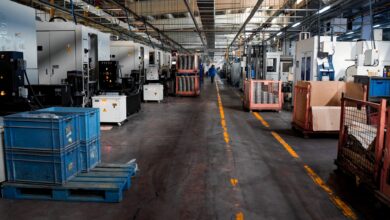


Apple has completed a years-long push to move final iPhone assembly out of China, with India now handling a substantial portion of production for devices sold in the United States. The shift, driven largely by tariff pressure and supply chain vulnerability exposed during the pandemic years, marks a concrete change in how the world’s most valuable consumer electronics company builds its flagship product.
The move did not happen overnight.
Apple has been quietly expanding its manufacturing footprint in India since the early 2020s, working primarily through its longtime contract partners Foxconn and Tata Electronics. What began as a hedge against geopolitical risk has now become operational reality – Indian factories are assembling iPhones destined for American consumers, and Apple is actively accelerating the pace of that transition rather than treating it as a temporary workaround.
Why India, and Why Now
The calculus behind this move is straightforward. U.S. tariffs on Chinese-manufactured goods have made the cost of keeping final assembly in China increasingly difficult to justify when competing on price at the premium end of the market. Apple does not compete on price in the traditional sense, but margin pressure is real, and a tariff surcharge baked into every unit shipped from Shenzhen adds up fast across tens of millions of devices per year.
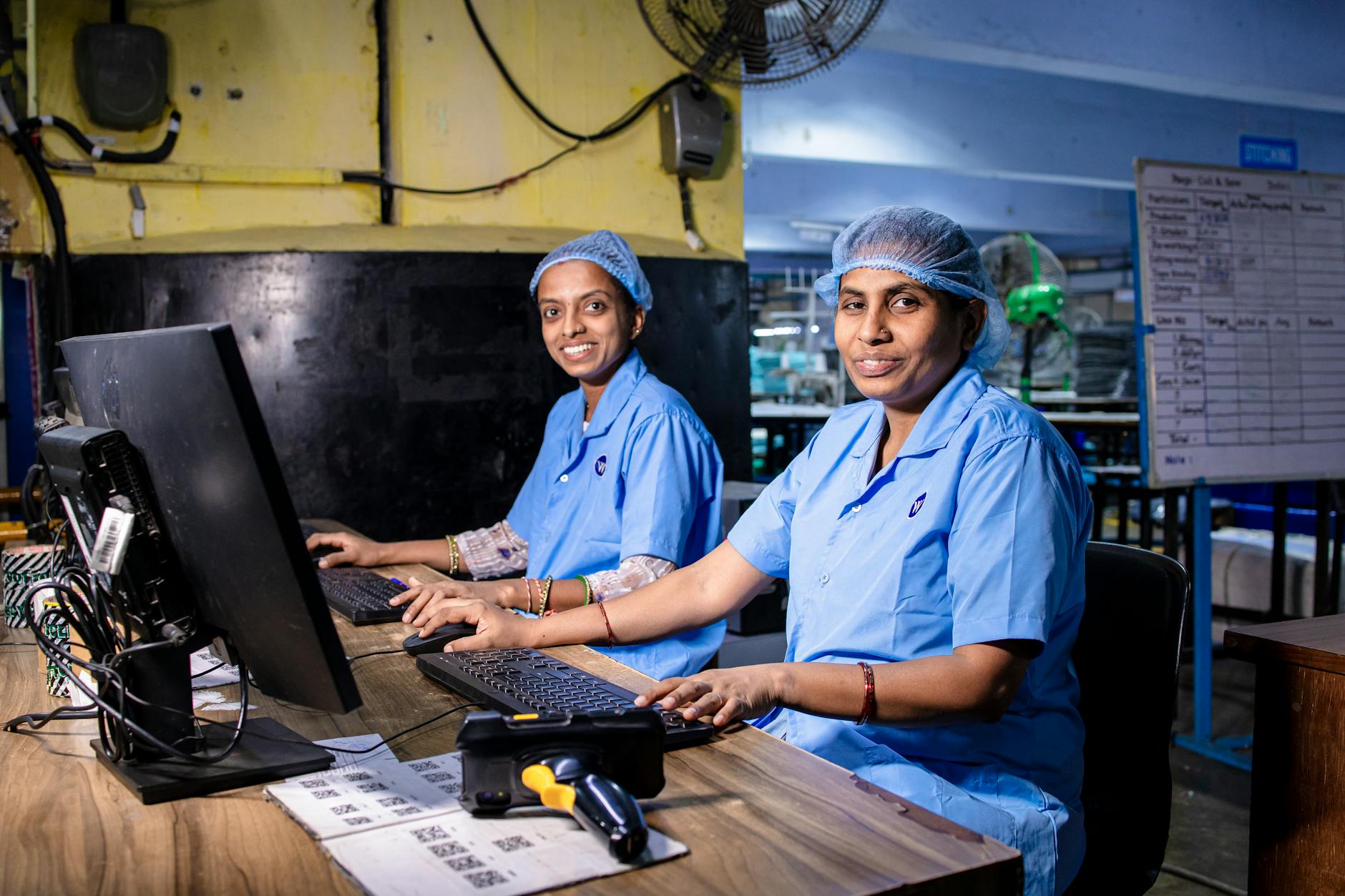
India also offers something China once did: a large, cost-competitive labor force and a government actively courting foreign manufacturing investment. The Indian government has offered production-linked incentive schemes specifically designed to attract electronics manufacturers, and Apple’s presence has helped pull its supplier network into the country as well. Over the past two years, component suppliers have been setting up or expanding facilities near assembly hubs in Tamil Nadu and Karnataka, replicating the kind of supplier clustering that made southern China so efficient for so long.
There are limits to the comparison, though. China’s manufacturing infrastructure, built over three decades, is still deeper and more integrated than anything India currently offers. Tooling precision, logistics speed, and workforce scale remain areas where India is catching up rather than matching. Apple is managing that gap by keeping the most complex manufacturing steps – chip production, display fabrication, advanced camera module assembly – in its existing Asian supply chain while shifting the final build and test stage, which is labor-intensive but less technically demanding, to Indian facilities.
What This Means for the Supply Chain
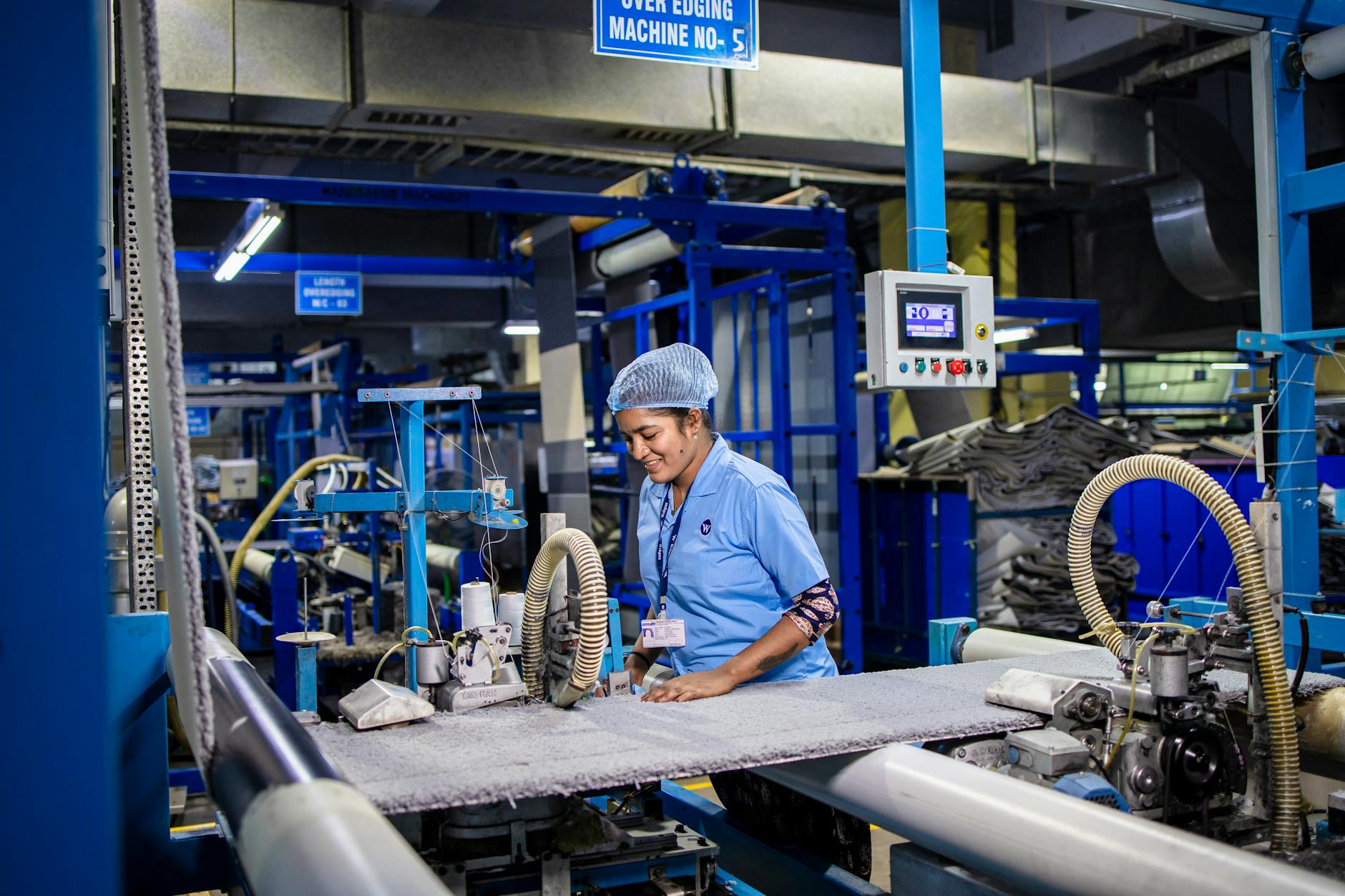
The implications run beyond Apple’s own operations. When a company of Apple’s purchasing power redirects final assembly, it pulls investment, talent, and secondary suppliers along with it. Electronics manufacturing clusters form around anchor customers, and Apple is about as anchor as it gets. Facility construction, logistics buildout, and workforce training in Tamil Nadu’s Sriperumbudur region – where Foxconn operates a major campus – have all accelerated in direct response to expanded iPhone contracts.
For the broader consumer electronics industry, Apple’s move is being watched carefully. If the world’s highest-volume premium smartphone maker can successfully relocate final assembly without visible quality degradation or delivery disruption, it validates India as a credible alternative manufacturing hub for complex hardware. Other brands with significant China exposure will draw their own conclusions from how Apple’s transition performs over the next product cycle or two.
The geopolitical dimension is unavoidable here. U.S.-China trade tensions have pushed companies across industries to diversify their manufacturing geography, a dynamic visible well beyond electronics. Apple’s India move is the highest-profile example of that trend playing out at scale, but it is not an isolated case.
What Changes for Consumers – And What Doesn’t
For the average iPhone buyer, the practical answer is: almost nothing changes. The device in the box will carry the same specs, the same software, the same warranty. “Assembled in India” is already appearing on packaging for units sold in several markets, and consumer response has been minimal – which is itself meaningful. The perception that Indian manufacturing implies lower quality is a holdover from an earlier era of the country’s industrial development, and Apple’s quality control standards apply regardless of where final assembly occurs.
Pricing is a different question. The tariff savings from Indian assembly do not automatically translate into lower retail prices – Apple has shown no indication it plans to pass manufacturing cost reductions to consumers in the near term. What the India shift potentially protects against is future price increases that would otherwise be forced by escalating tariff exposure. Buyers may not pay less, but they may avoid paying more.
The longer-term question – the one Apple has not publicly answered – is how far this relocation goes. Final assembly is one piece of the manufacturing chain. If Apple eventually moves more component production and not just final build to India, the strategic footprint changes considerably. For now, the company has moved the part of the process that was most exposed to tariff risk while keeping its most technically demanding work where the infrastructure already exists to support it. Whether that boundary holds through the next round of U.S. trade policy decisions is the unresolved tension sitting at the center of Apple’s supply chain strategy.
Frequently Asked Questions
Where are iPhones now assembled?
A growing share of iPhones sold in the U.S. are now finally assembled in India, primarily through Apple’s contract partners Foxconn and Tata Electronics.
Will iPhones made in India cost less?
Not immediately. Apple has not signaled plans to lower retail prices, but the India shift helps protect against future price hikes tied to U.S. tariffs on Chinese-made goods.