

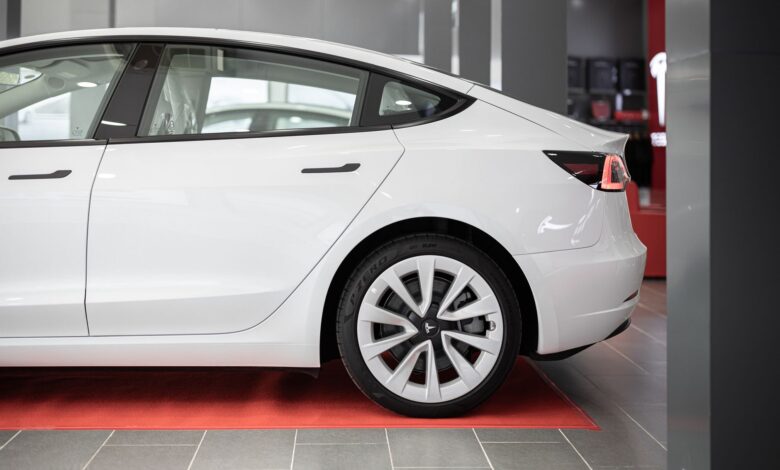
Xiaomi’s entry into the electric vehicle market was always going to be disruptive – but few anticipated how directly it would land on BYD’s most profitable turf. The SU7, Xiaomi’s debut EV, has sold faster than the company initially projected, and a follow-up lineup targeting lower price points is now forcing one of China’s most dominant automakers to defend ground it once considered untouchable.
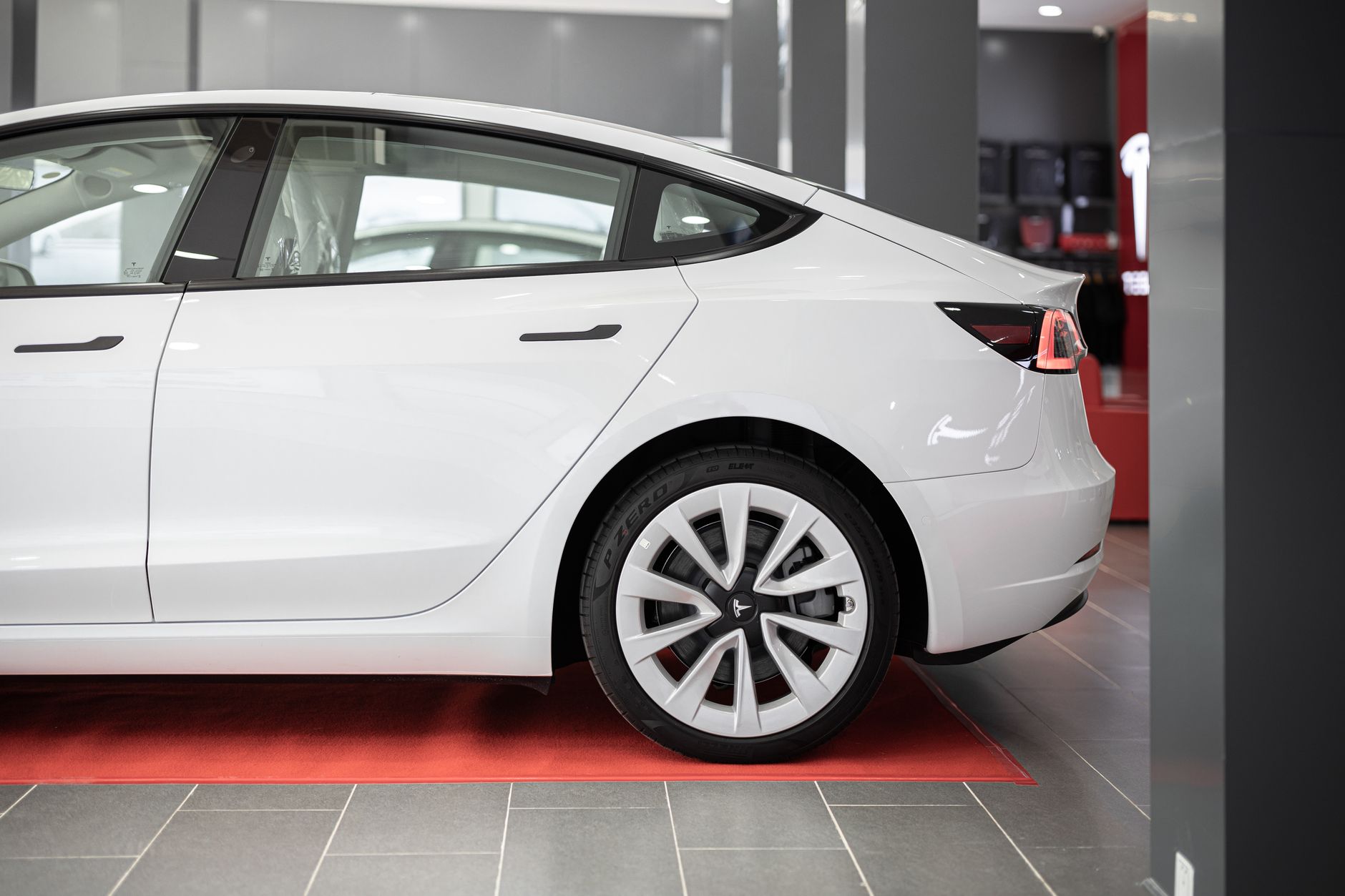
Xiaomi Moves Faster Than Expected
When Xiaomi founder Lei Jun unveiled the SU7 sedan in late 2023, skeptics framed it as a vanity project – a smartphone brand playing dress-up in a capital-heavy industry. Those skeptics have gone quiet. The SU7 generated hundreds of thousands of pre-orders within days of opening, and production has been ramping at a pace that surprised even Xiaomi’s own supply chain partners. For a first-generation vehicle from a consumer electronics company, that kind of commercial traction demands serious attention.
What makes Xiaomi’s push particularly threatening is its pricing architecture. The SU7 Standard edition launched at a price point that sits comfortably in BYD’s mid-range territory, and Xiaomi has made no secret of its intent to push further downmarket. The company’s manufacturing philosophy – borrowed directly from its smartphone playbook – prioritizes aggressive cost compression through vertical integration and software monetization, which means it can afford thinner margins on the hardware itself.
Xiaomi is also playing a different brand game than most new EV entrants. Its customer base is young, digitally native, and already locked into a Xiaomi device ecosystem that spans phones, tablets, smart home hardware, and wearables. Buying a Xiaomi car is, for many of those customers, an ecosystem decision as much as a vehicle purchase. That kind of built-in loyalty is something BYD, for all its scale, has never fully cultivated.
The company has also invested heavily in software capabilities – specifically in its advanced driver assistance systems and in-car operating environment. Early reviews of the SU7’s HyperOS integration have been notably positive, with testers flagging the cockpit experience as more intuitive than most competitors at similar price points. In a market where buyers increasingly treat the car’s software as a major purchase criterion, this is a structural advantage Xiaomi is actively widening.
BYD’s Budget Stronghold Under Strain
BYD built its global reputation on affordable EVs. The Seagull, priced at roughly 70,000 yuan, became a symbol of how far Chinese manufacturing could push the cost floor on battery-electric transport. For years, BYD’s ability to price competitors out of the entry-level segment was near-absolute – it controlled enough of its own battery supply chain through its FinDreams subsidiary to make it nearly impossible for rivals to match on cost. That structural moat is now being tested from multiple directions, and Xiaomi is among the most aggressive challengers.
BYD’s response has been to cut prices, repeatedly. Across several model lines, the company has reduced sticker prices to maintain volume and defend market share, a strategy that works in the short term but compresses margins in ways that are difficult to reverse. When a company with BYD’s scale starts discounting, it signals that competitive pressure is real – not just anticipated. The Chinese EV market has become a war of attrition, and every new credible entrant that targets the same sub-200,000 yuan sweet spot makes that war more expensive to fight.
There is also a perception problem quietly building around BYD’s brand positioning. The company spans an enormous price range – from the Seagull to the Yangwang U9 supercar – which creates a diffuse identity. Xiaomi, by contrast, enters the market with a singular, coherent brand story aimed squarely at aspirational tech-forward buyers. In consumer psychology, focused brands tend to win loyalty from younger buyers more reliably than conglomerate brands with wide portfolios. BYD has the scale and the engineering depth, but it does not have Xiaomi’s cultural resonance with the demographic that is buying its first or second car right now.
It is worth watching how BYD’s international expansion strategy interacts with this domestic pressure. The company has been directing significant capital toward building overseas manufacturing capacity – in Europe, Southeast Asia, and Latin America – partly to escape the hyper-competitive pricing environment at home. But if domestic margins deteriorate faster than international volumes grow, the timing of that pivot becomes financially precarious. Western automakers facing their own EV recalibrations may find that BYD is simultaneously more aggressive abroad and more distracted at home.
Meanwhile, Xiaomi’s ambitions are not standing still. The company has confirmed development of additional models, including what is expected to be a more affordable vehicle positioned to compete directly with BYD’s most volume-critical price tier. If Xiaomi can replicate the SU7’s launch momentum at a lower price point – and maintain the software experience that has differentiated it so far – BYD faces the prospect of defending its most important segment against a rival with a lower customer acquisition cost and a pre-existing fan base of tens of millions.
What the Pressure Reveals About the Market

China’s EV market is not simply growing – it is consolidating around a smaller number of technologically sophisticated competitors who can sustain losses in pursuit of long-term positioning. The brands that survive this phase will be those that combine hardware cost efficiency with software stickiness, and that is precisely the battleground Xiaomi has chosen to fight on. BYD’s advantage in battery manufacturing remains real and difficult to replicate quickly, but manufacturing advantage alone does not determine brand allegiance.
The question hanging over BYD’s next strategic move is whether it responds to Xiaomi’s tech-forward positioning by accelerating its own software development, or doubles down on the cost and distribution advantages it knows best. Both paths carry risk. Building a software-native brand culture inside a company that grew up as a battery manufacturer is slower and harder than it looks from the outside, and Xiaomi’s head start on the cockpit experience may be larger than BYD’s current product roadmap acknowledges.
Frequently Asked Questions
How is Xiaomi competing with BYD in the EV market?
Xiaomi is targeting similar price tiers with its SU7 sedan, using a built-in device ecosystem and strong software integration to attract younger buyers away from BYD’s core segment.
Is BYD losing market share to Xiaomi?
BYD has responded with repeated price cuts across several models, which signals growing competitive pressure even if its overall sales volumes remain high.