


The Quiet War on Your Grocery Shelf
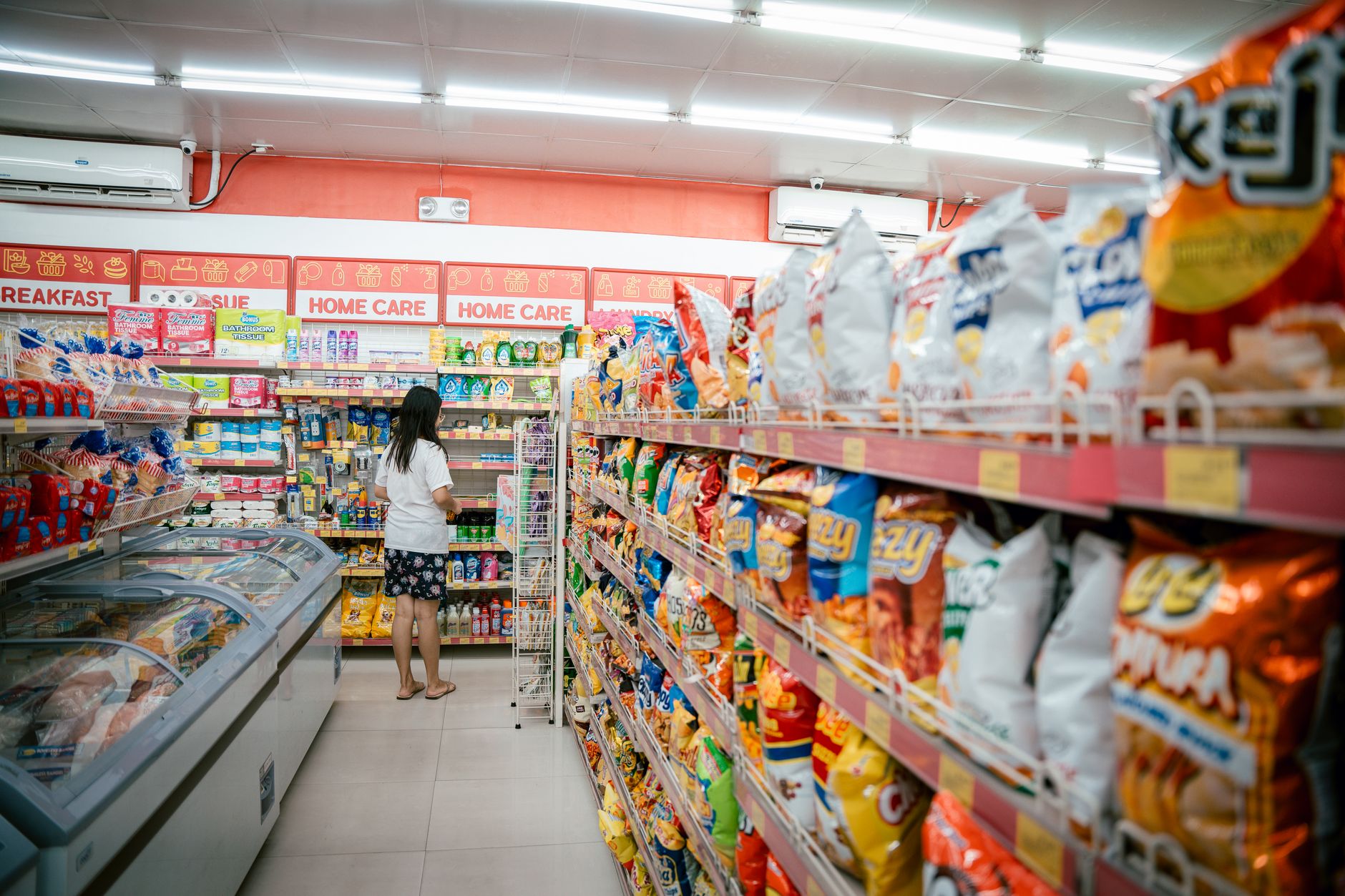
Private label groceries used to carry a stigma – the generic, no-frills option you bought when money was tight. That reputation is gone. Walmart and Target have spent years building store-brand portfolios that compete directly with national brands on quality, packaging, and shelf placement. The result is a category fight that plays out every time a shopper decides whether to reach for the name-brand cereal box or the one sitting right next to it for a dollar less.
Both retailers have made private label a strategic priority, not just a margin play. Walmart’s Great Value line has been around for decades, but the company has layered in newer brands like Bettergoods to target quality-conscious consumers who might otherwise shop at Trader Joe’s or Whole Foods. Target’s Good & Gather food brand, launched in 2019, pushed aggressively into fresh, organic, and specialty categories. The competition between these two retail giants now extends well beyond price – it’s about brand identity, customer loyalty, and who gets to own the pantry.

Walmart’s Scale Advantage and Its Limits
Walmart’s private label strength starts with raw scale. With roughly 4,600 stores in the United States and a supply chain built around volume efficiency, the company can source, produce, and distribute store-brand products at costs that are difficult for any competitor to match. Great Value covers staples across virtually every grocery aisle – from canned goods to frozen meals to dairy – and the brand recognition is now strong enough that many shoppers actively seek it out rather than treating it as a fallback option.
The Bettergoods launch in 2024 signaled that Walmart isn’t content to own just the budget end of private label. Bettergoods positions itself around ingredients, dietary preferences, and elevated flavor profiles – the kind of language that used to belong exclusively to premium grocery chains. The brand rolled out across roughly 300 products at launch, covering categories like snacks, frozen food, and beverages. That move was a direct signal to Target: Walmart intends to compete for the shoppers who care about what’s in the product, not just what it costs.
Target’s Good & Gather Gamble
Target took a different bet. Rather than building a sprawling private label empire across every price tier, Good & Gather concentrated on fresh, organic, and better-for-you positioning from the start. The brand grew to over 2,000 products within a few years of launch and became one of Target’s top-selling owned brands overall. That speed of expansion reflected a calculated read on where grocery shopping was heading – toward ingredient transparency, cleaner labels, and food that fits specific lifestyle choices.
What makes Good & Gather particularly effective is how Target integrated it with its broader store experience. Target’s grocery sections are smaller than Walmart’s, but the merchandising is deliberate. Good & Gather products get prominent placement alongside curated national brands, and the visual design of the line – clean packaging, consistent color coding, photography-forward labels – feels more like a specialty food brand than a store generic. That aesthetic choice matters because it frames the purchase differently in the shopper’s mind.
Target also built its private label grocery strategy alongside its loyalty ecosystem. Target Circle members get personalized offers on Good & Gather products, which turns repeat purchases into a data loop. Each transaction tells Target more about that customer’s food preferences, dietary habits, and spending patterns. Over time, that data sharpens the product development pipeline – Target can see which Good & Gather items are converting first-time buyers into regulars and which are sitting on shelves without repeat purchases.
The challenge for Target is that its grocery footprint is fundamentally smaller. A full weekly grocery shop at Target is possible in theory but awkward in practice – the store layout prioritizes apparel, home goods, and seasonal items, with grocery as a complement rather than the core destination. That limits how deeply Good & Gather can anchor a customer’s weekly routine compared to a Walmart Supercenter where the grocery section alone can occupy tens of thousands of square feet.
Margin Math and Why This Battle Won’t Stop
Private label margins run significantly higher than margins on national brand products. When a retailer sells a national brand, a large portion of the shelf price goes back to the manufacturer for production, marketing, and distribution. When a retailer sells its own brand, it controls far more of that economics. This is why Walmart and Target – and nearly every major grocery player – keep expanding their store-brand portfolios even when national brands push back with promotions or pricing pressure.
National brand manufacturers have noticed. Several major consumer packaged goods companies have publicly acknowledged in earnings calls that private label competition is intensifying across categories where they once had comfortable market share. The response from brands like General Mills, Conagra, and others has been to lean harder into marketing, launch premium sub-brands, or cut prices selectively – but none of those moves fully neutralizes the structural cost advantage that Walmart and Target hold when selling their own products.
The Consumer in the Middle
Shoppers are making this competition more intense by becoming less brand-loyal than previous generations. Younger consumers in particular show a willingness to try private label products without the hesitation that once defined store-brand shopping. When a product delivers on taste, convenience, and price, the name on the label matters less than it used to. Both Walmart and Target are counting on this behavioral shift to keep their private label sales growing even as the broader grocery market stays competitive.
The stakes extend beyond grocery dollars. A shopper who builds their pantry around Good & Gather or Bettergoods is also more likely to see that retailer as their default destination for other purchases. Private label grocery becomes a loyalty mechanism with effects that ripple across the entire store. That’s the logic driving both companies to keep investing in new products, better packaging, and broader category coverage – even in a slow-growth grocery environment where every new item has to justify its shelf space.
Where the Competition Goes Next
Both retailers are looking at white space in specialty and international food categories, areas where national brands are thinner on the ground and consumer curiosity is high. Globally inspired flavors, functional ingredients, and dietary-specific lines represent the next round of private label expansion. Target has already tested this with Good & Gather items that lean into Mediterranean, Asian-inspired, and plant-based profiles. Walmart’s Bettergoods is moving in a similar direction with snack and beverage SKUs that carry premium flavor positioning.
Online grocery complicates the picture. When shopping happens through an app or website, shelf placement loses some of its power and algorithmic search results take over. A shopper searching “organic pasta sauce” on Walmart.com or Target.com may or may not see the store brand at the top of results depending on how each company manages its search and sponsored listing systems. Both retailers have financial incentives to surface their private label products prominently in digital grocery, but the execution is still inconsistent.
The most direct test of this rivalry will come in categories where both retailers have recently made aggressive private label moves – snacks, beverages, and refrigerated fresh foods. These are high-frequency, high-margin categories where shopper habits are easiest to reshape. If Bettergoods can win a snack shopper away from a national brand, that’s recurring revenue locked in. If Good & Gather keeps that same shopper loyal to Target for weekly fresh produce runs, the math looks completely different. Both companies are chasing the same consumer with very different store formats, and neither has yet proven it can fully close the gap the other has opened.