

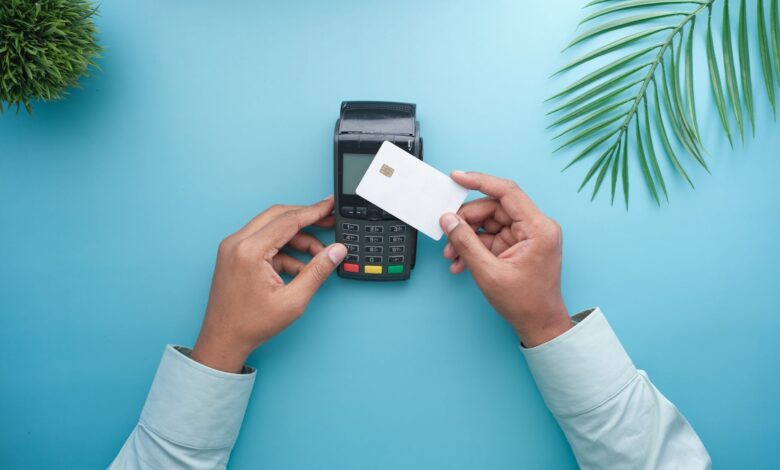
The Tap That Keeps Taking
Contactless payment was supposed to be a convenience feature. It became a chokehold. Visa’s tap-to-pay infrastructure has quietly extended its reach into the small and mid-sized merchant segment that Square built its entire identity around – the food trucks, boutiques, barbershops, and pop-up vendors who once saw Square’s flat-rate model as liberation from the old card network gatekeepers. Now those same merchants are finding that the gatekeeper never left. It just got faster.
The mechanism is straightforward. As tap-to-pay volumes climb, merchants who process primarily through Visa-network cards are generating more transaction data, more interchange activity, and more dependency on Visa’s rails – regardless of which payment terminal or software layer sits on top. Square is often that software layer. But the economic gravity still flows upward to Visa. That distinction matters more now than it did when card swipes were slower and less frequent.
Square’s Structural Problem With Tap Growth
Square made its name by removing friction. A small merchant could sign up, plug in a card reader, and start accepting payments within a day. The pitch was simplicity, and for years it worked. But the very frictionlessness that Square sold has made its merchant base increasingly easy to move through – not just for Square, but for the card networks running underneath it. Every tap on a Square terminal is also a Visa transaction, an Amex transaction, a Mastercard transaction. Square earns its margin on top. Visa earns its margin on everything.
The deeper issue is that tap-to-pay accelerates transaction volume in a way that traditional swipes never did. Consumers move faster through checkout. Impulse purchases increase. Repeat visits to the same vendor generate more card touches per month than they did two years ago. All of that volume amplifies the network effect that Visa already holds. For Square, higher transaction volume means more gross payment volume to report – which looks good in earnings. But the merchant economics underneath that volume are increasingly shaped by Visa’s interchange structure, not Square’s pricing model.
Square’s flat-rate pricing – typically a fixed percentage per transaction – was designed to be predictable for merchants who didn’t want to parse interchange schedules. The irony is that flat-rate simplicity shields merchants from seeing how much of their payment cost is actually Visa’s cut dressed up in Square’s branding. As tap volumes grow, so does that invisible toll. A coffee shop doing forty contactless transactions a day is generating a different volume of network fees than one doing fifteen, and Square’s flat rate absorbs the variance in a way that keeps merchants comfortable but financially opaque.
This opacity is exactly where Visa wins without having to compete directly. It doesn’t need to poach Square’s merchants. It just needs those merchants to keep tapping.
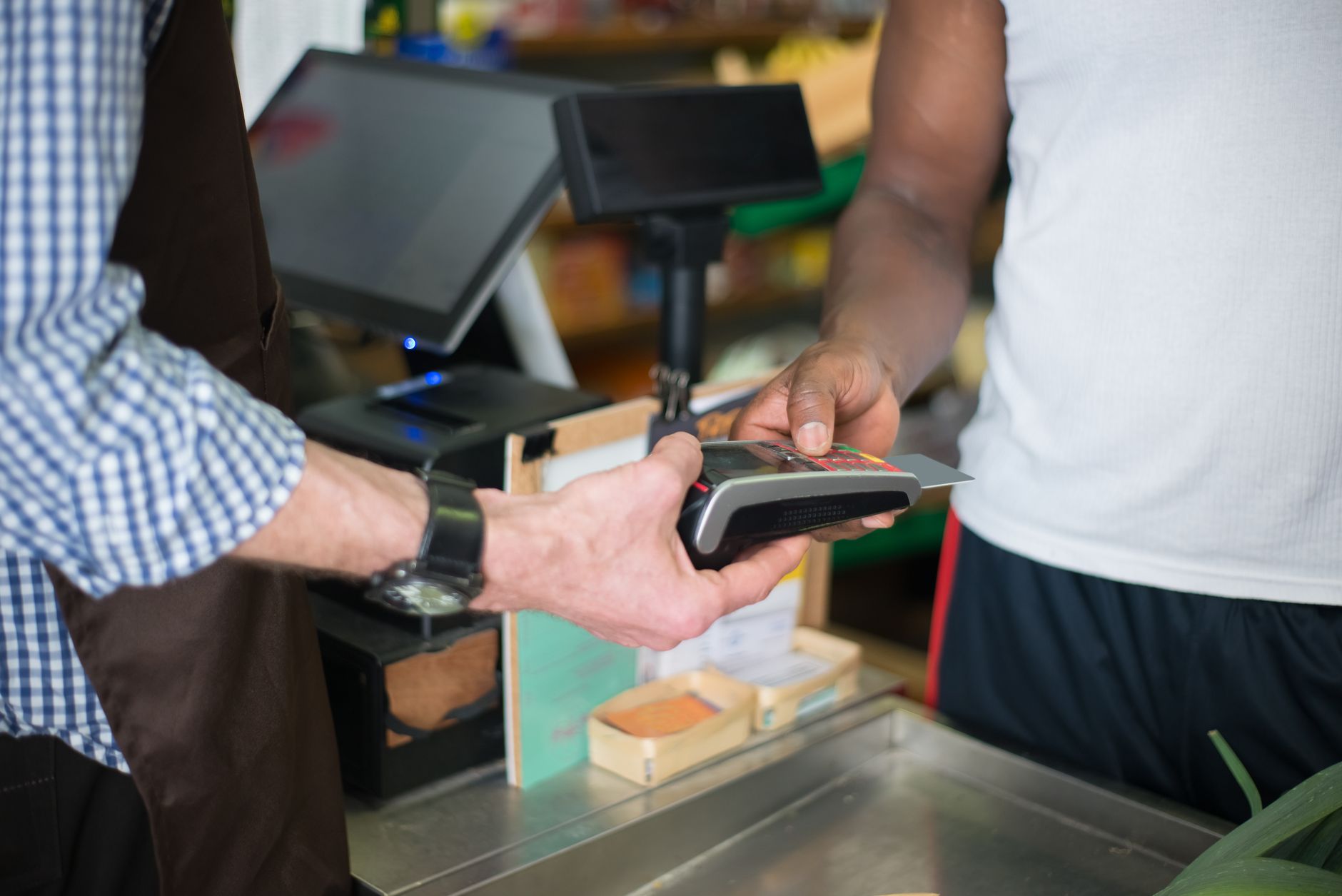
How Visa Built a Floor Under Every Fintech
Visa’s position in the payment stack is architectural. It doesn’t own the terminal, the software, or the merchant relationship in most cases. What it owns is the network that makes the transaction valid – the authorization, the clearing, the settlement. Fintechs like Square, Stripe, Toast, and Clover built elegant products on top of that foundation. But building on top of someone else’s foundation means that foundation-owner benefits from every improvement you make. Every new Square feature that drives more merchant adoption also drives more Visa volume.
Visa has reinforced this position through its contactless push by investing heavily in the consumer-side adoption curve. Tap-to-pay only works when both sides of the transaction are ready – the merchant terminal and the consumer card or device. Visa’s long-running effort to issue contactless-enabled cards and push banks to activate NFC on existing cards means the consumer side of the equation is increasingly solved. Merchants who don’t accept tap now face a different kind of friction: the customer who sighs, checks their wallet, and sometimes walks.
What This Means for Square’s Merchant Stickiness
Square’s real asset has always been its software ecosystem – inventory tools, payroll, loyalty programs, and the seller dashboard that keeps merchants inside the Square environment even when they could theoretically switch payment processors. That stickiness is real, and it isn’t going away quickly. But it faces a gradual erosion as competitors who also run on Visa rails offer similar software bundles with lower payment margins.
The competitive threat isn’t that merchants will mass-defect from Square tomorrow. The threat is that Square’s value proposition – convenience plus flat-rate simplicity – stops being differentiated when every payment terminal in a merchant’s category offers the same tap-enabled experience. A boutique owner choosing between Square, Clover, and Toast is increasingly making a software decision, not a payment decision. And Visa collects regardless of which software wins.
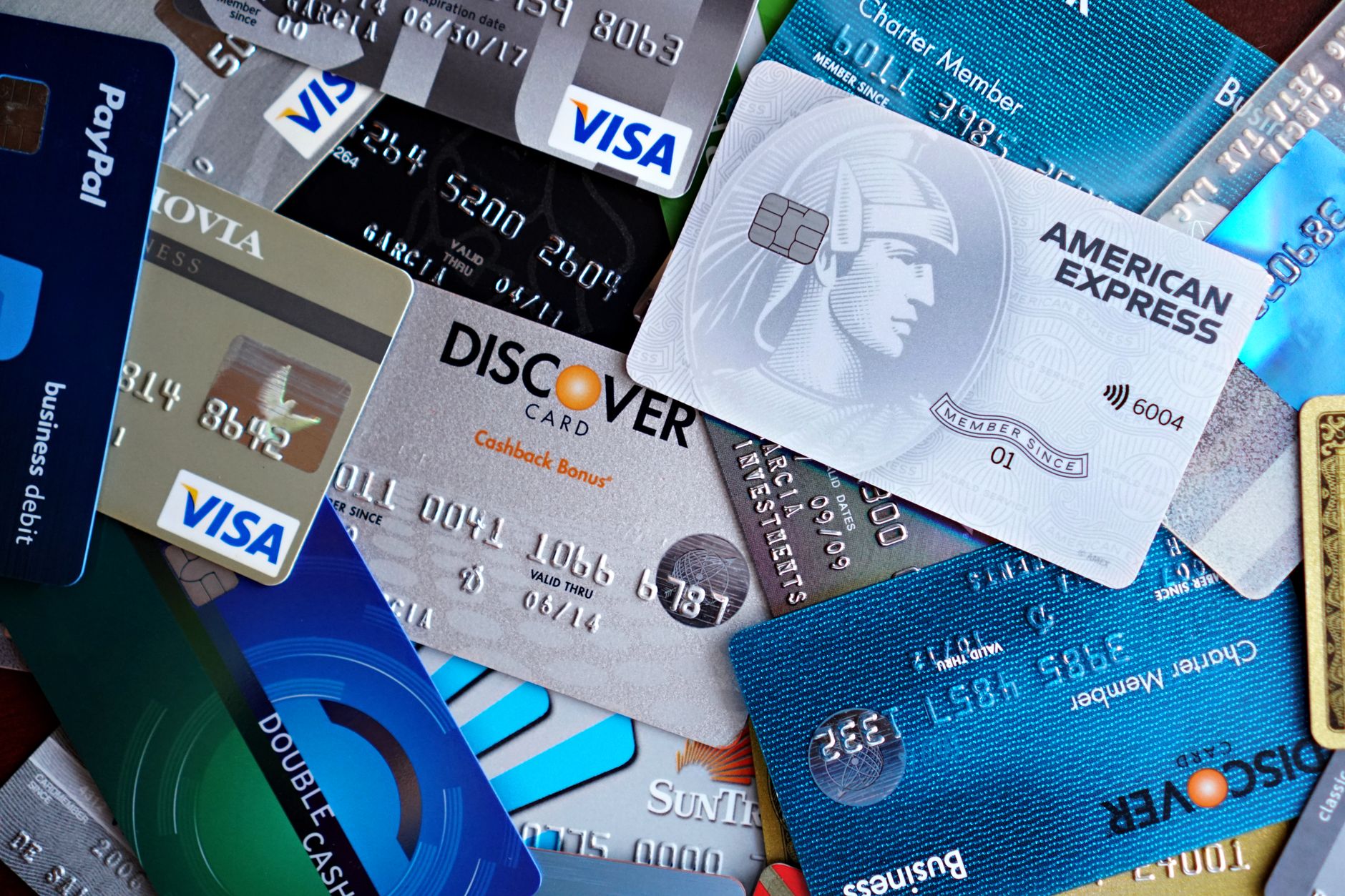
Square’s parent company, Block, has responded by pushing deeper into financial services – business banking, loans, and the Cash App ecosystem – to build revenue streams that don’t depend on payment margins. That diversification makes strategic sense, but it also signals an implicit acknowledgment that the payment processing layer alone is not a defensible moat when your infrastructure provider is also your most powerful silent partner.
The merchants who built their businesses on Square’s promise of simplicity are not going anywhere soon. But the economics of their daily tap activity quietly compound in Visa’s favor with every transaction – and the gap between who processes the payment and who profits most from the processing keeps widening. Square charges the merchant. Visa charges the system. And the system processes every tap.
Frequently Asked Questions
Does Square compete directly with Visa?
No – Square operates on top of Visa’s network. Every transaction Square processes still runs through Visa’s rails, meaning Visa earns interchange fees regardless of Square’s involvement.
Why does tap-to-pay benefit Visa more than Square?
Higher tap-to-pay volumes mean more transactions running through Visa’s network, increasing interchange revenue. Square earns a margin on top, but Visa’s structural position captures value from every tap across all fintech platforms.