
A Big Launch, and a Bigger Legal Maze
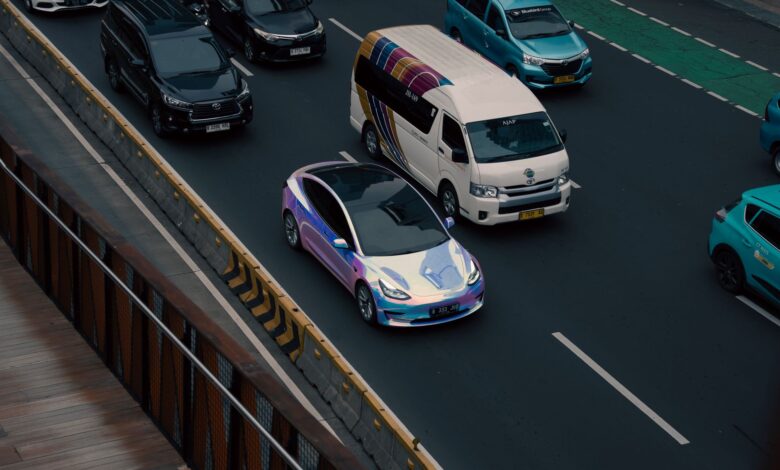
Tesla’s robotaxi ambitions have moved from concept videos and keynote promises into actual streets – but the path forward is running directly into a wall of municipal codes, state licensing requirements, and federal gray zones that no amount of software updates can fix overnight. The company launched its first paid robotaxi service in Austin, Texas, in June 2025, using a geofenced fleet of Model Y vehicles operating without a driver behind the wheel. By most accounts, the initial rides worked. The problem is that Austin is one of the few U.S. cities where Tesla could legally run that service at all.
California, Nevada, Arizona, and Texas have each built their own frameworks for autonomous vehicle testing and commercial deployment – and those frameworks vary so dramatically that a vehicle cleared to carry paying passengers in one state may be operating in a legal void two hundred miles away. Tesla’s national expansion plan collides with this patchwork at nearly every turn.
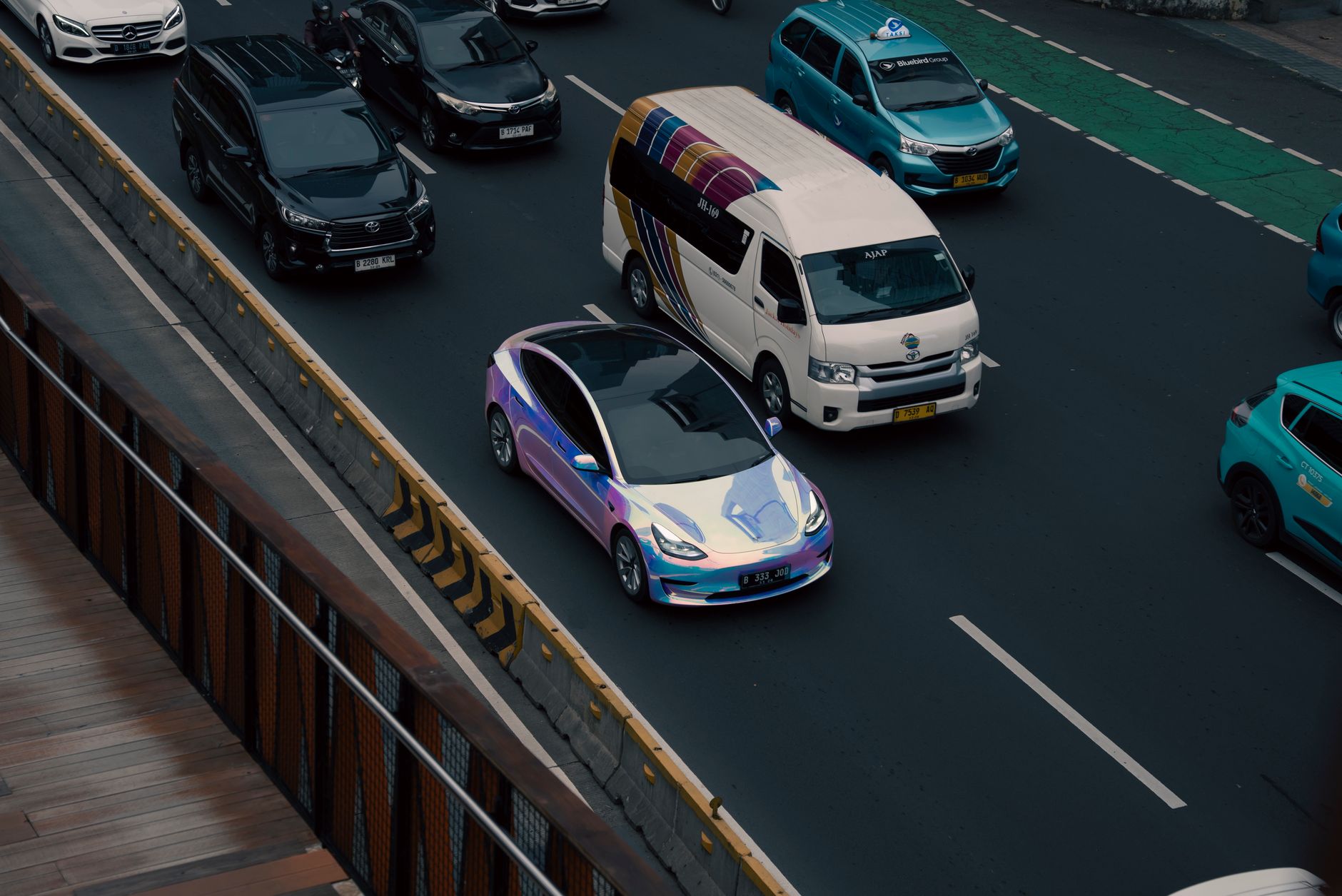
Why Austin Was the Easy Part
Texas does not require a state-issued permit to operate a driverless commercial vehicle. That regulatory openness is exactly why Tesla chose Austin as its launch city. The company spent months geofencing specific corridors, training its Full Self-Driving system on local road conditions, and quietly coordinating with city officials before a single passenger ever booked a ride. That groundwork paid off. But replicating that process in cities with active regulatory agencies – and residents who vote on transportation policy – is a different challenge entirely.
San Francisco is the clearest example of how quickly the environment changes. California requires companies to hold both a testing permit and a separate driverless deployment permit issued by the Department of Motor Vehicles. Waymo holds those permits. Tesla does not. The company has not submitted a formal application for driverless commercial operation in California as of mid-2025, and state officials have confirmed they have received no such filing. Without that permit, Tesla cannot legally charge passengers for rides in the state, regardless of how capable the underlying technology proves to be.
City by City, the Walls Look Different
Chicago presents a separate kind of friction. The city requires a Transportation Network Company license for any ride-hailing operation and has additional requirements for vehicles carrying passengers without a licensed driver physically present. City ordinances written in the pre-autonomous era create legal ambiguity that municipal lawyers are still working through. Tesla has not announced any formal engagement with Chicago city regulators, and local officials have given no indication a framework is being developed on their end either.
New York adds another layer. The Taxi and Limousine Commission controls commercial passenger vehicle licensing in the five boroughs, and the TLC’s current rules have no category for a fully driverless for-hire vehicle. Legislative change at the state level would likely need to come before TLC rulemaking could follow – a process measured in years, not quarters. New York’s density and mixed-traffic complexity also make it a harder technical environment than the wide, well-mapped streets of Austin.
Phoenix is closer to Tesla’s reach. Arizona has historically welcomed autonomous vehicle pilots, and Waymo already operates a full commercial robotaxi service there without safety drivers. But Waymo spent years in a supervised testing phase in Phoenix before removing the human backup driver. Tesla is entering this environment without a comparable public testing history in Arizona, which raises questions about whether the state would grant full commercial clearance on a compressed timeline even if Tesla applied today.
Seattle, Boston, and Miami each carry their own wrinkles – weather liability questions, union pressure from local transit workers, and insurance requirements that no insurer has fully standardized for driverless commercial vehicles. Tesla’s insurance model for the robotaxi service is not publicly detailed, and the lack of clarity makes city-level negotiations harder to advance. A city attorney approving a new transportation category needs to know who is liable when something goes wrong.
The Federal Framework That Isn’t There Yet
Congress has repeatedly tried and failed to pass a national autonomous vehicle framework that would create uniform rules and prevent states from blocking deployment outright. The most recent serious attempt stalled in 2023. Without federal preemption, every city and state retains authority over its own roads, which means Tesla’s legal team is fighting fifty different battles simultaneously rather than one coordinated regulatory campaign.
The National Highway Traffic Safety Administration has authority over vehicle safety standards but not over commercial transportation licensing. That gap means NHTSA can investigate a crash involving a Tesla robotaxi – and has opened several inquiries into Full Self-Driving incidents already – but cannot clear the vehicle for commercial operation in any jurisdiction. The regulatory ceiling is lower than Tesla’s expansion timeline assumes.
What Tesla Is Actually Up Against
Waymo’s experience is instructive. The Alphabet-owned company has been operating in some form on public roads since 2009 and spent roughly a decade in supervised testing before removing safety drivers from commercial rides. It operates in a small number of cities, not nationwide, and still faces restrictions in each market. Tesla is attempting to compress that timeline dramatically – and doing so with a technology stack that relies on camera-only perception rather than the lidar-and-radar combination that most regulators have grown accustomed to seeing in approved autonomous systems.
That technical distinction matters in regulatory conversations. When a city transportation official or a state DMV examiner reviews a safety case for a driverless vehicle, they are looking at redundancy – how many independent systems confirm a pedestrian is in the road before the car stops. Camera-only systems carry higher scrutiny because the failure modes are less understood in adversarial conditions like heavy rain, direct sun glare, or faded lane markings. Tesla’s argument is that its neural net outperforms sensor fusion at scale. Regulators’ counter-argument is that they need more data before they can verify that claim on behalf of the public.
Tesla has roughly a dozen U.S. cities on its internal expansion list for the robotaxi service, according to reporting from multiple outlets covering the company’s June 2025 announcements. The legal groundwork required to actually operate in even half of those cities – permits, insurance filings, liability frameworks, city council approvals in some cases – represents a multi-year effort running in parallel with the engineering work. Elon Musk has suggested the fleet could reach tens of thousands of vehicles by the end of 2026. Whether the regulatory environment will allow those vehicles to carry paying passengers outside Texas by then is an entirely open question.