

When the Servers Go Dark
Sony’s PlayStation Network went down for an extended period, locking millions of players out of games they had already paid for, disrupting online multiplayer sessions, and blocking access to digital libraries that exist only in the cloud. The outage was not a minor hiccup – it stretched across hours, affected users across multiple continents, and triggered a wave of frustrated posts on social media from players who had no alternative way to access their own content. For a platform that now processes billions of dollars in annual digital sales, the failure was a stark reminder of how fragile the infrastructure behind modern gaming actually is.
What made this outage particularly pointed was the timing. Gaming has moved decisively away from physical media over the past decade, with Sony itself aggressively pushing digital purchases, subscription services like PlayStation Plus, and cloud streaming features. That commercial strategy has been enormously profitable. It has also created a situation where the moment a server goes down, paying customers lose access to products they nominally own. The gap between what consumers believe they are buying and what they are actually getting has rarely been so visible.

The Architecture of Dependency
Modern gaming platforms are not simply storefronts. They are authentication systems, social layers, licensing engines, and streaming pipelines all running simultaneously. When any part of that stack fails, the consequences ripple outward in ways that feel disproportionate to the original fault. A player who bought a single-player game digitally three years ago may find themselves unable to launch it because the platform cannot verify their license. That is not a hypothetical edge case – it happened during this outage, and it has happened during previous PSN failures as well. The design is deliberate: it prevents piracy and account sharing, but it also means the product you paid for is contingent on Sony’s servers staying online.
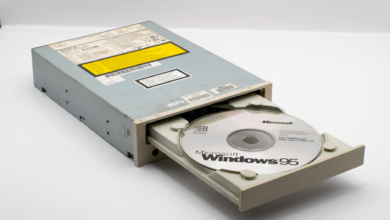
This dependency is baked into the economics of digital platforms. Sony earns a higher margin on digital sales than on physical discs because it eliminates manufacturing, shipping, and retail markup. PlayStation Plus subscriptions, which bundle game access with online play, generate recurring revenue that disc sales never could. The trade-off, from the consumer’s perspective, is that ownership becomes conditional. Physical media can be played offline indefinitely. A digital license, by contrast, is a permission slip that can effectively expire the moment the issuing server goes dark.
Subscription Models and the Illusion of Ownership
The PSN outage landed at a moment when Sony has been expanding PlayStation Plus into a tiered subscription service – offering game streaming, downloadable titles, and classic game catalogs at different price points. The pitch is access: more games for a monthly fee rather than a large upfront cost per title. The vulnerability that comes with that model is access that can be revoked – not just by Sony, but by any server failure, policy change, or licensing dispute with a game publisher.
Subscription gaming is not unique to Sony. Microsoft’s Xbox Game Pass operates on a similar premise, as do cloud-native services like Nvidia GeForce Now and Amazon Luna. What these platforms share is a complete dependence on persistent internet connectivity and stable server infrastructure. A console with a disc in the tray can run without an internet connection. A streaming session cannot. As more players migrate toward subscription access and cloud play, the blast radius of any outage grows proportionally larger.
The issue cuts deeper than convenience. When players spend years building a digital library on a platform – purchasing games, downloadable content, and in-game items – they are accumulating assets tied entirely to that platform’s continued operation and goodwill. Unlike a shelf of disc cases, that library cannot be moved, resold, or preserved independently. If Sony were to shut down the PlayStation Store for older consoles, as it briefly threatened to do with the PS3 and PS Vita stores before reversing course under public pressure, purchases made in good faith would simply cease to exist.
Some game publishers have begun pushing back against this model quietly, experimenting with offline-capable builds and extended license terms. But those remain exceptions. The dominant commercial logic still favors persistent connectivity because it gives platforms visibility into usage patterns, enables live-service content drops, and keeps players inside a walled ecosystem that is difficult to leave.

Sony’s Response and What It Reveals
Sony’s official communications during the outage followed a familiar pattern – acknowledgment on its official support channels, periodic status updates, and an eventual announcement that service had been restored. What the company did not offer was a detailed explanation of what caused the failure or a concrete timeline for when it happened. That opacity is standard practice in the industry, and it tells players very little about whether the underlying infrastructure is being meaningfully improved or whether the same failure is likely to recur.
In previous outages – including a major PSN breach in 2011 that exposed the data of roughly 77 million accounts and forced the network offline for 23 days – Sony faced significant regulatory scrutiny and consumer backlash. The company overhauled its security infrastructure afterward and paid out settlements in some markets. But structural improvements to security are different from improvements to uptime reliability, and the two are not always pursued with equal urgency. Uptime is invisible when it works and only becomes a story when it fails.
What the Industry Is Not Saying
The broader gaming industry has a financial incentive to normalize outages rather than treat them as evidence of a systemic design problem. Platform holders benefit from digital distribution and persistent connectivity. Game publishers benefit from live-service titles that require constant server access. Hardware manufacturers benefit from selling devices optimized for cloud play. The commercial interests of every major party in the supply chain point in the same direction, which means the push to make digital gaming more resilient to server failures is largely coming from consumer advocacy rather than from within the industry itself.
Regulatory pressure is beginning to build in some markets. The European Union and the UK have both opened conversations about digital consumer rights, including questions about what happens to purchased software when platforms shut down or change terms. The argument from consumer rights groups is straightforward: if a product is sold as a purchase rather than a rental, it should function as a purchase. Some game preservation communities have made the same case more loudly, documenting the growing list of digital games that have effectively ceased to exist because their servers were decommissioned and no offline patch was ever released.
Sony has not publicly committed to any policy changes in response to this latest outage. The PlayStation Network has been restored, the status page shows green, and most players have moved on. But the games that could not be launched during those hours were not free-to-play titles or experimental demos – they were full-price purchases made by customers who had every reason to expect they would work. The question of whether a digital purchase actually confers ownership, or merely rents access until the next server failure, has not been answered.
Until platform holders are legally required to provide offline functionality for purchased software, or until a prolonged outage causes enough financial and reputational damage to shift the commercial calculus, the architecture of dependency is not going anywhere. The next outage is not a matter of if.