

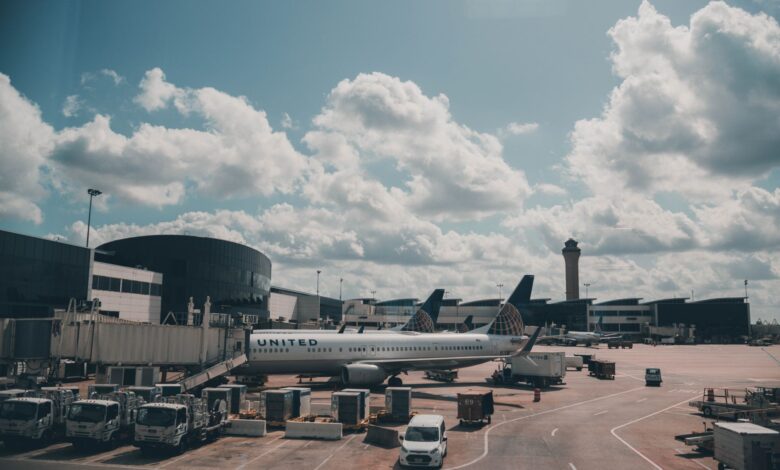
Ryanair Turns Up the Heat on Boeing
Ryanair is running out of patience. Europe’s largest low-cost carrier has been vocal for months about delivery delays from Boeing, but the tone from CEO Michael O’Leary has grown noticeably sharper – and the consequences for Ryanair’s growth plans are becoming harder to ignore. The airline ordered 210 Boeing 737 MAX 10 aircraft in 2023, a deal valued at roughly $40 billion at list prices, and it is not getting what it was promised on schedule.
The gap between what Boeing committed to deliver and what has actually arrived on Ryanair’s tarmac is now wide enough to force real operational decisions. Routes that were supposed to launch on new aircraft are being delayed, seat capacity growth is constrained, and Ryanair’s ability to capitalize on peak summer demand in Europe is directly tied to how fast Boeing can close that gap. O’Leary has publicly stated the airline expects to receive around 25 aircraft fewer than originally scheduled for the current year, a shortfall that is not trivial for a carrier whose entire model depends on high aircraft utilization and tight scheduling.
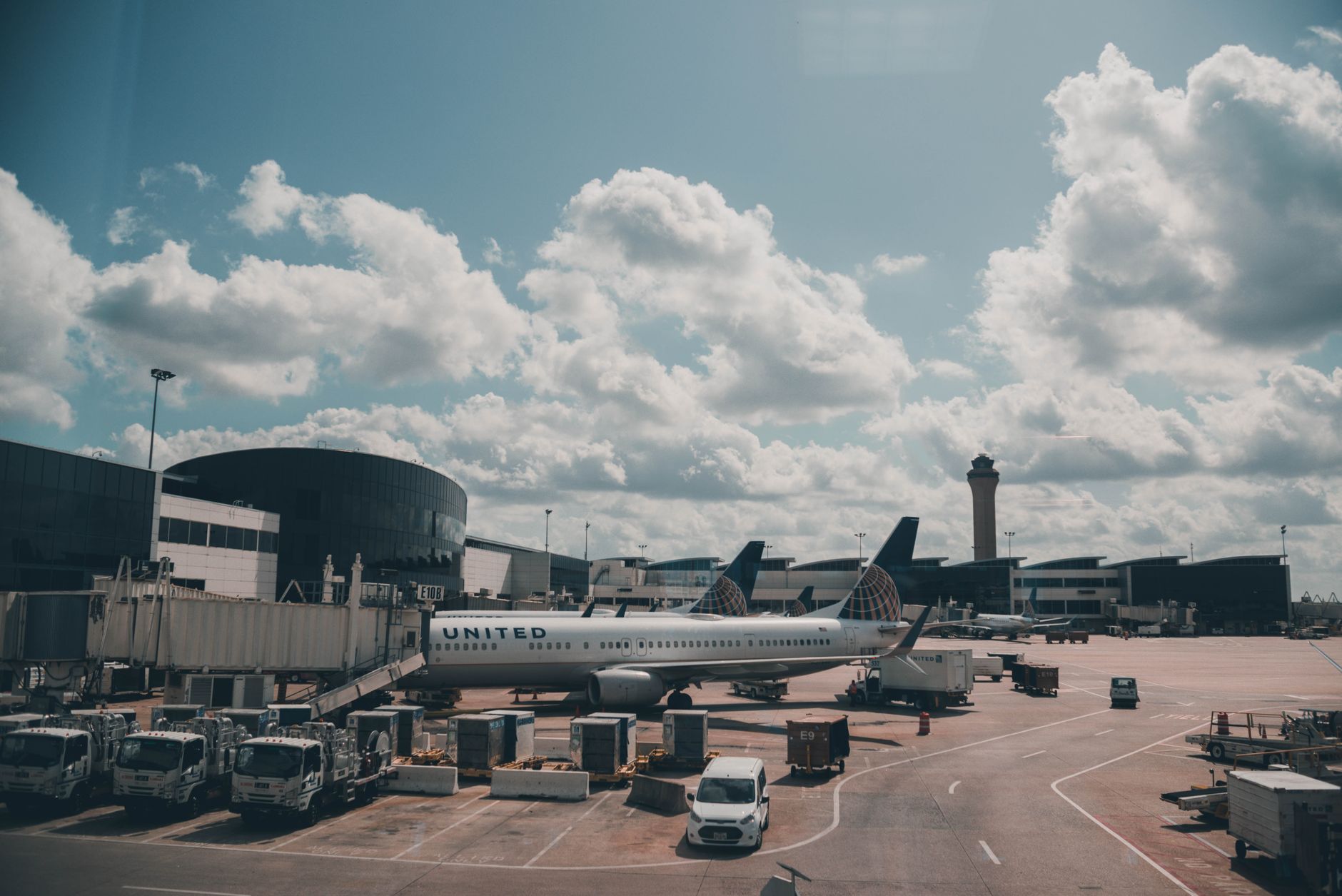
What the Delivery Gap Actually Costs
Boeing’s production problems are well documented. The 737 MAX manufacturing process faced quality control scrutiny throughout 2023 and into 2024, following the door plug blowout incident on an Alaska Airlines flight in January 2024. That event triggered fresh regulatory oversight from the FAA, imposed production rate caps, and slowed Boeing’s ability to push completed aircraft out the door at the volume it had projected. For a customer like Ryanair, which had structured its entire capacity expansion around a specific delivery timeline, the cascading effect was immediate.
Each undelivered aircraft represents a ceiling on the number of flights Ryanair can operate. The 737 MAX 10, which seats around 228 passengers in Ryanair’s high-density configuration, is not just a replacement plane – it’s an expansion tool. When those planes don’t arrive, the airline cannot open new routes, cannot add frequency to existing ones, and cannot retire older aircraft on the timeline it planned. The financial drag compounds across a full summer schedule.
Ryanair has historically run with some of the tightest margins in commercial aviation, and that model works because of high seat counts, high load factors, and aggressive asset utilization. A shortfall of 25 aircraft across a peak flying season is not an accounting footnote – it is a structural gap in the revenue plan. The airline has reportedly been exploring whether it can lease additional aircraft to partially fill the void, though the global narrowbody lease market is currently tight and rates are elevated.
O’Leary has also raised the possibility of seeking compensation from Boeing, which is standard language in large aircraft purchase agreements when delivery milestones are missed. Whether Ryanair pursues that formally or uses it as leverage to extract better scheduling commitments is a negotiation that is almost certainly ongoing behind the scenes. What is clear is that the relationship between Ryanair and its sole narrowbody supplier has entered a more adversarial phase than either party would prefer.

Boeing’s Position and Its Limits
Boeing is not ignoring its largest customers. The company has been working through its production backlog under intense regulatory scrutiny, with the FAA setting explicit limits on how many 737s can roll off the Renton, Washington production line per month. Boeing cannot simply accelerate output to satisfy Ryanair without running into those constraints – and doing so under current oversight conditions would carry regulatory risk that no Boeing executive wants to take.
That structural ceiling is precisely what makes Ryanair’s position so frustrating. This is not a case where Boeing is simply being disorganized. The production limits are externally imposed and legally binding, which means Ryanair’s pressure campaign, however loud, cannot actually force Boeing to deliver faster than the FAA will allow. What it can do is influence how Boeing prioritizes deliveries across its full customer base – and Ryanair, as one of the largest single 737 MAX buyers in the world, has significant leverage in that conversation.
Fleet Strategy Under Pressure
Ryanair has no viable short-term alternative to Boeing. The airline operates an entirely Boeing fleet, and switching to Airbus would require years of retraining pilots, restructuring maintenance contracts, and rebuilding parts supply chains – a cost that would dwarf any short-term gain from diversification. That supplier dependency is precisely why this situation is so uncomfortable for O’Leary, who built his low-cost empire partly on the back of extremely favorable Boeing deals struck during periods when the manufacturer needed to fill its own order book.
The irony is not lost. Ryanair’s success in negotiating some of the lowest aircraft prices in the industry came from committing to large, long-term orders when Boeing needed volume commitments. Now the airline finds itself locked into that single-supplier relationship at exactly the moment when Boeing’s production reliability is at a low point. Diversifying the fleet at this stage would be enormously disruptive, which is why Ryanair’s real strategy is not to threaten departure but to extract maximum accountability within the existing relationship.
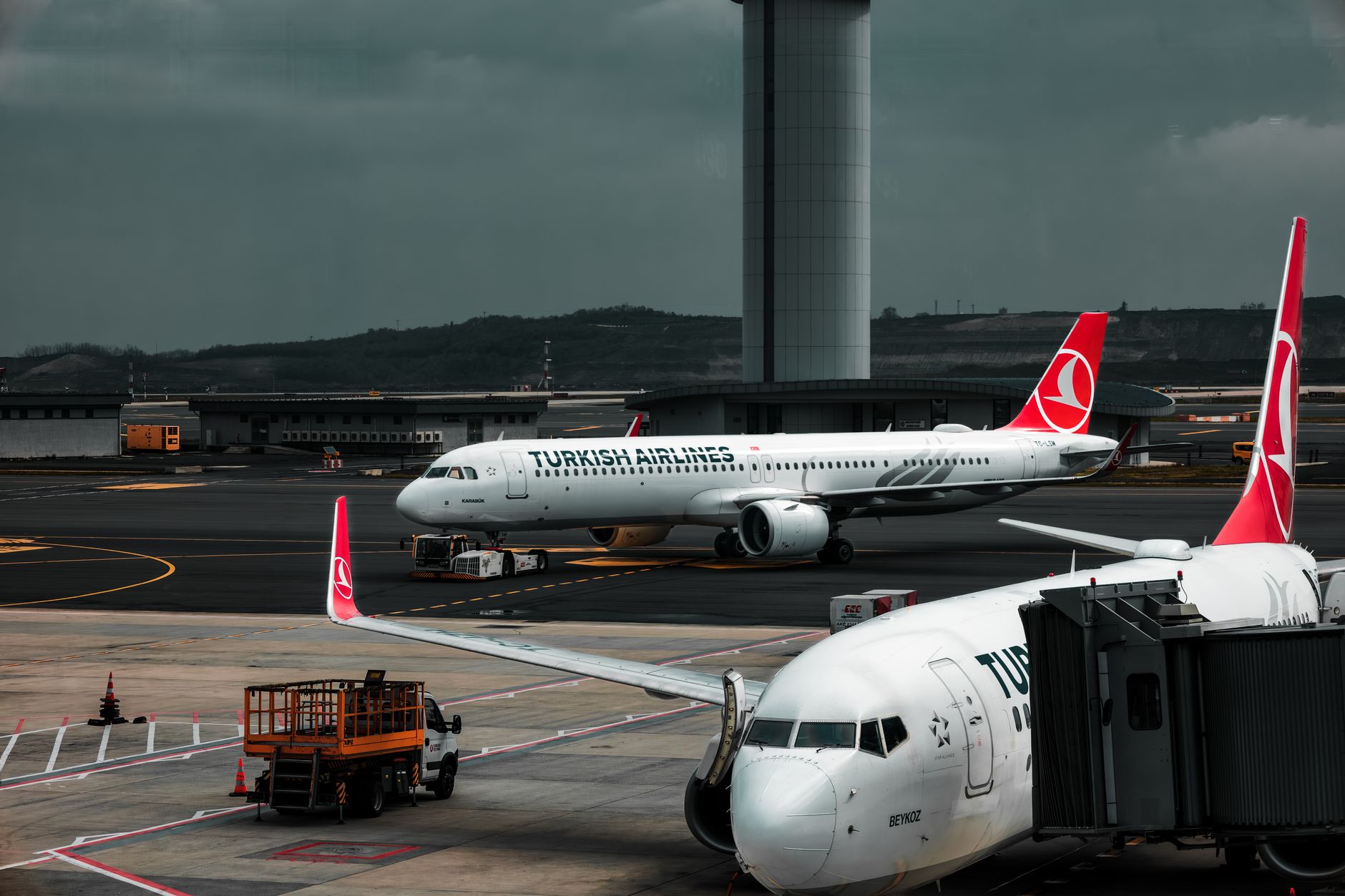
The pressure Ryanair is applying publicly serves a dual function. It signals to Boeing that delays have real commercial consequences, and it signals to Ryanair’s own investors that management is not passively absorbing the impact. Both audiences matter. Ryanair’s stock has faced pressure as the market recalibrates growth expectations, and O’Leary needs to demonstrate that the airline’s capacity expansion story is delayed, not broken.
Whether Boeing can deliver anything close to its revised schedule in the second half of the year depends on whether the FAA is satisfied enough with Boeing’s quality improvements to lift or ease current production caps. Until that regulatory signal comes, Ryanair’s summer of missing aircraft may stretch into next year’s planning cycle as well – and the airline will have fewer seats to sell in a European travel market that has shown no sign of softening demand.
Frequently Asked Questions
How many Boeing aircraft is Ryanair short of its expected deliveries?
Ryanair has said it expects to receive around 25 fewer aircraft than originally scheduled for the current year, a significant gap for a carrier reliant on tight fleet utilization.
Can Ryanair switch to Airbus to avoid Boeing delays?
Not in any practical short-term sense. Ryanair operates an all-Boeing fleet, and switching to Airbus would require years of retraining, maintenance restructuring, and supply chain changes.