

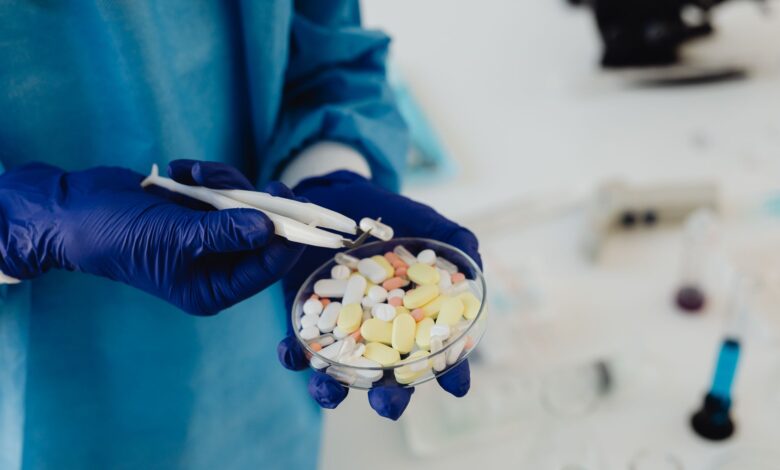
Pfizer’s Pivot Away from Covid Dependency
Pfizer built a financial empire on Covid-19 products, and now it is spending that empire to survive what comes next. Paxlovid, the antiviral pill that generated roughly $19 billion in 2022 alone, has been in sharp revenue decline as global demand for Covid treatments continues to fall. The company is not waiting for a new pandemic to bail it out – instead, it is placing aggressive bets on oncology, buying its way into a cancer drug pipeline that it could not have built organically fast enough to matter.
The strategy is straightforward if not cheap: acquire companies with late-stage cancer assets, absorb their pipelines, and convert Pfizer’s existing commercial infrastructure into a delivery machine for the next wave of blockbuster drugs. The $43 billion acquisition of Seagen in 2023 was the loudest signal yet that Pfizer views antibody-drug conjugates – a targeted cancer treatment technology – as the category worth owning over the next decade.
The question now is whether the math works before the bills come due.
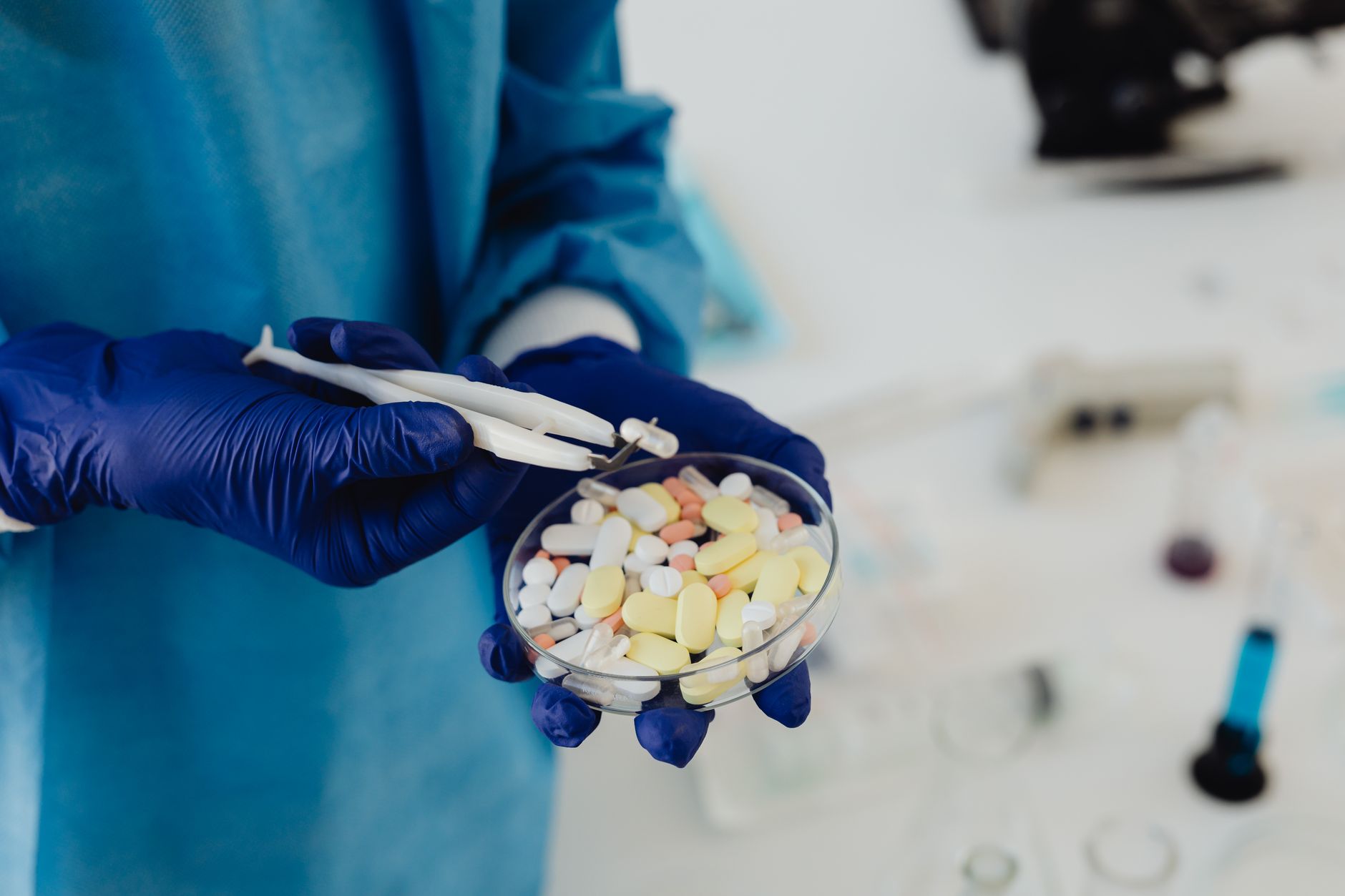
What the Seagen Deal Actually Bought
Antibody-drug conjugates, or ADCs, work by attaching a toxic chemotherapy payload directly to an antibody that targets cancer cells. The result is a more precise delivery mechanism than traditional chemotherapy, with a better side effect profile in many cases. Seagen was one of the few companies with a proven track record in developing and commercializing ADCs at scale, which made it worth a premium that raised eyebrows even among Pfizer’s own shareholders at the time of announcement.
The deal came with four approved ADC products and a pipeline of additional candidates across breast cancer, bladder cancer, cervical cancer, and other tumor types. Pfizer’s calculation was that it could accelerate the commercial trajectory of those assets by running them through its global sales force – a resource Seagen, as a mid-size biotech, never had access to at full scale. That kind of distribution leverage is where large pharmaceutical companies justify their acquisition premiums, even when the upfront cost looks staggering.
Early results have been mixed. Some Seagen-derived products have grown steadily under Pfizer’s commercial umbrella, while integration costs and writedowns have weighed on reported earnings. The company has also had to make tough decisions on workforce reductions to offset the revenue gap left by declining Paxlovid sales, cutting thousands of positions in 2023 and 2024 while simultaneously spending tens of billions on acquisitions. That tension – between cost discipline and growth ambition – defines Pfizer’s current operating reality.

The Broader Oncology Shopping Spree
Seagen was not an isolated move. Pfizer has been systematically building its oncology portfolio through a series of smaller acquisitions and licensing deals alongside the Seagen headline. The company acquired Arena Pharmaceuticals, added assets in hematology and solid tumors, and has continued to explore deals in radiopharmaceuticals – another targeted cancer treatment modality attracting serious industry attention. The pattern points to a leadership team that concluded oncology is the one therapeutic area large enough to replace the Covid revenue hole.
Cancer drug economics support that logic. Oncology treatments command some of the highest prices in pharmaceuticals, with many approved therapies carrying annual treatment costs well into the six figures. Payer resistance exists, but reimbursement for proven cancer drugs has generally held firmer than for treatments in other categories. For a company that needs high-margin blockbusters to sustain its financial profile, oncology is the only realistic destination at the scale Pfizer requires.
The risk is that Pfizer is not alone in this calculation. AstraZeneca, Daiichi Sankyo, Johnson and Johnson, and Merck are all either building or acquiring ADC capabilities and cancer pipelines. The oncology space is already crowded at the top, and late-stage clinical failures are expensive – both in sunk costs and in the stock price reaction that typically follows a high-profile trial miss. Pfizer has taken those hits before, and will likely take them again as its expanded pipeline advances through trials.
Revenue Reality and the Road to 2030
Pfizer’s leadership has publicly targeted a return to revenue growth by 2025 and a significant contribution from new products by the end of the decade. The oncology acquisitions are central to hitting those numbers. Analysts tracking the company’s pipeline point to several ADC candidates and next-generation cancer drugs currently in Phase 2 and Phase 3 trials as the near-term proof points for whether the strategy delivers. A few successful approvals over the next two to three years would validate the Seagen premium. A string of failures would force a reckoning with the balance sheet.
The debt load taken on to fund these acquisitions is not trivial. Pfizer has had to manage its credit profile carefully while maintaining its dividend – a commitment that matters deeply to the income-focused investors who make up a large part of its shareholder base. Cutting the dividend would be treated as a crisis signal. So the company is threading a narrow path: preserve capital returns while funding a multi-year growth transition built on some of the most expensive assets in the pharmaceutical market.

Pfizer’s oncology bet is ultimately a wager that execution can catch up to ambition – and that the ADC market grows large enough, fast enough, to offset years of Covid-era revenue that will never return. The next major catalyst is likely a pivotal trial readout from one of the Seagen-originated pipeline assets, where a single data package could either confirm the logic of a $43 billion acquisition or deepen the doubts that have followed it since the deal closed.