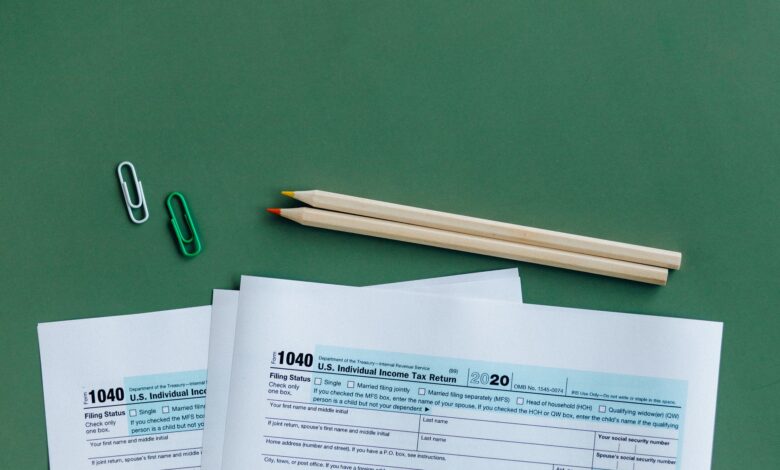
For years, TurboTax has operated as the default answer to tax season anxiety – a brand so embedded in American filing culture that “TurboTax” became a verb in some households. That hold is showing cracks, and Cash App Taxes is one of the reasons why.
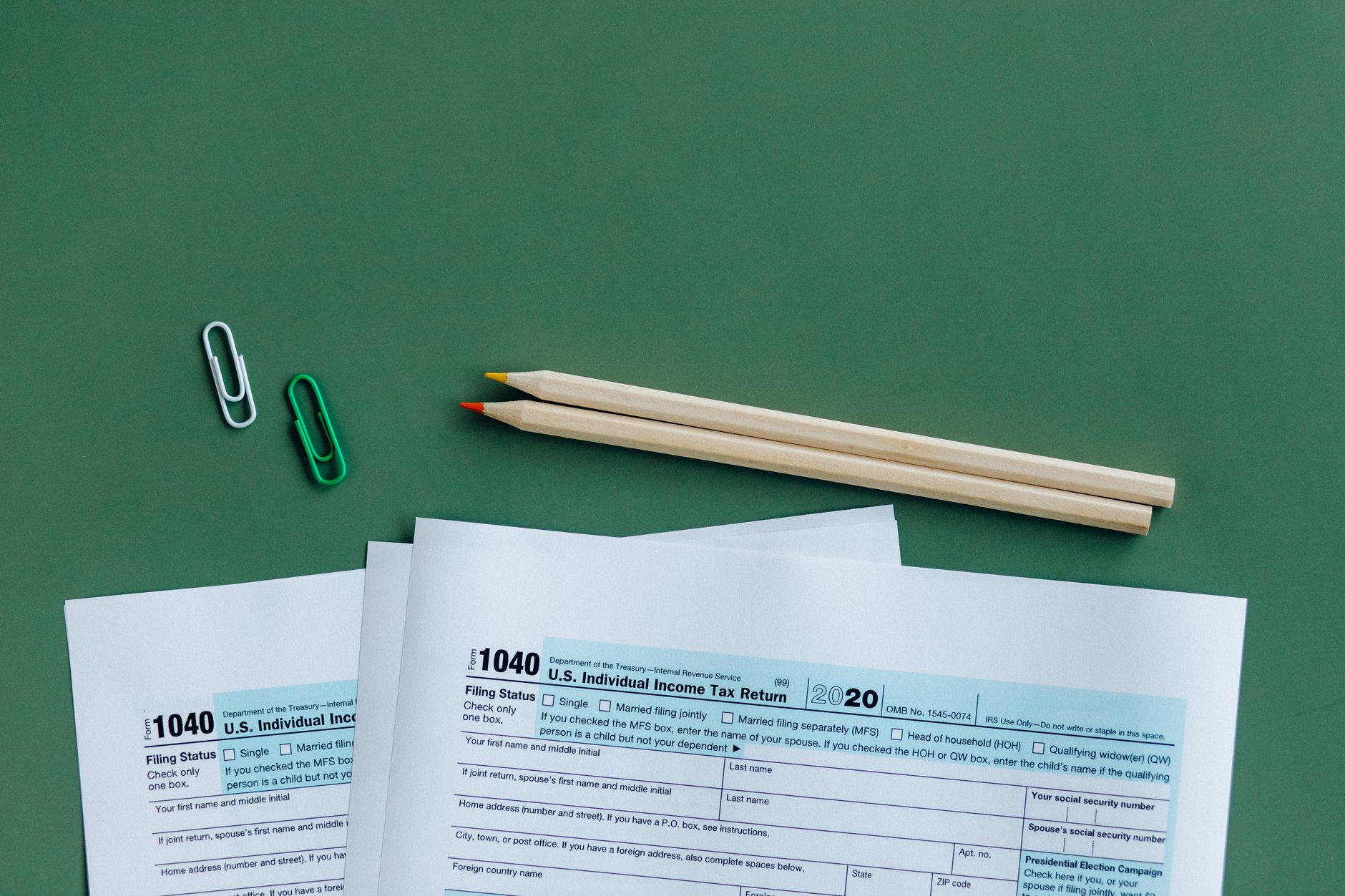
How Cash App Taxes Built a Real Challenger
Cash App Taxes – formerly Credit Karma Tax before Block Inc. acquired it in 2020 – offers completely free federal and state filing with no hidden upsell tiers. That structure alone sets it apart from TurboTax’s famously layered pricing model, which has drawn repeated scrutiny for steering eligible free filers into paid products. The Federal Trade Commission’s 2022 ruling against Intuit, which found the company had engaged in deceptive advertising around its “free” filing service, handed Cash App Taxes a ready-made marketing narrative: we actually mean free.
Block has been growing Cash App Taxes by integrating it directly into the Cash App ecosystem, where tens of millions of users already handle peer-to-peer payments, direct deposits, and debit card transactions. That built-in distribution is a structural advantage that would take years and hundreds of millions of dollars to replicate from scratch. When a user’s paycheck lands in Cash App and a banner reminds them that tax filing is available inside the same app at no cost, that is an entirely different kind of acquisition funnel than search ads or television commercials.
The product itself has matured considerably. Early iterations of Credit Karma Tax were functional but limited – capable of handling straightforward W-2 returns but weak on more complex situations like self-employment income, investment gains, or rental properties. Cash App Taxes has expanded its supported forms and schedules over successive filing seasons, bringing it closer to parity with TurboTax’s core offering for middle-complexity filers. It still lacks the depth of TurboTax’s professional review options and CPA access, but for a growing segment of filers, those features were never the point.
Block’s broader financial strategy matters here too. Cash App Taxes is not expected to be a direct revenue driver – it serves as a retention and engagement tool within the Cash App platform. That frees it from the pressure to monetize users at the point of filing, which is exactly where TurboTax’s model has historically generated friction and, eventually, regulatory attention.

TurboTax’s Structural Vulnerabilities
Intuit’s dominance in consumer tax software was never purely about product quality. It was built on aggressive marketing spend, early mover advantage in digital filing, and a tiered product structure that reliably converted free-tier users into paid customers. That model worked exceptionally well for two decades. The problem is that each of those pillars is under pressure simultaneously.
The FTC action and subsequent state attorney general investigations forced Intuit to change how it advertises TurboTax Free Edition. The company now leads more prominently with TurboTax Free File and its IRS Free File partnership eligibility, but the reputational damage from years of steering users toward paid products is not something a revised disclosure fixes overnight. A meaningful portion of filers who felt misled have looked for alternatives, and Cash App Taxes and H&R Block’s free tier have been direct beneficiaries.
Intuit has responded by doubling down on its premium services. TurboTax Live, which connects filers with CPAs and tax experts for real-time review, is now the centerpiece of the company’s growth pitch. The logic is sound – there is a ceiling on how much a truly free competitor can threaten the high-margin professional review segment. A first-time homeowner with mortgage interest deductions, stock option exercises, and a freelance side income is not a natural Cash App Taxes customer, at least not yet. Intuit is essentially conceding the simple-return market while fortifying the complex end.
That concession is more significant than it sounds. Simple returns represent the bulk of American filers by volume. Ceding that segment to free competitors means fewer users entering the TurboTax ecosystem at the beginning of their financial lives – users who might have graduated to paid tiers as their tax situations grew more complicated. Losing them at the entry point means losing the pipeline, not just the immediate transaction.
There is also the IRS Direct File program to contend with. Launched as a pilot in 2024 and expanded for the 2025 filing season, Direct File allows eligible taxpayers to file directly with the IRS at no cost through a government-built tool. Intuit has lobbied aggressively against Direct File’s expansion for years, arguing the private sector serves filers better. That argument carries less weight each year the government program operates without catastrophe. If Direct File’s eligibility scope continues to widen, it adds a third free-filing pressure point that neither Intuit nor Cash App Taxes can control.
Where the Competition Goes From Here

Block’s challenge is converting Cash App Taxes users into deeper platform relationships. Filing taxes once a year is a low-engagement touchpoint by itself, and if users don’t stay active in Cash App the rest of the year, the strategic value of free filing diminishes. Block is aware of this – the company has been pushing Cash App’s savings accounts, investment features, and Buy Now Pay Later functionality as year-round anchors. Whether tax filing becomes a genuine on-ramp to those products or stays a seasonal feature depends on execution that Block has not yet fully demonstrated at scale.
Intuit, meanwhile, faces a question that does not have a comfortable answer: if the simple-return market is effectively gone, and Direct File keeps expanding, and TurboTax Live’s growth depends on attracting genuinely complex filers, how large is that addressable audience really? The company reported strong TurboTax Live revenue growth in its most recent fiscal year, but the total number of do-it-yourself filers using paid TurboTax products has been under pressure. At some point, moving upmarket is a strategy, and at another point, it is a retreat – and the distance between those two descriptions narrows each filing season.