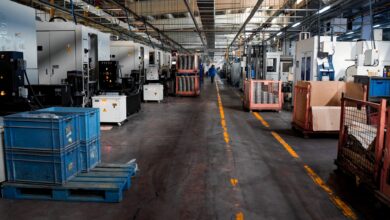


Intel is cutting executive compensation as losses in its chip manufacturing division continue to mount, marking one of the more visible signs that the company’s turnaround effort is still far from finished.

Pay Cuts at the Top as Pressure Builds
The compensation reductions target senior leadership at a company that has spent the better part of two years trying to stabilize its finances after a series of costly strategic miscalculations. Intel’s decision to tie executive pay more tightly to financial performance is a direct response to sustained losses in its Intel Foundry division, the manufacturing arm the company had positioned as a long-term growth engine capable of competing with TSMC and Samsung.
Intel Foundry reported operating losses running into the billions, a reality that has forced the board to take more visible action to signal accountability. Executive bonuses and base compensation are being adjusted downward, with the scale of cuts tied to divisional performance metrics that the foundry business has consistently failed to meet. The moves affect a layer of senior management wide enough to send a clear message internally – and to investors watching from outside.
The timing matters. Intel is navigating this restructuring while simultaneously trying to win new manufacturing contracts from outside customers, a strategy that requires projecting financial stability and operational confidence. Cutting executive pay while losses deepen is not exactly the signal a foundry trying to attract fabless chip designers wants to send, but doing nothing would have created its own credibility problem.
CEO Pat Gelsinger, who staked his legacy on rebuilding Intel as both a chip designer and a contract manufacturer, stepped down in late 2024. His departure added another layer of uncertainty to a company that was already managing a complex internal restructuring, large capital expenditures, and a product roadmap that had suffered repeated delays. The executive pay cuts are partly a legacy of decisions made during that period.
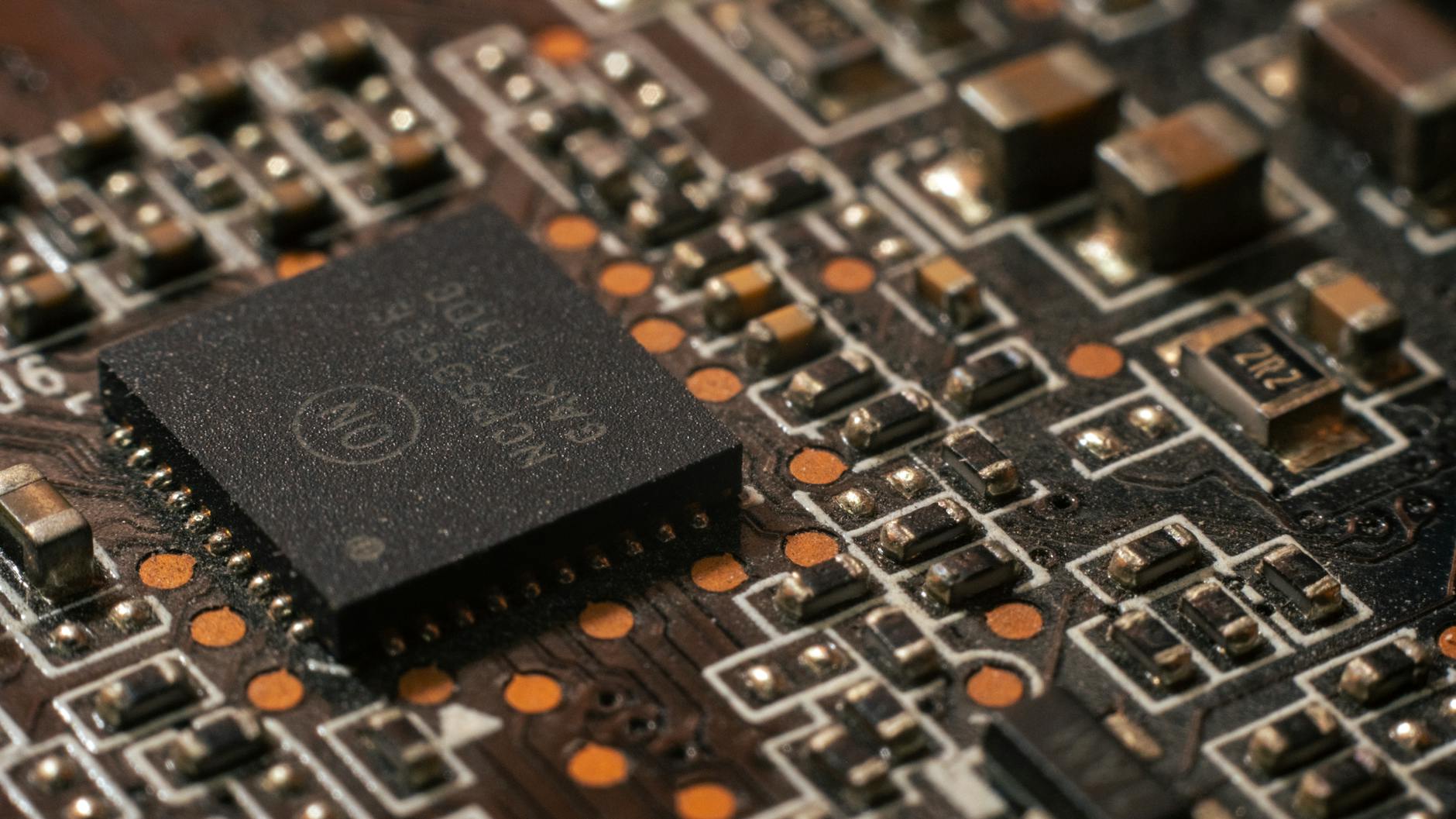
The Foundry Division and Where the Losses Come From
Intel Foundry’s losses stem from a combination of factors that compound each other in uncomfortable ways. Building and operating leading-edge semiconductor fabrication facilities requires enormous, sustained capital investment – facilities that take years to reach the utilization rates needed to become profitable. Intel’s fabs have been running at lower-than-desired capacity, which means fixed costs are spread across fewer chips, keeping margins deeply negative.
The foundry model also requires trust from outside customers, and that trust takes time to build. Fabless companies like AMD, Qualcomm, and Nvidia have deeply embedded relationships with TSMC and are not going to redirect major production runs to Intel without compelling proof that yields, delivery schedules, and pricing are competitive. Intel has made progress on its process technology, particularly with its 18A node, but converting technical milestones into signed customer contracts has moved more slowly than the company projected.
There is also the question of U.S. government support. Intel has been a primary beneficiary of the CHIPS Act, with billions in grants and loans tied to domestic semiconductor manufacturing expansion. That funding comes with strings – reporting requirements, domestic sourcing commitments, and restrictions on expanding capacity in certain foreign markets. Managing those obligations while also running a competitive commercial foundry business adds administrative and operational complexity that most of Intel’s competitors do not face at the same scale.
The chip design side of Intel’s business, which produces processors for PCs and data centers, has its own challenges. The PC market went through a prolonged correction after the demand spike earlier this decade, and Intel’s data center chips faced intensifying competition from AMD’s EPYC processors and, more recently, from Arm-based chips deployed by cloud providers building their own silicon. Revenue in the Client Computing Group and the Data Center and AI Group both came under pressure, reducing the cash flow available to subsidize foundry investment.
What makes the current situation particularly difficult is that Intel cannot simply choose between its two major businesses. Spinning off or winding down the foundry would destroy billions in sunk costs and forfeit the government grants tied to expansion commitments. Pulling back from chip design would gut the revenue base that still funds most of the company’s operations. The executive pay cuts are a financial adjustment at the margins of a structural problem that compensation changes alone cannot fix.
What Investors Are Watching

Investors have not been patient. Intel’s stock has declined sharply over the past two years, and while some of that reflects broader semiconductor sector volatility, a significant portion reflects company-specific concern about whether Intel can execute its foundry ambitions without continuing to burn through cash at an unsustainable rate. The executive pay reductions may offer modest short-term cost relief, but Wall Street is focused on a narrower set of questions: when does Intel Foundry reach breakeven, who are its anchor customers, and what does the 18A node yield data actually look like at scale?
The next few quarters will be telling. Intel has indicated that 18A is on track and that it expects to share more detailed customer traction updates later this year. If those updates include credible outside commitments – not just letters of intent, but actual production agreements with named foundry customers – the narrative around the company could shift. If the updates are vague or the losses in the foundry division widen further, the pressure on Intel’s new leadership to consider more dramatic options, including a deeper split between its design and manufacturing businesses, will intensify. Cutting executive pay buys goodwill, not time.