
Same-day delivery has stopped being a premium perk and started being a baseline expectation – and Amazon and Walmart are now locked in a direct, expensive fight over who gets to define what that expectation looks like.
Amazon’s Infrastructure Advantage Meets Its Match
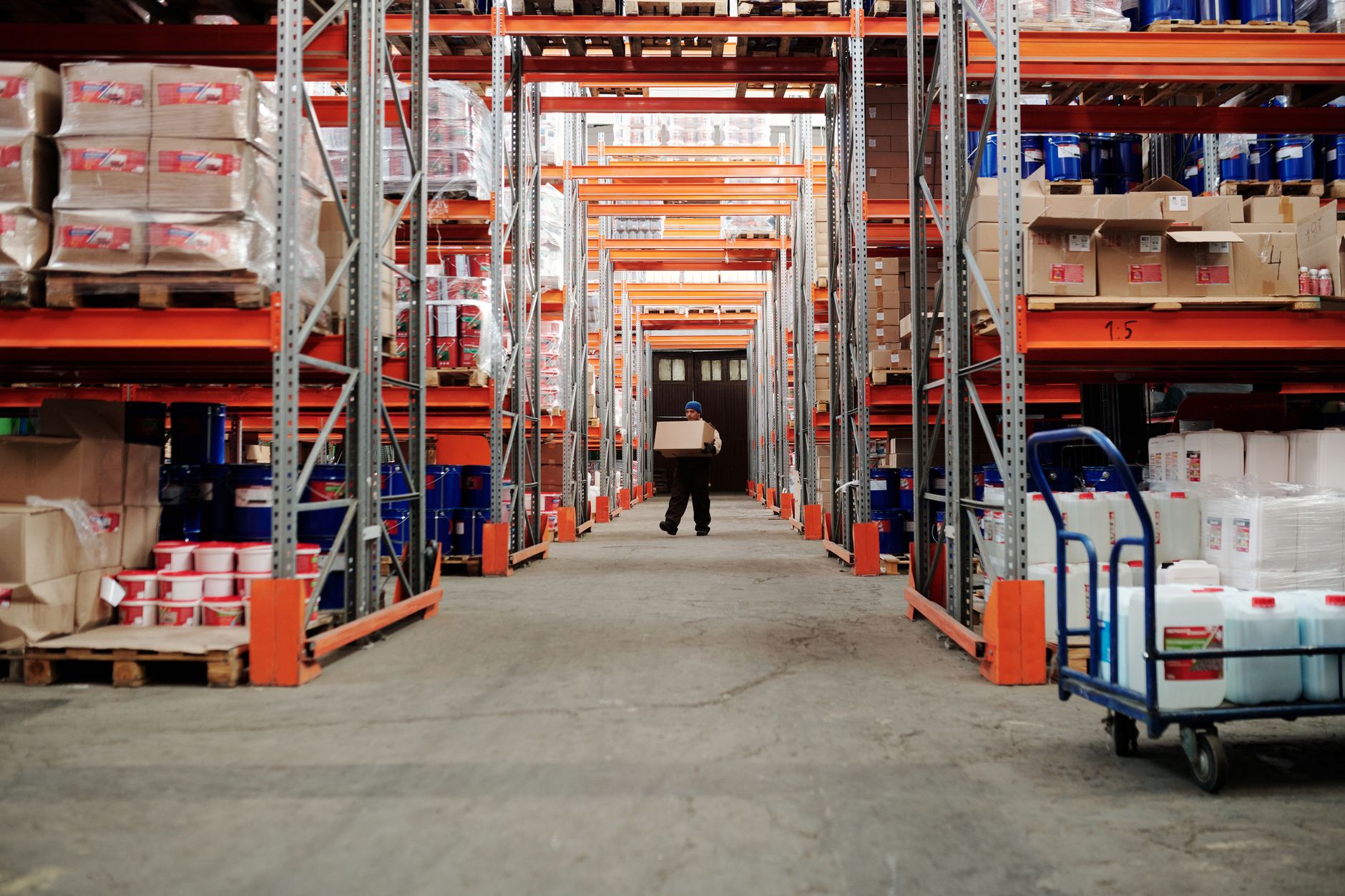
Amazon built its same-day delivery operation over more than a decade, assembling a network of fulfillment centers, delivery stations, and last-mile contractors that no retailer has yet replicated at scale. The company’s same-day coverage now reaches tens of millions of Prime members across hundreds of U.S. metro areas, with the service anchored by a catalog of millions of everyday items – groceries, electronics, household goods – rather than just a curated selection. That depth of inventory is what has kept competitors from closing the gap through sheer logistics spending alone.
Walmart’s counter-strategy is built on geography rather than warehouses. With more than 4,600 stores across the United States, the retailer sits within 10 miles of roughly 90 percent of the American population – a physical footprint that no amount of fulfillment center construction can replicate quickly. Walmart has been converting those stores into micro-fulfillment hubs, using them to pick, pack, and dispatch same-day orders in ways that dramatically shorten the last mile. The logic is straightforward: the closest inventory wins the delivery race.
The two companies are now effectively running parallel models. Amazon’s approach relies on purpose-built logistics infrastructure, while Walmart’s approach treats retail square footage as a delivery asset. Both are spending heavily on automation – robotic sorting systems, route optimization software, expanded driver networks – to lower the cost per delivery to a point where same-day doesn’t require a steep surcharge. The cost structure behind same-day fulfillment remains one of the most difficult problems in retail logistics, and neither company has solved it cheaply.
Walmart’s GoLocal delivery service, which the company has been quietly expanding, adds another layer to the competition. By offering white-label delivery infrastructure to other retailers, Walmart is building delivery volume that subsidizes its own same-day operations – a move that mirrors how Amazon has used its third-party seller marketplace to generate fulfillment volume and spread fixed costs. Both companies are using external demand to make their internal delivery economics work better.
The Real Battle Is Over Who Pays for Speed
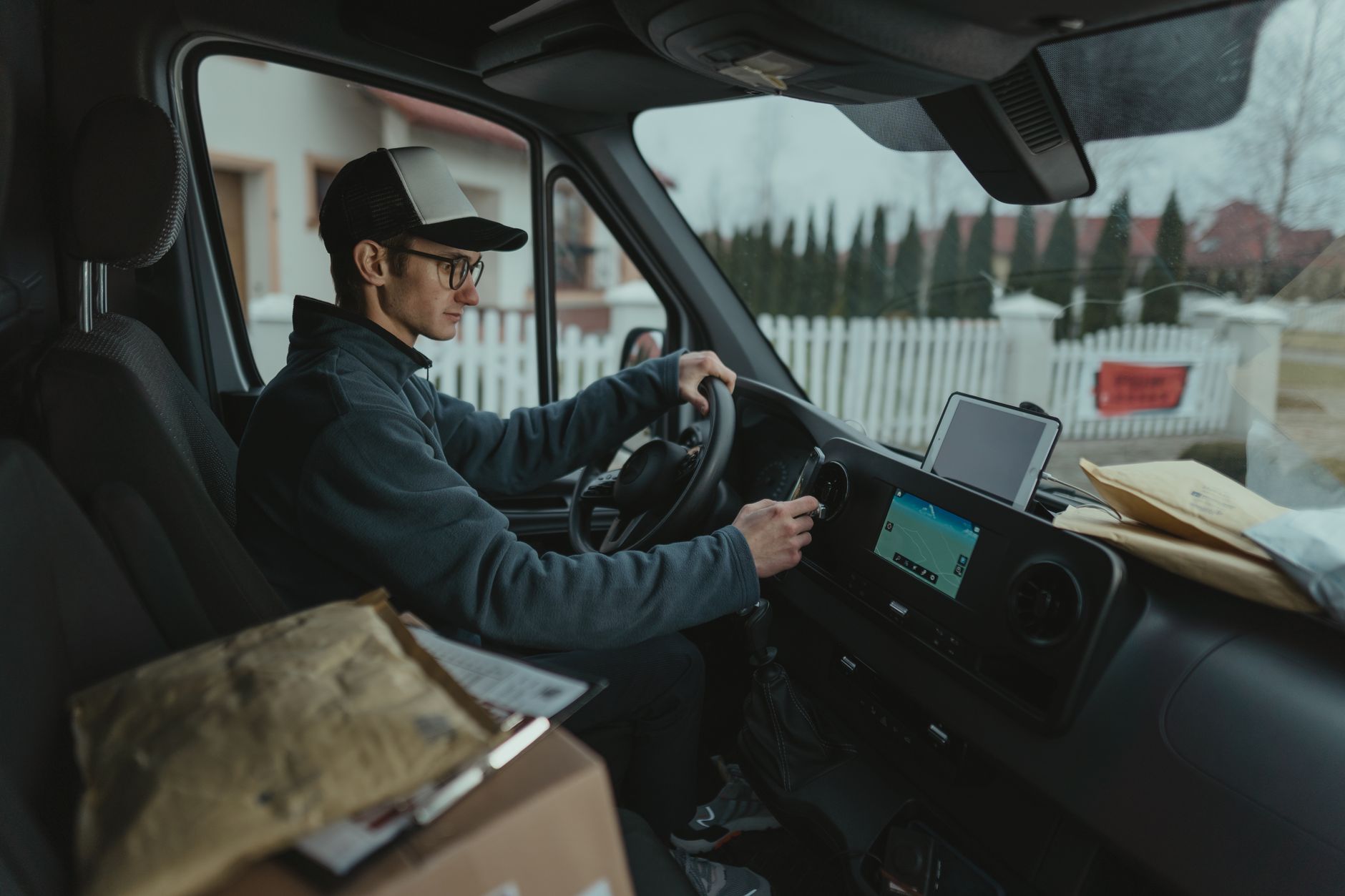
Same-day delivery is expensive to operate. The condensed fulfillment window leaves almost no room for route consolidation, which means more individual trips per order than standard next-day shipping. Labor costs are higher because of urgency, and the margin for error on inventory accuracy is essentially zero – a missing item doesn’t just delay an order, it cancels the promise entirely. Both Amazon and Walmart are absorbing these costs at scale because the strategic payoff is customer lock-in, not short-term profitability.
Amazon has the advantage of Prime membership as a bundling mechanism. Prime subscribers pay an annual fee that includes same-day access, which means Amazon can price same-day at the program level rather than the transaction level. That framing matters because it makes same-day feel free to the consumer even when the underlying logistics cost is significant. Walmart Plus, the retailer’s subscription program, is attempting the same psychology – fold same-day into a membership fee and remove the per-order friction that makes customers hesitate.
Where the competition gets genuinely complicated is in grocery. Both companies are competing for grocery delivery as a high-frequency, high-retention category. A customer who gets their groceries from one platform consistently is far less likely to switch for electronics or home goods. Walmart’s existing grocery dominance gives it an organic entry point into same-day grocery delivery that Amazon has had to build through Whole Foods and Amazon Fresh – two networks that still don’t match Walmart’s geographic density or price positioning in many markets.
Target and Instacart are watching this closely. Target’s same-day service, run through its Shipt subsidiary, has grown steadily, and Instacart’s platform connects multiple retailers to a shared delivery workforce. Neither is positioned to outspend Amazon or Walmart on infrastructure, but both can carve out defensible segments – Target on style-forward merchandise, Instacart on multi-retailer flexibility – that the two giants haven’t locked down.
The urban-rural divide is a genuine constraint for both companies. Same-day delivery economics work well in dense metros where multiple orders can be batched into efficient routes. In suburban and rural markets, the cost per delivery rises sharply and the customer base thins out. Amazon has been more aggressive about extending same-day into secondary markets, but the unit economics require careful management. Walmart’s store network gives it a natural advantage in lower-density markets where Amazon would otherwise need additional infrastructure investment.
What Comes Next
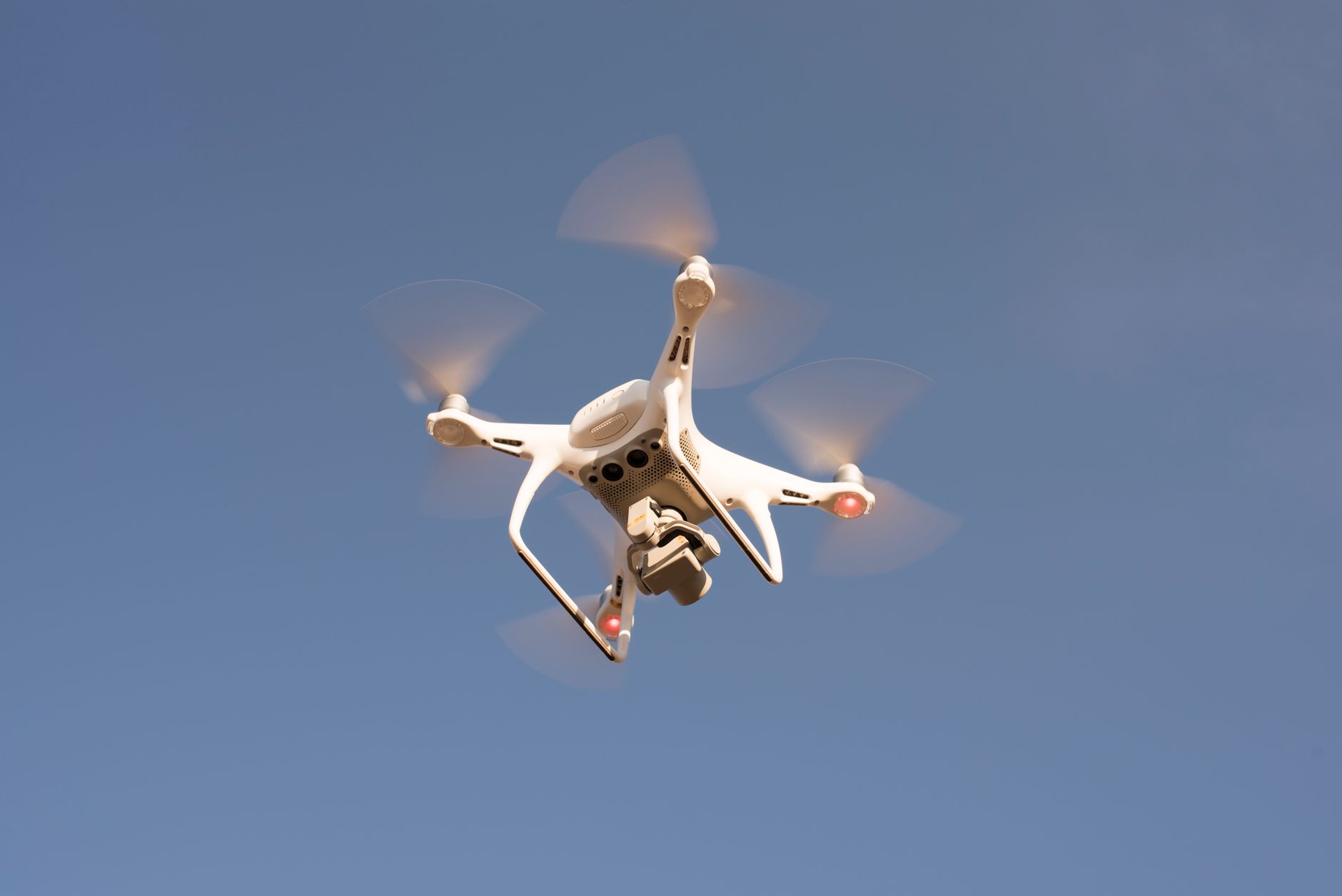
Drone delivery is the obvious wildcard neither company is willing to abandon. Amazon’s Prime Air program has been running limited tests in select markets for years, facing regulatory friction and technical complexity that have slowed meaningful scale. Walmart has been testing drone delivery through partnerships in Texas and other states, with shorter range but faster regulatory traction in some areas. If drone delivery reaches cost parity with ground delivery in even a fraction of markets, it disrupts the current infrastructure logic entirely – small orders, short distances, no driver labor.
What neither company has fully solved is the returns side of same-day. When something arrives the same day and needs to go back, the reverse logistics chain is even more fragmented than the delivery chain. A customer who orders, receives, and returns an item within 24 hours creates a cost loop that erodes most of the margin from the original transaction. Amazon’s dense return network and Walmart’s store-based returns give them structural advantages over pure-play e-commerce rivals, but the problem itself doesn’t disappear – it just gets slightly less expensive to manage. Whether same-day eventually becomes a standard retail cost, the way free shipping did a decade ago, may depend entirely on which company blinks first on the pricing.