

The Quiet Shift Hotels Cannot Ignore
When Airbnb quietly expanded its long-term stay filters and began aggressively courting remote workers in 2021, the move looked like a pandemic-era survival play. Four years later, it looks more like a structural land grab. Bookings of 28 nights or longer have become a permanent fixture on the platform, and the guests filling those listings are not backpackers or weekend tourists – they are relocated employees, contract workers, digital nomads, and families between leases.
Hotels built their entire pricing architecture around the short stay: two nights, three nights, maybe five for a leisure traveler. The average hotel room is not designed to live in. There is no full kitchen, no dedicated workspace with natural light, no washing machine. For a two-night stay, none of that matters. For a 30-night stay, it is everything.
That gap in product design is now costing the hotel industry real revenue.
What the Long-Term Booking Actually Looks Like
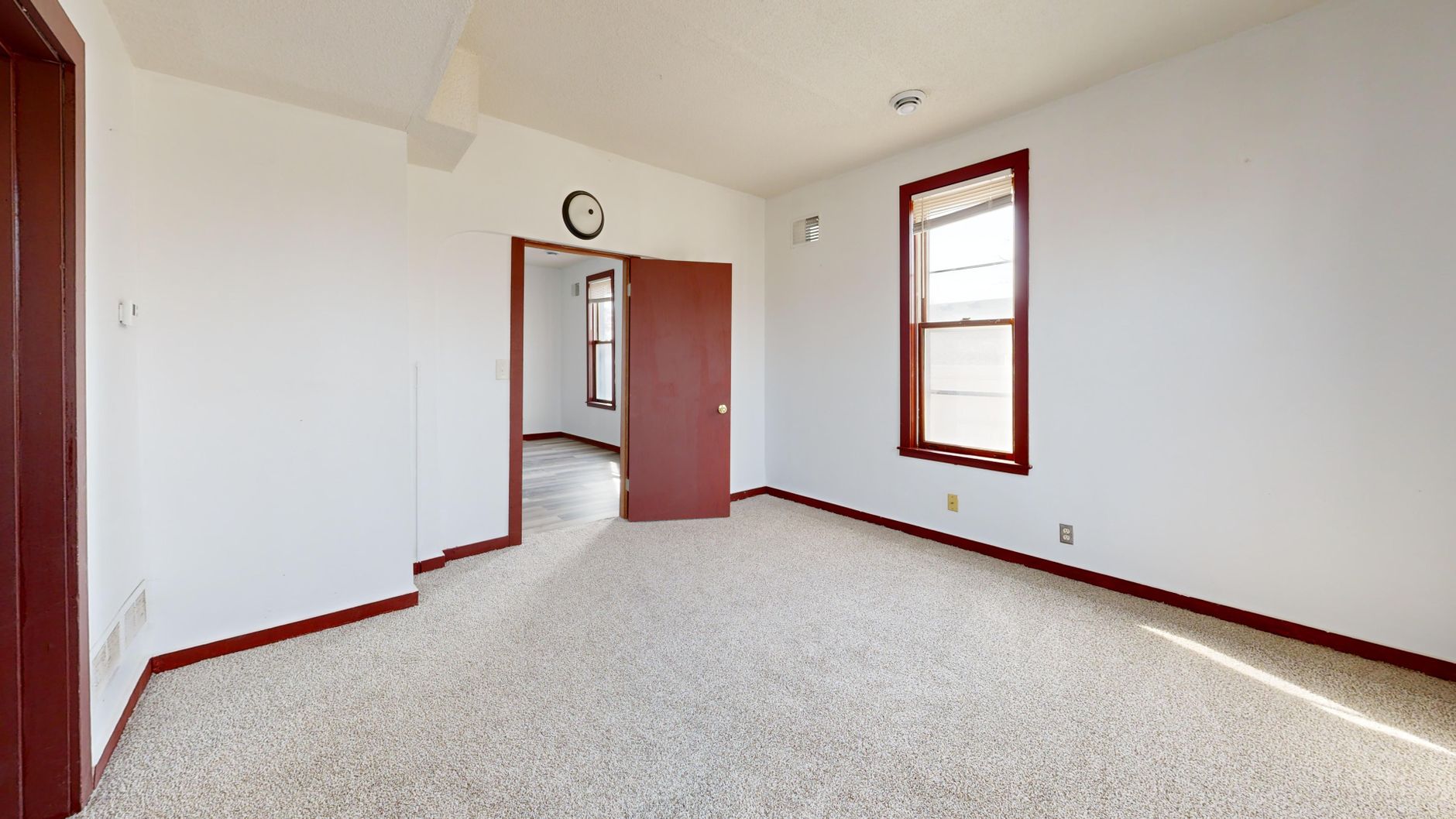
A guest booking a month-long Airbnb stay in a mid-sized city is typically spending somewhere between $1,800 and $4,000 depending on market. That same guest, had they defaulted to an extended-stay hotel brand, would be spending a comparable or higher amount – but the extended-stay hotel segment is a relatively thin slice of the broader lodging market. Most hotel brands are not competing here at all. They simply do not have the inventory of apartment-style units with kitchens and laundry that long-term guests want.
Airbnb’s long-term category benefits from a compounding advantage: supply grows on its own. Every homeowner with a spare apartment, every investor with a rental unit sitting half-vacant, every person relocating who wants to offset their mortgage – all of them can list a space that meets long-term stay criteria without any corporate approval or construction budget. Traditional hotels cannot replicate that supply growth without building new properties or converting existing rooms, both of which take years and significant capital.
The demand side is equally durable. Corporate travel managers at mid-size companies are increasingly routing project-based workers through Airbnb for Business rather than hotel corporate accounts. The math often favors Airbnb: a furnished apartment at $2,800 per month beats a hotel at $180 per night when the stay exceeds three weeks. That is not a consumer preference shift – it is a procurement decision that removes hotel rooms from the consideration set entirely.

Where Hotels Are Feeling the Pressure Most
The damage is not evenly distributed. Luxury and resort properties are largely insulated – their guests are not cross-shopping Airbnb long-term listings for a beach vacation. The pressure falls hardest on midscale and upper-midscale hotel brands in secondary markets: the business corridor hotels in cities like Austin, Nashville, Denver, and Charlotte, where remote work relocation has been heaviest and where Airbnb long-term supply has grown fastest.
Occupancy rates at these properties have recovered on paper in recent years, but the recovery masks a composition problem. Fewer of those occupied rooms are multi-week corporate stays. More of them are short leisure trips with lower average daily rates and higher service demands. A hotel that used to run 60% of its rooms on long-term corporate contracts now scrambles to fill that same capacity with two-night bookings at promotional rates. Revenue per available room may look stable in aggregate, but the underlying margin structure is weaker.
Extended-stay brands like WoodSpring and Residence Inn were designed for exactly this demand category, but they represent a fraction of total hotel room supply. Meanwhile, the broader industry has been slow to respond. Some major chains have explored apartment-hotel hybrid concepts, but rolling out a new product category through a franchised hotel system takes years. Airbnb hosts can list a new long-term unit in 20 minutes.
The Cannibalizing Math
Every long-term Airbnb booking that displaces a hotel stay removes more than just one night of revenue from the hotel column. A 30-night stay booked on Airbnb represents 30 hotel nights that never appear in any brand’s occupancy data, 30 hotel breakfasts never sold, 30 evenings of bar revenue never generated, and 30 days of loyalty points never earned. The loyalty program erosion matters specifically because hotel chains have spent decades building frequent-traveler programs as a moat against competition. Long-term Airbnb guests who book outside those systems for weeks at a time are quietly breaking the habit loop that hotel brands depend on for repeat business.
Airbnb has not won this segment decisively – there are still guests who prefer the consistency and service model of a hotel for longer stays, and there are markets where long-term Airbnb supply is thin. But the trajectory favors the platform. Each year more remote workers normalize living out of short-term rentals. Each year more property owners optimize their listings for monthly tenants. And each year the gap between what a hotel room offers for $6,000 per month and what a furnished Airbnb apartment offers for the same price gets harder for the hotel industry to explain away.
Frequently Asked Questions
How long does a stay need to be to count as a long-term Airbnb booking?
Airbnb generally categorizes stays of 28 nights or longer as long-term bookings, which come with different pricing structures and host requirements.
Are hotels doing anything to compete with Airbnb long-term stays?
Some extended-stay brands and hybrid apartment-hotel concepts are in development, but scaling new product categories through franchised hotel systems takes years, leaving a wide window for Airbnb to consolidate its lead.