

The Quiet Squeeze on Square’s Turf
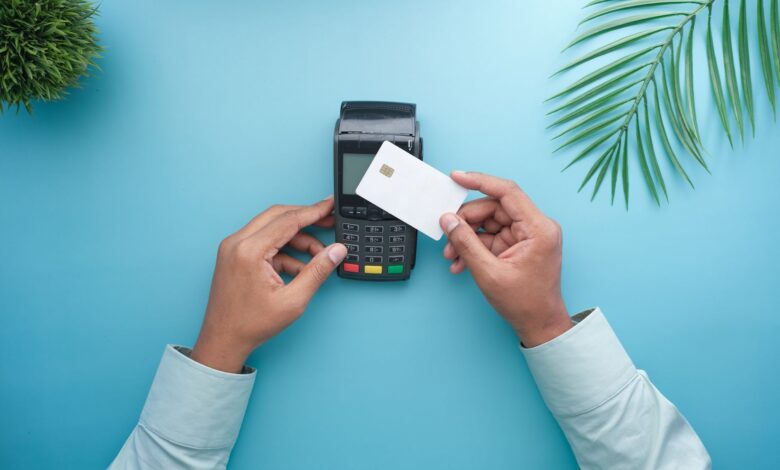
Visa has spent the better part of three years building a tap-to-pay infrastructure that now reaches well beyond the big-box retailers and hotel chains it has long dominated. Its push into small merchant territory – the coffee shops, food trucks, and neighborhood boutiques that made Square a household name – is less a dramatic offensive than a slow, structural encroachment. And it’s working precisely because most small business owners aren’t watching it happen.
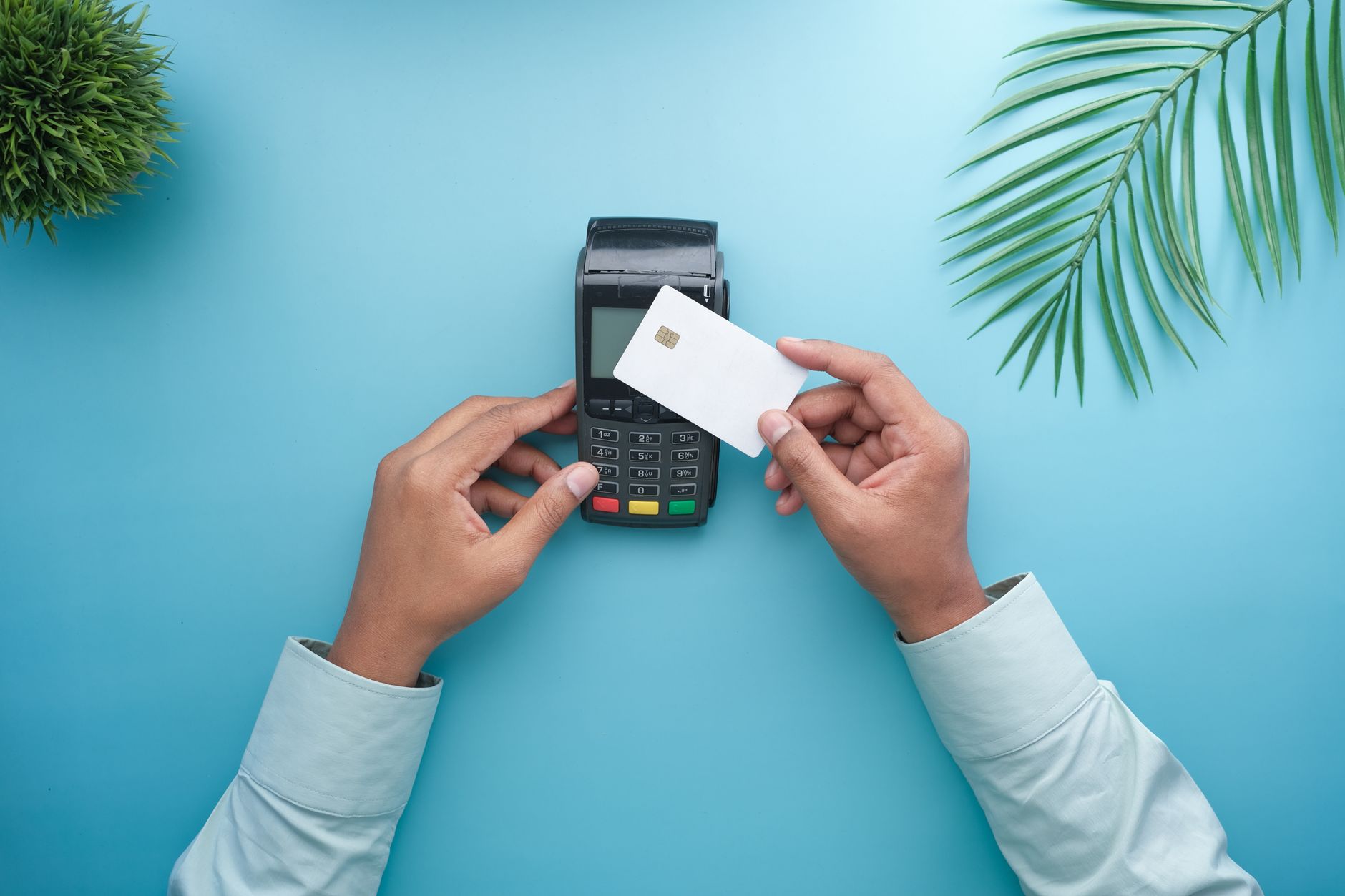
The mechanism is simple: Visa’s tap-to-pay technology, combined with its Visa Ready program for certified hardware partners, has made it easier and cheaper for third-party point-of-sale device makers to offer contactless payment acceptance without routing everything through Square’s closed ecosystem. That means a merchant who once had no real alternative to Square’s reader and fee structure now has certified options that plug directly into Visa’s network – cutting out the middleware layer where Square has historically earned its margins.
Square built its empire on friction removal.
Where Square’s Moat Is Thinner Than It Looks
Square’s dominance among micro-merchants – businesses processing under $250,000 annually – was never really about payments technology. It was about accessibility. The free card reader, the flat 2.6% plus ten-cent swipe fee, the same-day deposit option: these were the features that made Square the default choice for anyone opening a small business without a dedicated CFO or IT department. The technology was secondary to the onboarding experience.
That accessibility advantage is eroding. Visa’s certified hardware partners now offer tap-to-pay readers at comparable price points, and because they connect directly to Visa’s network, the fee structures can be negotiated differently – particularly for merchants who process above a certain monthly threshold. For a food truck doing $15,000 a month, a quarter-point difference in processing fees adds up to real money across a year. Square’s flat-rate model, once its biggest selling point, has become a ceiling that more merchants are starting to notice.
The software side is where Square still holds ground. Its ecosystem – inventory management, payroll, loyalty tools, online ordering integration – is genuinely difficult to replicate quickly. A merchant switching away from Square doesn’t just swap out a card reader; they potentially lose the operational layer built around it. But Visa’s strategy doesn’t require merchants to abandon Square entirely. It only requires them to stop being exclusively dependent on it, and that’s a much lower bar to clear.

What Visa’s Infrastructure Play Actually Means
Visa is not trying to become Square. That distinction matters. Visa has no interest in owning the merchant relationship the way Square does – no ambitions around payroll software or loyalty programs or small business loans. What Visa wants is volume moving across its network, and the more entry points exist for that volume, the better its position. By expanding the Visa Ready certification program and making it easier for hardware manufacturers to build tap-to-pay devices that bypass proprietary payment aggregators, Visa gets more transactions without needing to win a single customer directly.
This is a structurally different kind of competition than Square faces from, say, Toast or Clover. Those rivals compete on the same playing field – software features, hardware design, merchant services bundles. Visa competes at the network layer, which is both harder to see and harder to counter. Square cannot build its own card network. It can negotiate interchange rates and offer incentives, but the underlying rails belong to Visa (and Mastercard, and the banks that issue cards). When Visa makes those rails easier for more partners to access, it’s not attacking Square’s product – it’s quietly making Square’s exclusivity less relevant.
The pattern here resembles what happened in the zero trust security space, where network-layer players began undercutting middleware specialists by owning the infrastructure those specialists depended on – a dynamic explored in Cloudflare’s security push quietly cornering Zscaler’s zero trust hold. In payments, the logic is the same: control the layer beneath the product, and the product’s value proposition starts to thin on its own.
The Merchant Who Doesn’t Notice Until They Do
Small merchants are not reading fintech analysis. They are tracking inventory, managing staff schedules, and responding to online reviews at 11 p.m. The competitive shift happening at the infrastructure level is invisible to them right up until it isn’t – until a new device shows up at the trade show, or their payment processor emails them about a new certified terminal option, or a competitor down the street mentions they switched and their fees dropped. That moment of awareness, when it comes, tends to move fast. Square’s challenge is that its best defense – merchant inertia – is not the same as merchant loyalty, and those two things behave very differently when a credible alternative appears.

Square still processes billions in payment volume, still adds merchants every quarter, and still has a software suite that no Visa hardware partner can replicate overnight. But the ground is shifting under the model that made all of that possible – and the entity doing the shifting has no storefront to picket, no app to one-star, and no customer service line to call. Visa doesn’t need to win the merchant. It just needs to own the moment the card taps the terminal.
Frequently Asked Questions
How is Visa threatening Square’s small merchant business?
Visa’s Visa Ready certification program makes it easier for third-party hardware makers to offer tap-to-pay devices that connect directly to Visa’s network, reducing merchants’ dependence on Square’s proprietary ecosystem.
Does Visa want to replace Square for small businesses?
No. Visa’s goal is increasing transaction volume across its network, not owning the merchant relationship. It competes at the infrastructure level, not the software or services level where Square operates.