

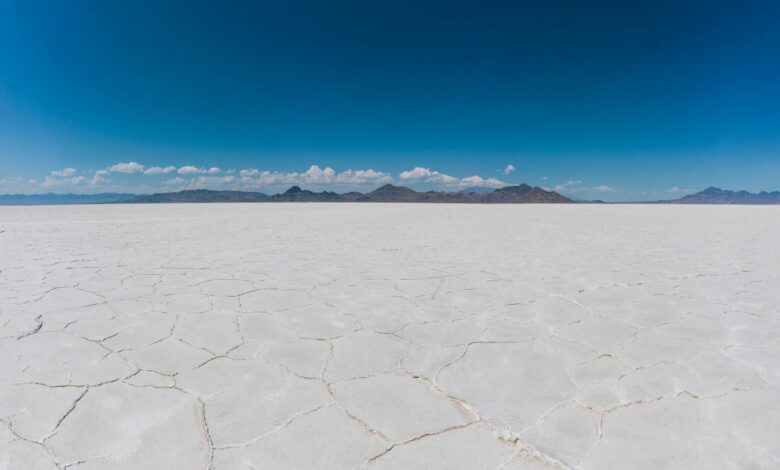
Two of the world’s largest mining corporations are locked in an intensifying contest over lithium-rich territory in Chile’s Atacama Desert, with Rio Tinto and BHP both pushing to secure long-term extraction rights as global demand for battery-grade lithium accelerates. The stakes are high, the politics are complicated, and neither company is backing down.
The Race to Lock Down Atacama’s Lithium Reserves
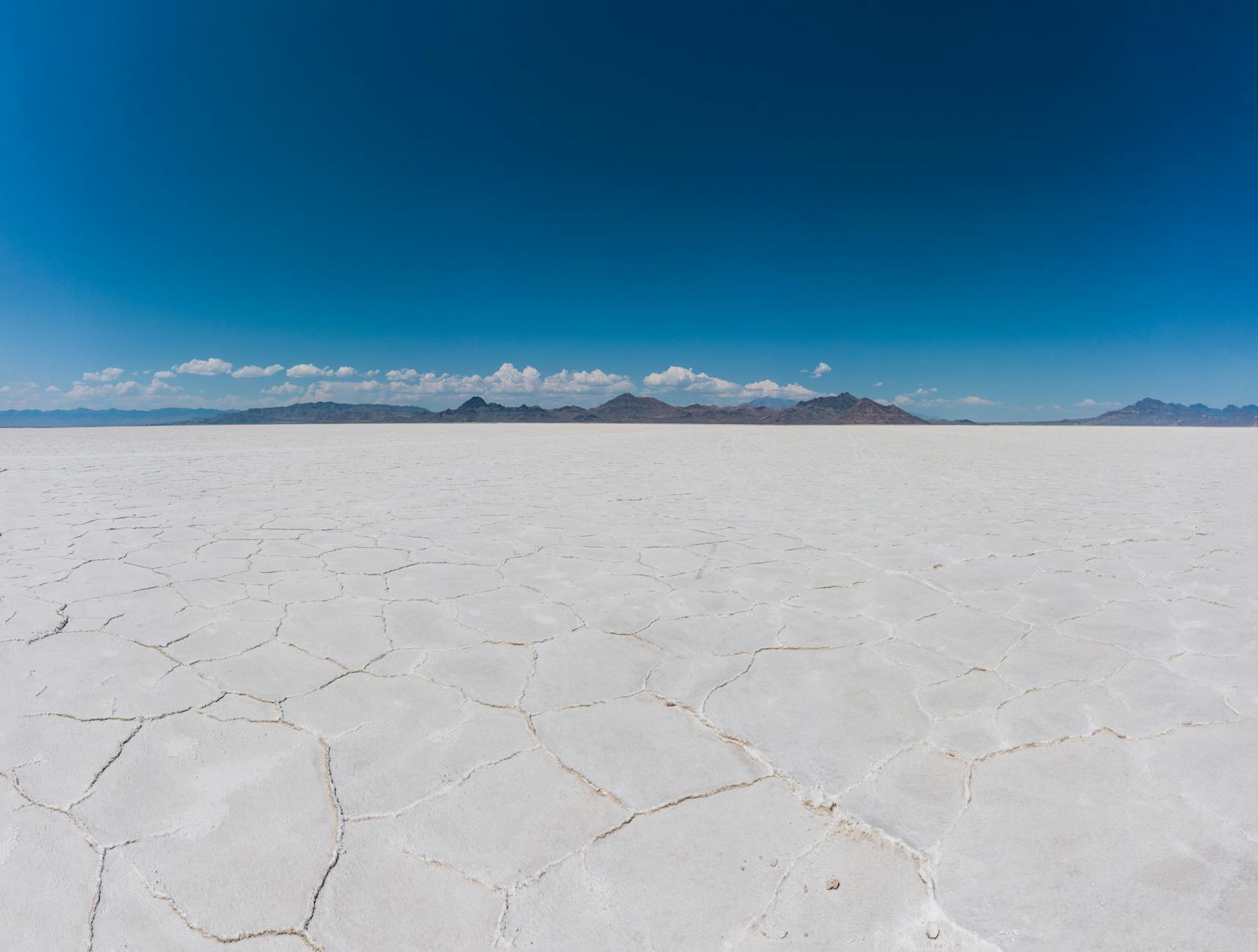
Chile holds the largest known lithium reserves on the planet, concentrated primarily beneath the salt flats of the Atacama. The region’s brine deposits are extraordinarily rich compared to hard-rock lithium sources found elsewhere, making extraction cheaper and faster once a company secures a foothold. That cost advantage is exactly why Rio Tinto and BHP have both intensified their lobbying efforts and technical assessments in the country over the past two years.
BHP has been working to position itself as a partner of choice for Chile’s state-owned copper and lithium operations, signaling interest in joint-venture structures that would give it access to processing infrastructure already in place. The company has framed its approach around local economic integration – a strategy designed to align with Chile’s national interest requirements rather than challenge them. It’s a calculated move, given how politically sensitive foreign mining investment has become in the country.
Rio Tinto’s approach has been more direct. The company has submitted formal expressions of interest through Chile’s National Lithium Strategy framework, which President Gabriel Boric introduced in 2023 to give the state greater control over lithium development while still allowing private participation. Under that structure, private firms can operate but only through agreements with state entities, a model that requires significant negotiation before a single ton of lithium moves anywhere.
Both companies are targeting the same window of opportunity. Chile’s government has set timelines for awarding new contracts and concessions, and the first formal decisions are expected to begin materializing before the end of this decade. Missing that window means watching competitors – including Chinese firms that have been operating in the Atacama for years – extend their lead in a supply chain that feeds electric vehicle batteries, grid storage systems, and consumer electronics worldwide.
Why This Fight Is More Complicated Than It Looks
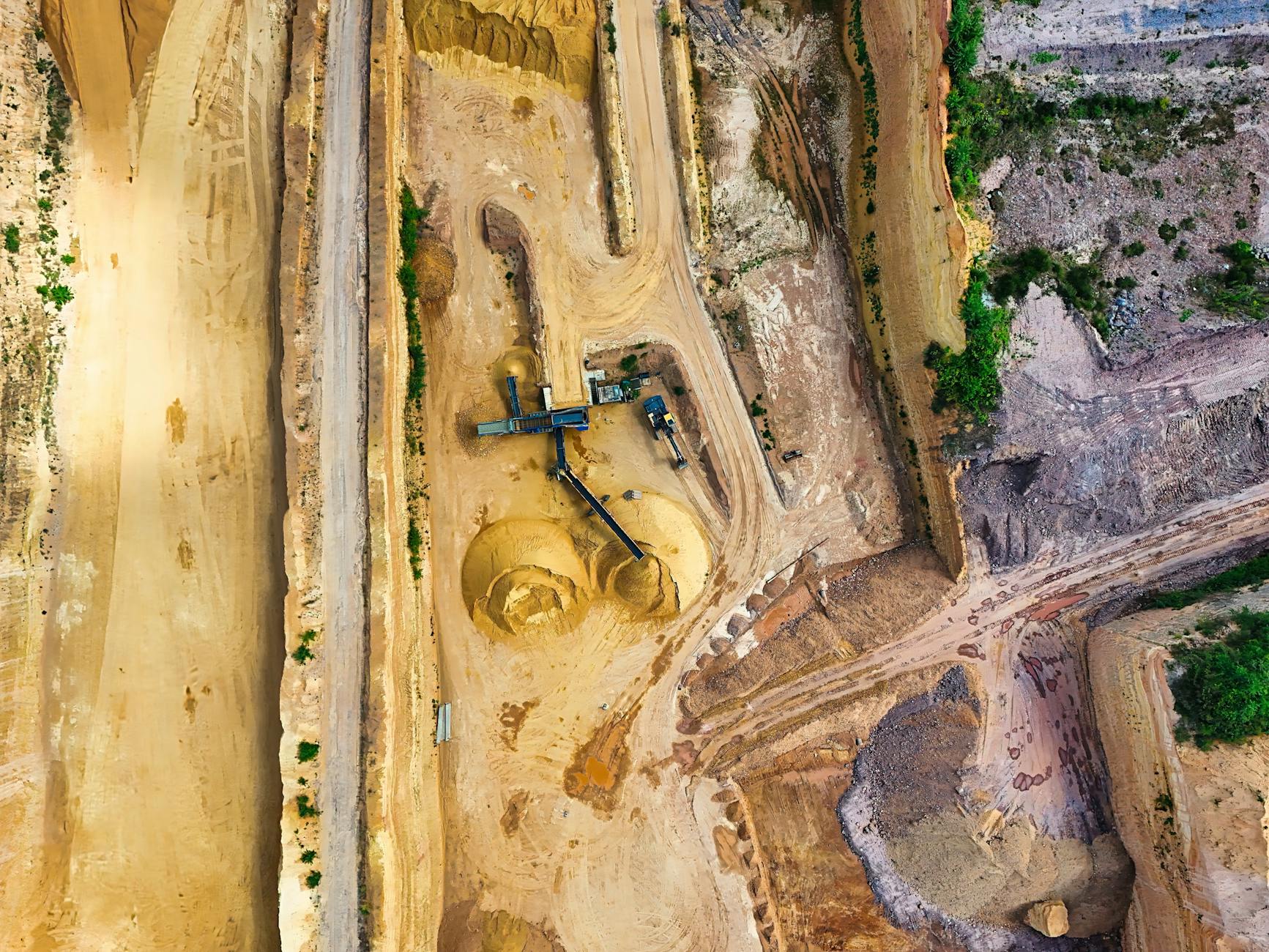
Chile’s lithium politics don’t operate in a vacuum. The Boric government’s nationalization-adjacent framework, which elevated Codelco and SQM’s state partner CORFO to central roles in any new lithium development, has created a regulatory environment where technical capability matters far less than political alignment. A company can have the best extraction technology available and still lose a contract because its proposed equity split doesn’t satisfy Santiago’s demands for state majority control.
That reality has forced both Rio Tinto and BHP to think less like mining companies and more like political negotiators. Each firm has brought in local advisory teams, engaged with indigenous Atacameno communities whose consultation rights are protected under Chilean law, and publicly committed to water-conscious extraction methods – a non-negotiable issue in one of the driest places on Earth. The Atacama’s water table is not just an environmental concern; it’s a legal and social flashpoint that has derailed projects before and will derail more if companies underestimate it.
The competition between the two companies is also shaping up as a proxy battle between their broader corporate strategies. BHP has been vocal about its ambition to make lithium a core part of its future portfolio, alongside copper, as it reduces exposure to coal. Rio Tinto, meanwhile, is working to recover credibility after its destruction of the Juukan Gorge sacred site in Australia in 2020 – a disaster that still shadows its community relations efforts globally. In Chile, where indigenous rights carry serious legal weight, that history is not easily forgotten by the communities whose sign-off the company needs.
Adding another layer of complexity, SQM – the dominant private lithium producer currently operating in the Atacama – recently extended its own contract with the Chilean government through 2030 and potentially beyond. That extension absorbs a large portion of the prime Atacama territory, leaving Rio Tinto and BHP competing over adjacent or secondary zones that may require more expensive development. The premium territory is largely spoken for; what remains is still valuable but demands higher upfront investment to prove viable at scale.
China’s Tianqi Lithium, which holds a significant stake in SQM, adds a geopolitical dimension that neither Western company can ignore. Western governments – including the United States, United Kingdom, and Australia – have been pressuring allied mining firms to secure supply chains outside Chinese influence. That political pressure translates directly into corporate urgency: Rio Tinto and BHP are not just competing with each other; they’re operating under quiet but real pressure from their home governments to succeed.
What Comes Next for Chile’s Lithium Future

Chile’s government faces its own pressure to move quickly. Slower contract awards mean slower revenue, and the country’s budget planning has increasingly factored in lithium royalties as a future income stream alongside copper. If the negotiation process drags into the early 2030s, Chile risks watching competing lithium producers in Argentina and Australia capture market share with Western automakers who need supply security now, not later.
For Rio Tinto and BHP, the outcome in Chile will say something significant about whether legacy mining giants can adapt to a world where resource nationalism is the default setting rather than the exception. Winning a contract here won’t just add lithium to a balance sheet – it will test whether either company has learned to operate in political environments where the host country holds most of the cards. What neither company has answered yet is how far they’re willing to bend on equity and control before walking away from the table entirely.