

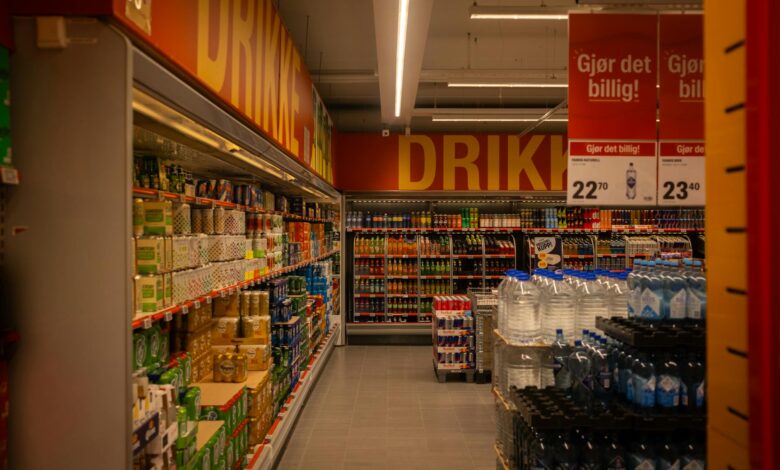
Amazon is pushing deeper into physical retail with a new wave of grocery stores under its Amazon Fresh banner, opening locations in markets where it previously had little to no brick-and-mortar presence. The move signals that the company’s ambitions in everyday consumer spending go well beyond its website.
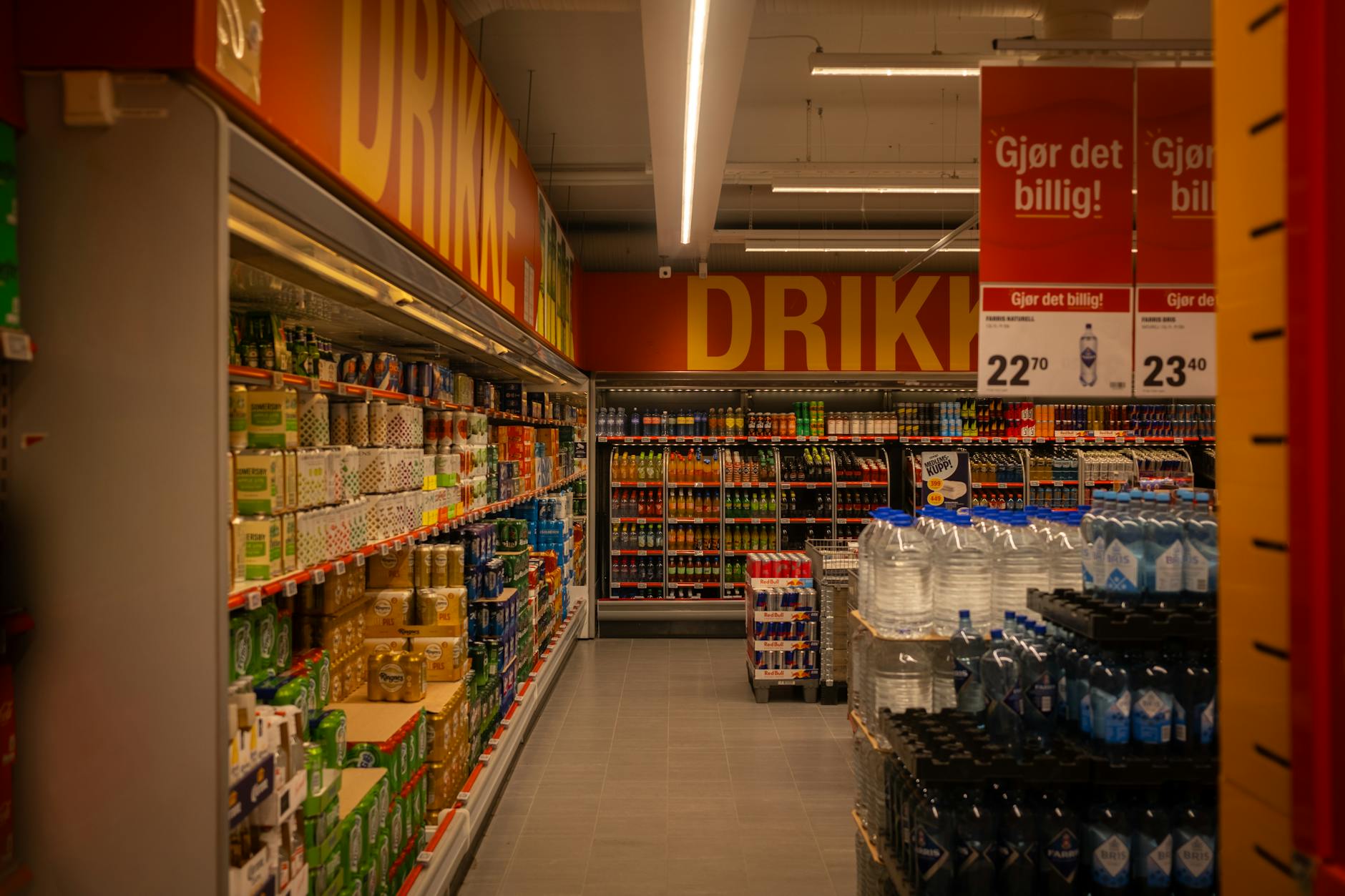
A Brick-and-Mortar Bet That Keeps Growing
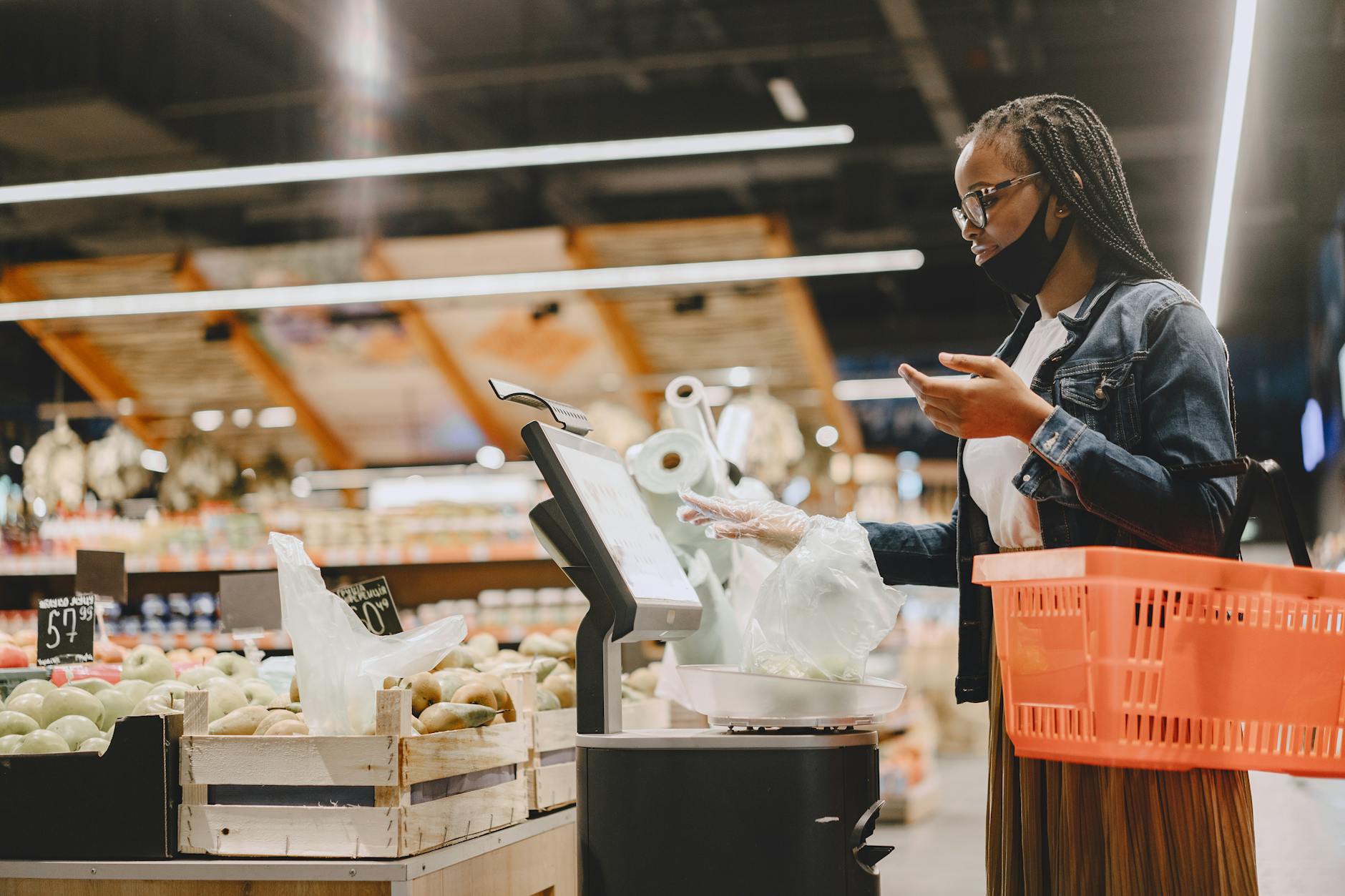
Amazon Fresh stores are designed differently from traditional supermarkets. The layouts tend to emphasize prepared foods, grab-and-go options, and a heavier concentration of Amazon-branded products alongside national grocery staples. Self-checkout is standard, and the locations are increasingly integrated with Amazon’s broader Prime membership ecosystem – meaning discounts, deals, and personalized offers are tied directly to a shopper’s account activity.
The expansion follows years of iteration. Amazon spent considerable time pulling back from earlier, more aggressive grocery rollout plans after the first generation of Fresh stores underperformed in some markets. The newer format stores reflect lessons learned from those stumbles: smaller footprints, sharper product selection, and a stronger emphasis on the digital-physical connection that Amazon’s logistics operation actually supports well.
What makes the Fresh format distinct from a standard grocery run is the degree to which the in-store experience feeds data back into Amazon’s retail engine. Every purchase, every skipped promotion, every repeated item builds a profile that shapes what a shopper sees online and what deals appear on their Prime account. That feedback loop is something a conventional grocer simply cannot replicate at the same scale or speed.
Amazon’s broader retail competition with Walmart has intensified on multiple fronts. The two companies are locked in a direct fight over same-day delivery dominance, and physical grocery is now another front in that same battle. Walmart’s grocery operations have long been a structural advantage – Amazon is methodically working to close that gap through store format, pricing strategy, and Prime integration.
Why the Fresh Format Works Differently Than Whole Foods
Amazon’s acquisition of Whole Foods in 2017 gave it immediate scale in the organic and premium grocery segment, but the customer base was narrow. Whole Foods shoppers skew toward higher-income households in urban and suburban markets, and the brand carries strong identity associations that limit how aggressively Amazon could overhaul the experience. Fresh stores carry none of those constraints. Amazon built the Fresh brand from scratch, which means it controls the pricing architecture, the store design, and the product mix without the burden of legacy brand expectations.
The two formats are also targeting different shopping occasions. A Whole Foods run often involves deliberate, destination shopping – someone going specifically for organic produce or a prepared dinner. Amazon Fresh is designed for the routine, repeatable grocery trip: restocking pantry items, picking up household staples, grabbing something fast for dinner. That kind of weekly utility is where grocery loyalty is actually built, and Amazon has historically struggled to own that behavior consistently.
Pricing strategy is central to how Amazon Fresh competes. Prime members get access to deals that non-members don’t, which creates a direct incentive to fold grocery spending into an existing Amazon relationship. For households already paying for Prime shipping and streaming, grocery discounts function as an additional justification for the annual fee. That bundling logic is deliberate – it turns the grocery store into another reason to stay inside the Amazon ecosystem rather than shop it occasionally.
The Fresh stores also carry Amazon’s own private-label grocery lines, which tend to offer lower price points than equivalent national brands. Private-label performance in grocery is a strong indicator of shopper trust – when customers choose a store’s own brand over a name-brand alternative, it means they’ve made a commitment to that retailer as a primary destination, not just a convenience stop. Amazon’s private-label grocery push is relatively young compared to Walmart or Kroger, but the Fresh format gives it physical shelf space to build that recognition faster than online-only sales could.
One variable that remains genuinely unsettled is whether Amazon Fresh can build the kind of emotional familiarity that traditional grocery chains have earned through decades of local presence. A neighborhood grocery store carries associations that no amount of algorithm optimization can manufacture quickly. Amazon is betting that enough price advantages, Prime integration, and convenient locations will eventually substitute for that kind of familiarity – and in some markets, the early returns suggest that bet is paying off.
What the Expansion Means for Grocery Competition
For regional and mid-size grocery chains, the Fresh expansion is a harder pressure point than Whole Foods ever was. Whole Foods competes in a relatively defined premium lane. Fresh stores compete across a wider price range in the same aisles where most Americans actually do their weekly shopping. Chains that built durable local loyalty over generations are now watching a company with nearly unlimited logistics infrastructure open stores in their markets and offer instant Prime discounts to every shopper who walks through the door.
Amazon has not announced a specific number of new Fresh locations on any fixed public timeline, which is consistent with how the company tends to expand physical retail – quietly, with enough flexibility to pause or accelerate depending on what the data shows. The stores already open in suburban markets across the U.S. are functioning as a real-world testing environment, and every operational adjustment made in one location feeds directly into how the next one opens. The question isn’t whether Amazon will keep opening Fresh stores – it’s how quickly the format can reach the kind of scale where the data advantages it generates become genuinely difficult for traditional grocers to compete against.
Frequently Asked Questions
How is Amazon Fresh different from Whole Foods?
Amazon Fresh targets everyday grocery shopping with broader price points and Prime member discounts, while Whole Foods focuses on premium and organic products for a narrower customer base.
Do you need an Amazon Prime membership to shop at Amazon Fresh stores?
No, but Prime members receive exclusive in-store discounts and deals tied to their accounts, making membership a significant pricing advantage at Fresh locations.