

What You Need to Know
Airbnb built its reputation on where people sleep. Now it wants to own what they do while awake. The company’s Experiences platform – where local hosts offer cooking classes, surf lessons, guided hikes, and more – has quietly grown into a direct competitor to tour and activity marketplaces like GetYourGuide, which has spent years building relationships with professional operators and major attractions. The difference is not just business model. It is philosophy. GetYourGuide connects travelers to established tour companies. Airbnb connects them to individuals. That distinction is reshaping how travelers shop for activities – and what they expect when they show up.
If you are a traveler trying to decide between these two platforms, or a tour operator figuring out where to list your offerings, this guide walks through exactly how each platform works, where each one wins, and how to use that knowledge to your advantage.

Step 1: Understand What Each Platform Is Actually Selling
Before comparing prices or reviews, you need to understand the structural difference between Airbnb Experiences and GetYourGuide. They look similar on the surface – both sell things to do in a given city. But the product being sold is completely different.
GetYourGuide operates as an aggregator and booking engine for professional tour operators. You will find skip-the-line Vatican tickets, Colosseum group tours, multi-day Sahara treks, and hop-on-hop-off bus passes. These are commercial products with inventory management, professional guides, and liability structures. The operators are businesses.
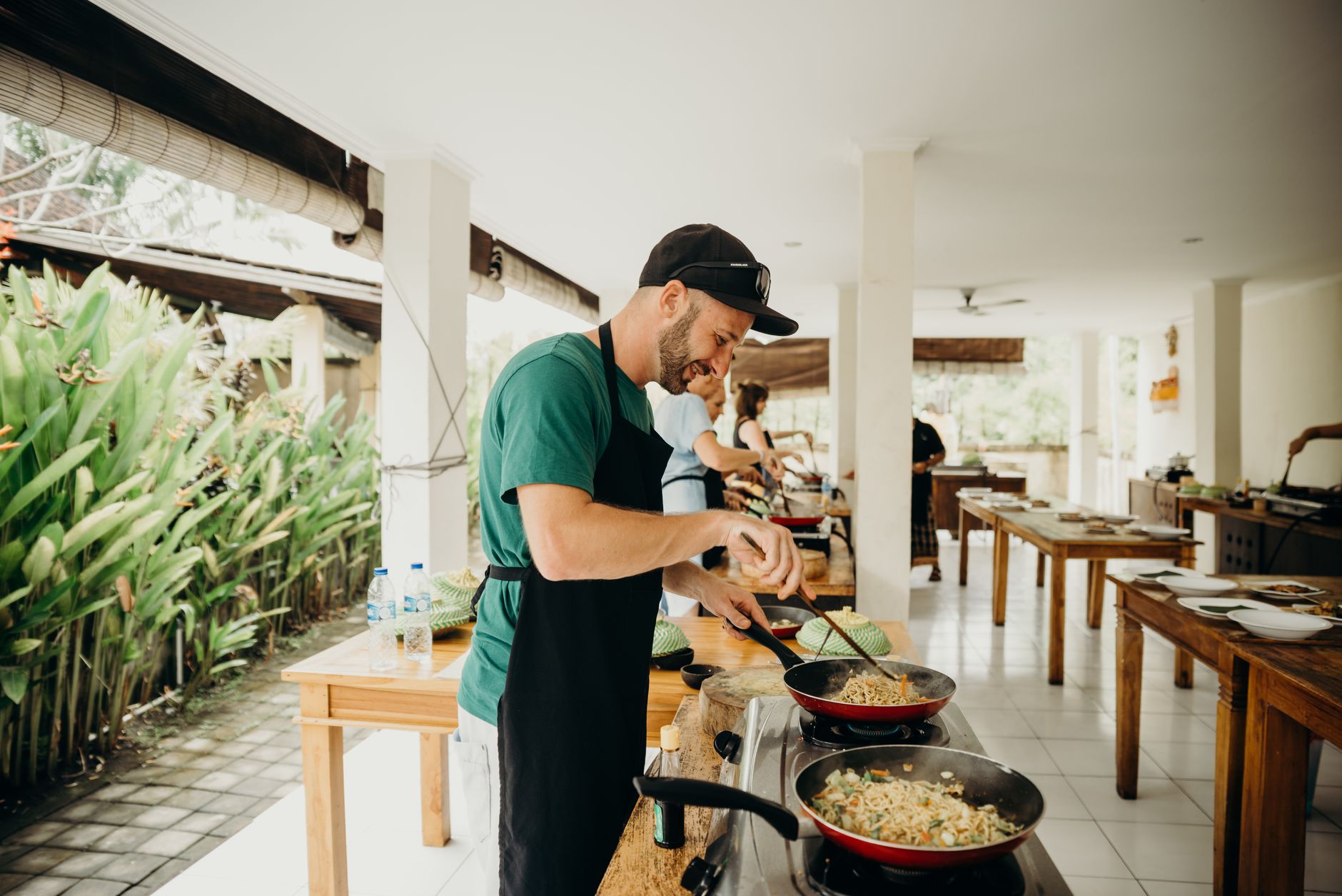
Airbnb Experiences are hosted by individuals – a retired chef teaching pasta from her grandmother’s recipe, a local musician leading a jazz bar crawl, a former fisherman taking guests out before sunrise. Hosts apply, Airbnb vets them, and listings go live if approved. The product is personal access, not polished logistics. That framing matters because it tells you what each platform is actually optimized for – and what each one consistently gets wrong.
Step 2: Match Your Traveler Profile to the Right Platform
Not every traveler should use the same platform. The choice depends on what you value most.
- If you want reliability and scale: GetYourGuide is the safer bet. Its operators run tours daily, have backup guides, and process cancellations professionally. If your group of twelve needs guaranteed entry to a major landmark, that structure matters.
- If you want access and intimacy: Airbnb Experiences tends to deliver something GetYourGuide cannot – the feeling that you are doing something few other tourists are doing. A ceramics class with six people in a working studio, taught by the artist who lives there, does not exist on GetYourGuide’s inventory.
- If you are price-sensitive: Compare directly. Airbnb Experiences sometimes run higher per-person costs because of small group sizes and host-set pricing. GetYourGuide often wins on per-ticket price for popular attractions, but their “budget” options can feel generic.
- If you are traveling solo: Airbnb Experiences can double as social events. Many solo travelers book them specifically because joining a small group activity is a low-pressure way to meet people. That social dimension is built into the product.
Step 3: Evaluate the Operator, Not Just the Listing
On GetYourGuide, operator quality varies enormously. A five-star rating on a walking tour can mean a genuinely exceptional guide or simply a company that has been running long enough to accumulate reviews. Read recent reviews, not aggregate scores. Look for comments about the specific guide, not just the itinerary. A great route with a disengaged guide is a forgettable afternoon.
On Airbnb Experiences, the host is the product. Click through to their host profile. How long have they been on the platform? What does their main Airbnb profile look like, if they also rent accommodations? Cross-reference their experience listing with their bio. A legitimate local expert usually has a consistent story across their profile. Be skeptical of new hosts with polished marketing copy and no reviews – the vetting process exists, but it is not a guarantee of quality.
Step 4: Know Where GetYourGuide Still Wins – and Why That Hold Is Slipping
GetYourGuide’s core strength is inventory depth for major attractions. If you need timed-entry tickets to the Uffizi Gallery, or a specific guided tour that requires official accreditation inside a national park, GetYourGuide has built the operator relationships and technical infrastructure to deliver that at scale. Airbnb Experiences cannot replicate this because individual hosts cannot access institutional ticketing systems or hold commercial guide licenses for restricted sites.
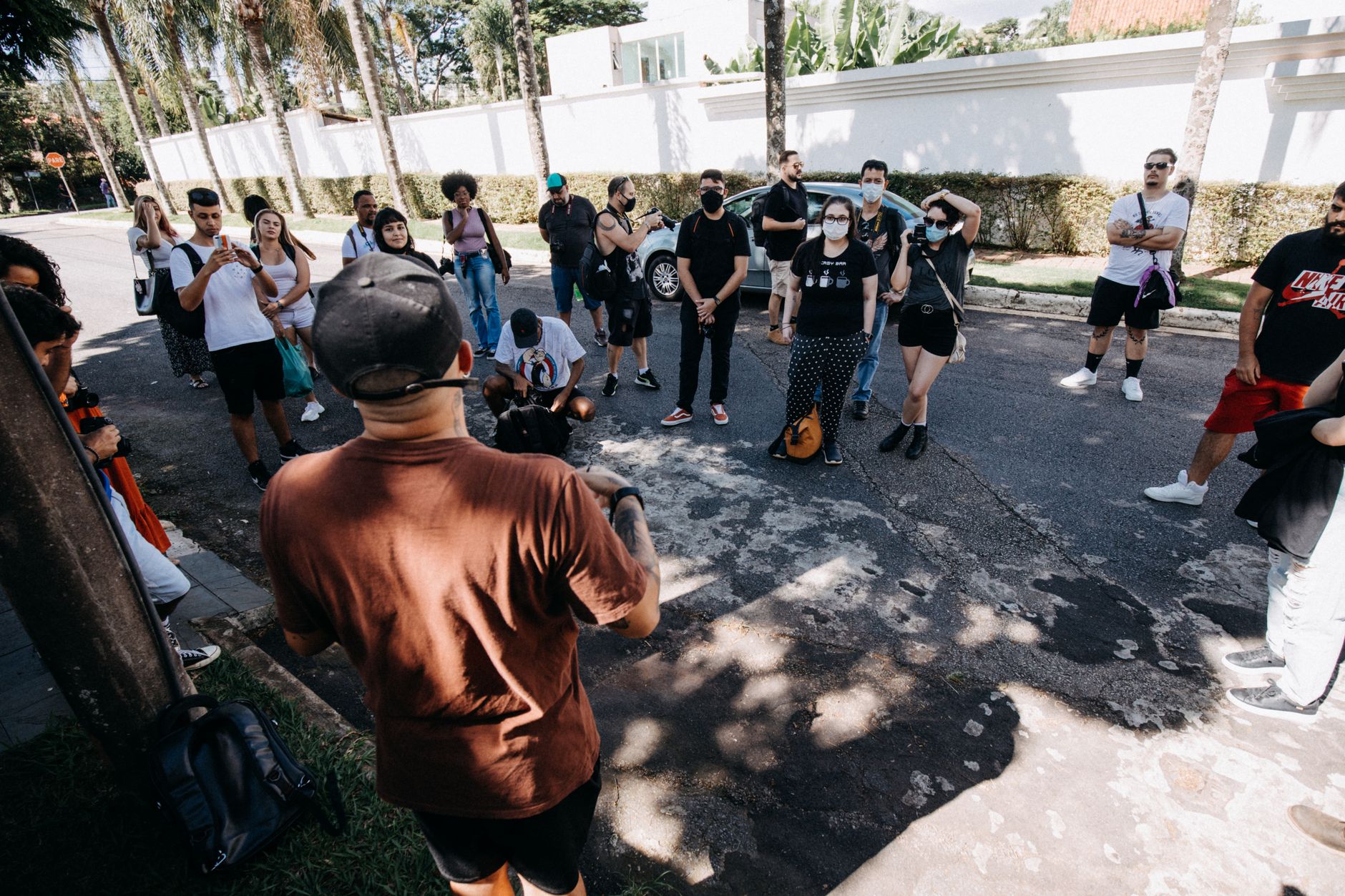
But that advantage only holds inside a narrow category. For anything that does not require official access – food tours, craft workshops, fitness experiences, walking tours of neighborhoods, cultural demos – Airbnb Experiences is eating into GetYourGuide’s market. The reason is straightforward: travelers increasingly want something that feels personal rather than packaged. Airbnb’s model produces that feeling by design, not by accident. GetYourGuide’s operators can try to replicate it with “local” branding, but a company running fifteen tours a day has structural limits on how intimate any of them can feel.
A growing number of boutique operators are now listing on both platforms simultaneously, a sign that neither has fully captured the middle ground between scale and personality.
Step 5: Use Both Platforms Strategically in the Same Trip
The most practical approach for frequent travelers is not loyalty to one platform but strategic use of both within a single trip.
- Use GetYourGuide for logistically complex activities: multi-day tours, ticketed attractions, or anything requiring advance coordination with a third-party venue.
- Use Airbnb Experiences for smaller, people-centered activities: a home cooking class, a photography walk, a local music session.
- Book GetYourGuide experiences early, especially in peak seasons when timed-entry slots sell out weeks in advance.
- Book Airbnb Experiences closer to your arrival when possible – hosts often add sessions based on demand, and you can message them directly to ask questions before committing.
- Check both platforms for the same category before booking. A “food tour” on GetYourGuide might be a commercial walking tour with snack stops. The same search on Airbnb Experiences might surface a family cooking dinner in their actual home. Those are not interchangeable products, but the price difference will tell you which one is which.
Step 6: If You Are an Operator, Rethink Where You List
Tour operators have historically treated GetYourGuide as the obvious distribution channel for reaching international travelers. That logic still holds for large-volume commercial tours. But for operators running small-group premium experiences, Airbnb’s platform offers something different: a customer base that is already primed to trust individuals over institutions.
The trade-off is visibility. GetYourGuide’s search infrastructure and Google partnership give it enormous reach. Airbnb Experiences is discoverable mostly within the Airbnb app ecosystem, which means your audience is travelers who are already using Airbnb for accommodation. That audience is large but not universal. Listing on both platforms creates pricing parity issues you will need to manage, but it also hedges against the risk of any single platform changing its commission structure or algorithm without warning.
Key Takeaways
Airbnb Experiences did not set out to defeat GetYourGuide. It set out to solve a different problem – what do you do in a place when you want to feel like you belong there rather than pass through it. The fact that this philosophy now competes directly with GetYourGuide’s business is a consequence of where traveler appetite has moved, not the result of a direct strategic attack.
GetYourGuide’s hold on the professional operator space is real and will not evaporate. Its API integrations, supplier network, and brand trust with attraction partners took years to build. But in the fast-growing category of intimate, human-led experiences, Airbnb has structural advantages that operator relationships alone cannot neutralize.
- For travelers: Stop thinking of these as competing apps for the same product. They are different tools. Use them that way.
- For operators: Platform loyalty is a liability. Your distribution strategy should match your product type, not default to whoever has the longest track record.
- For the market: The pressure Airbnb is applying to GetYourGuide mirrors a pattern visible elsewhere in tech – a platform that already has consumer trust in one category quietly extending into adjacent ones. Palantir’s expansion into government AI follows similar logic: once you own the relationship, adjacent territory becomes accessible without starting from zero.
The real question for GetYourGuide is not whether Airbnb will take its market share in packaged tours. It will not. The question is whether the category that Airbnb is defining – personal, host-led, one-of-a-kind – eventually becomes the thing travelers mean when they say they want an “experience.” If that vocabulary shift happens, GetYourGuide’s brand name becomes a problem before its business model does.