

When Xi Jinping travels to Europe, trade policy stops being abstract. Tariffs, market access disputes, and diplomatic pressure collide in real time – and the current visit is arriving at a moment when the EU-China commercial relationship has rarely been more volatile or more consequential.

A Visit Loaded With Economic Weight
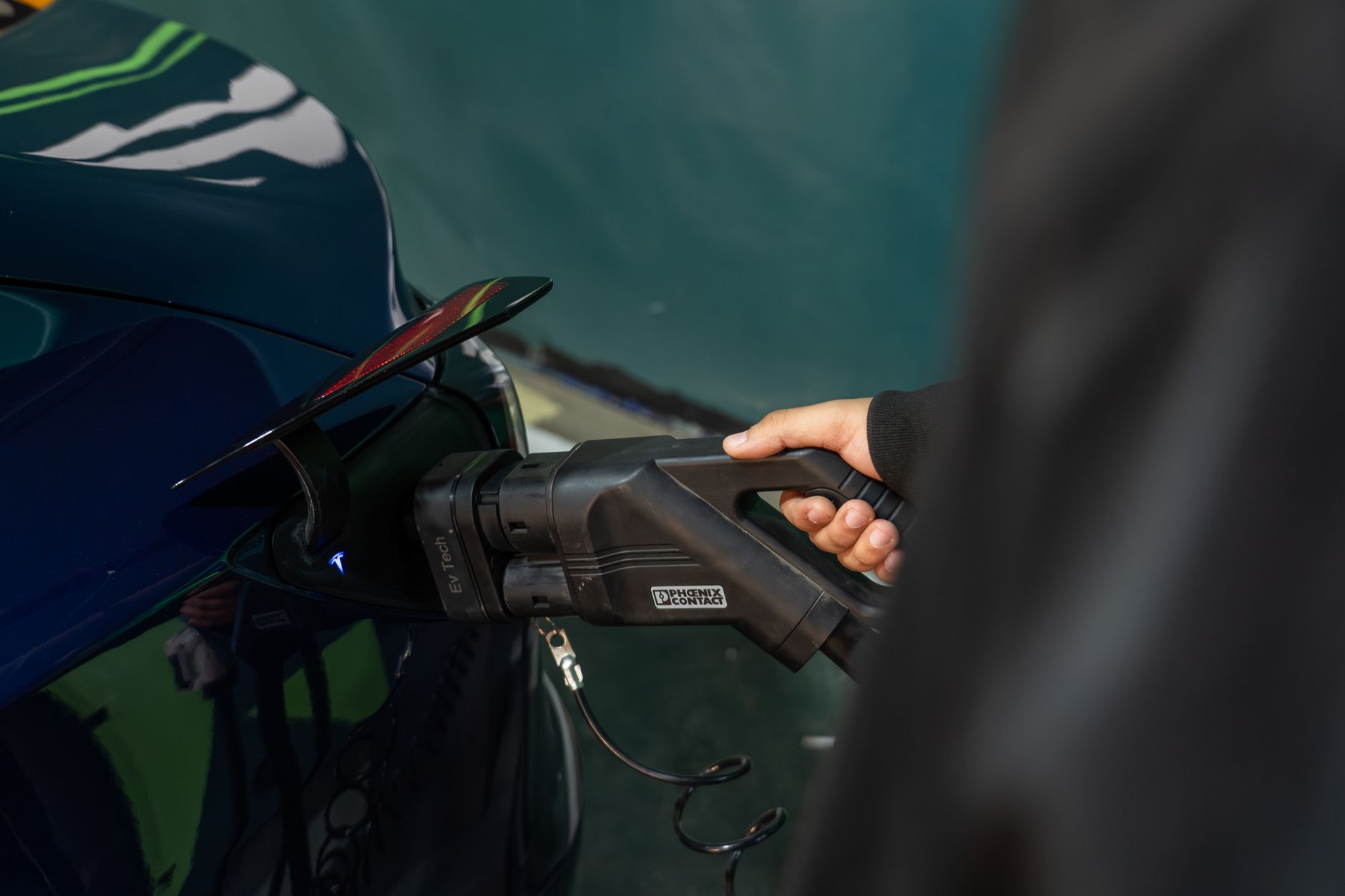
The backdrop to this state visit is a European Union that has spent the past two years building a more assertive trade posture toward Beijing. Anti-subsidy investigations into Chinese electric vehicles, solar panels, and wind turbine components have moved from preliminary stages to formal determinations, with the EU imposing additional tariffs on Chinese-made EVs that took effect in late 2024. That decision alone injected a sharp tension into bilateral relations that no amount of diplomatic language has fully dissolved.
Xi’s visit carries the implicit goal of stabilizing those relations before they calcify into something more adversarial. Beijing has consistently framed the EV tariffs as protectionist overreach, arguing that Chinese manufacturers compete on genuine efficiency and scale rather than unfair state support. The EU’s position, backed by its own investigation methodology, holds otherwise. Neither side has blinked, which means this visit is less about resolving that specific dispute and more about managing the temperature around it.
Several European capitals are receiving Xi with a carefully calibrated mix of engagement and wariness. France, which has been among the more vocal advocates for a tougher EU stance on Chinese industrial policy, is balancing that position against its interest in maintaining commercial access to China’s vast consumer market. Germany, whose automakers still derive enormous revenue from Chinese sales despite rising domestic competition from local EV brands, is navigating its own internal contradictions. The visit touches each of those fault lines directly.
What makes this moment different from earlier diplomatic rounds is the speed at which China’s industrial capacity has grown relative to European expectations. A decade ago, European manufacturers broadly welcomed Chinese market growth as opportunity. Now many of those same manufacturers are watching Chinese competitors arrive in their home markets, backed by production cost structures that European factories cannot easily match. That shift in competitive reality has changed what European leaders want from bilateral talks – and what they are willing to offer in return.
The Trade Truce’s Fragile Architecture
The phrase “trade truce” overstates the current peace. What exists between Europe and China is closer to a managed standoff – enough formal dialogue to prevent full escalation, but not enough genuine concession on either side to call it resolution. Xi’s visit tests whether that architecture can hold under the weight of specific grievances without either side forcing a confrontation neither wants right now.
One of the central pressure points is market reciprocity. European companies operating in China have long cited barriers that their Chinese counterparts do not face when operating in Europe – forced technology transfers in certain sectors, unequal regulatory treatment, and restricted access in areas where European firms would otherwise be competitive. Beijing has offered incremental gestures on market opening in previous rounds of dialogue, but European business groups have repeatedly found those gestures insufficient in practice. The gap between announced policy and operational reality in the Chinese market remains a consistent frustration for European chambers of commerce.
On the Chinese side, the grievance centers on what Beijing characterizes as European trade remedy actions being used as strategic tools rather than legitimate corrective measures. The EV tariff investigation, in particular, is viewed by Chinese officials as part of a broader Western effort to contain China’s industrial rise rather than a good-faith application of trade law. That framing matters because it shapes how Beijing approaches any negotiated resolution – not as a technical trade question, but as a sovereignty and strategic positioning issue.
There is also a parallel dynamic involving critical minerals and supply chain dependencies that neither side fully wants to confront openly. Europe’s green energy transition requires materials – lithium, rare earths, processed battery components – where Chinese suppliers currently hold dominant positions. Any trade deterioration that disrupts those supply chains would slow European climate commitments in ways that are politically costly. Beijing is well aware of this leverage, even if it is rarely invoked explicitly in public diplomatic exchanges.
Some EU member states with significant Chinese investment presence are more reluctant than others to push hard on trade compliance. This internal EU division is something Beijing has consistently worked to exploit – engaging bilateral with individual member states in ways that complicate the bloc’s ability to maintain a unified front. The visit’s stop sequence and the level of access granted to different national leaders will itself be read as a signal about which relationships Beijing is prioritizing.
What Either Side Can Actually Win
The realistic outcome of this visit is not a comprehensive trade deal – those take years of negotiation – but a set of signals about whether dialogue channels remain open and whether both sides can resist domestic political pressure to escalate. For Xi, a successful European visit provides useful counternarrative to the image of China becoming isolated from major Western economies. For European leaders, visible engagement with China allows them to argue they are pursuing a balanced strategy rather than simply aligning with U.S. trade policy toward Beijing.
The harder question is whether this kind of high-level diplomacy can keep pace with the economic forces actually reshaping the relationship. Chinese EV manufacturers are not waiting for diplomatic resolution before expanding into European markets. European policymakers are not pausing trade remedy investigations while talks proceed. The commercial and political tracks are moving simultaneously, and the outcomes on one track increasingly constrain what is possible on the other. If a major European automaker announces further production cuts citing Chinese competition in the weeks following this visit, no diplomatic communique will absorb that political shock.
Frequently Asked Questions
Why is Xi Jinping visiting Europe now?
The visit aims to stabilize EU-China trade relations amid rising tensions over EV tariffs and anti-subsidy investigations, while signaling China’s continued diplomatic engagement with major Western economies.
What are the main trade disputes between the EU and China?
Key disputes include EU tariffs on Chinese electric vehicles, market access barriers faced by European firms in China, and disagreements over state subsidy practices in Chinese industrial sectors.