

Walmart’s drones are buzzing over farmhouses and small towns across America, carrying everything from prescription medications to birthday cakes. The retail giant has quietly expanded its drone delivery program to over 60 locations nationwide, focusing on rural communities where traditional delivery options remain limited and customers often drive miles for essential items.
The program represents a significant shift in how America’s largest retailer approaches last-mile delivery, particularly in areas where traditional shipping faces geographic and economic challenges. Unlike urban drone experiments focused on speed and convenience, Walmart’s rural initiative addresses genuine access issues in communities where the nearest store might be 30 minutes away.

Bridging the Rural Delivery Gap
Walmart’s drone network serves communities across Arkansas, Arizona, Florida, Texas, Utah, and Virginia, with each location capable of delivering items within a six-mile radius. The service operates through partnerships with drone technology companies including Wing, DroneUp, and Zipline, each bringing different capabilities to the program.
Rural customers can order items weighing up to 10 pounds through Walmart’s app or website, with delivery times averaging 30 minutes from order to doorstep. The service covers health and wellness products, household essentials, and select grocery items – addressing critical needs in areas where pharmacy access and emergency supply runs present real challenges.
“We’re seeing customers use drone delivery for items they need immediately,” said a Walmart spokesperson. “Prescription refills, baby formula, and emergency household items represent the majority of rural drone orders.”
The program has adapted to rural geography in ways urban drone services haven’t needed to consider. Delivery zones account for agricultural land, livestock areas, and varying property sizes. Pilots work with local authorities to navigate airspace restrictions around small airports and ensure safe operations near farming equipment and rural infrastructure.
Technology Meets Agricultural Reality
Each drone delivery operation requires coordination with local weather patterns, farming schedules, and seasonal access issues. Wing’s drones use tethered delivery systems that lower packages without landing, while DroneUp focuses on hub-and-spoke models serving multiple rural communities from central locations.
The technology has proven particularly valuable during severe weather events when road access becomes limited. During recent flooding in Arkansas and Texas, drone deliveries continued operating when traditional delivery trucks couldn’t reach isolated communities.
Walmart has invested in weather-resistant packaging and temperature-controlled containers for items requiring specific storage conditions. The retail giant has also developed partnerships with local healthcare providers to ensure prescription deliveries meet regulatory requirements across different states.
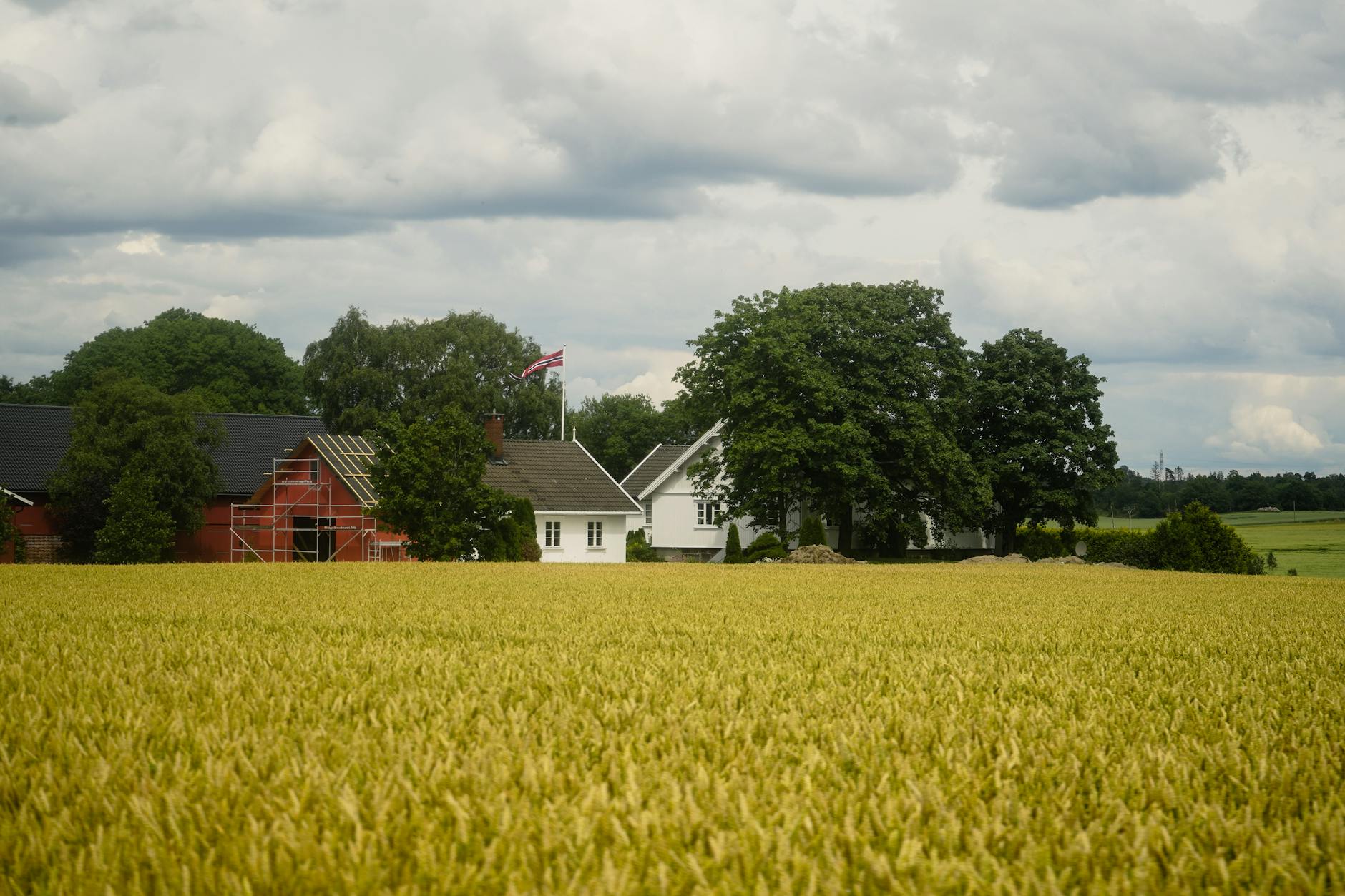
Customer adoption patterns in rural areas differ significantly from urban markets. Rural users tend to place larger, more essential orders rather than impulse purchases, and they often coordinate deliveries with neighbors to maximize efficiency. Some farming communities have designated common delivery areas to serve multiple households within the service radius.
Economic Impact on Small Communities
The expansion reflects broader changes in rural commerce as traditional small-town retailers face increasing pressure from online shopping trends. Walmart’s drone program provides access to essential items without requiring lengthy trips to larger population centers, potentially reducing the economic drain of travel time and fuel costs for rural residents.
Local economic impact varies by community. Some small retailers view drone delivery as additional competition, while others see opportunities for partnership in specialized services drones cannot provide. The program has created local employment opportunities in drone operations, maintenance, and logistics coordination.
Regional healthcare systems have begun integrating drone delivery into patient care plans, particularly for elderly residents managing chronic conditions requiring regular medication. Several communities report reduced emergency room visits for non-urgent prescription needs since drone delivery became available.
The service has proven especially valuable for agricultural workers during busy seasons when leaving work sites for supply runs disrupts productivity. Farm managers report using drone delivery for safety equipment, basic medical supplies, and maintenance items needed immediately.
Technology companies are closely monitoring Walmart’s rural program as similar competition emerges. Major tech transitions in delivery logistics mirror broader industry shifts toward localized automation, though rural applications face unique regulatory and infrastructure challenges.
Challenges and Future Expansion
Operating drone delivery in rural areas presents obstacles urban programs rarely encounter. Weather patterns in agricultural regions can be more severe and unpredictable. Wildlife interference, particularly bird strikes, requires different mitigation strategies than urban environments.
Regulatory compliance varies significantly across rural jurisdictions, with some counties having limited experience overseeing drone operations. Walmart works with local authorities to establish protocols and safety procedures appropriate for each community’s specific needs.
The Federal Aviation Administration continues updating regulations for commercial drone operations, with rural delivery programs providing valuable data for future policy development. Current regulations limit operations to daylight hours and require visual line of sight in many areas, constraining service availability.
Infrastructure development remains ongoing, with Walmart investing in charging stations, maintenance facilities, and communication networks supporting expanded rural operations. The company reportedly plans to double its rural drone delivery locations within the next year, though specific expansion details remain confidential.
Customer feedback drives program improvements, with rural users requesting expanded weight limits for bulk items and extended delivery hours for agricultural schedules. Walmart continues refining its logistics algorithms to account for seasonal demand patterns unique to farming communities.
Competition in rural drone delivery is emerging as other retailers recognize the market opportunity. Amazon has announced similar rural initiatives, while regional grocers explore partnerships with drone technology providers to serve their customer bases.
Walmart’s rural drone program demonstrates how established retailers are adapting to serve underserved markets through emerging technology. The success of these operations will likely influence broader adoption of drone delivery across industries, potentially reshaping rural commerce and community access to essential services. As regulatory frameworks evolve and technology improves, drone delivery may become as common in rural America as traditional mail routes once were.
Frequently Asked Questions
How far can Walmart drones deliver in rural areas?
Walmart drones deliver within a six-mile radius of participating locations, covering items up to 10 pounds with 30-minute average delivery times.
What items can be delivered by Walmart drones to rural communities?
The service covers prescription medications, health and wellness products, household essentials, and select grocery items weighing up to 10 pounds.