


Two neighboring nations forge a groundbreaking partnership that could reshape Eastern European defense capabilities. Ukraine and Poland have signed a comprehensive defense technology sharing agreement, marking the most significant military cooperation pact between the countries since the conflict began.
The agreement, signed during a closed-door meeting in Warsaw, establishes frameworks for joint development of defense systems, intelligence sharing protocols, and coordinated training programs. Polish Defense Minister Mariusz Blaszczak and his Ukrainian counterpart Rustem Umerov described the partnership as “essential for regional stability” and a “new chapter in bilateral defense relations.”
This historic accord comes as both nations face evolving security challenges and seek to strengthen their defensive capabilities through collaboration rather than competing independently for resources and technology.

Strategic Defense Technology Exchange
The agreement encompasses several critical areas of military cooperation. Both countries will share expertise in drone technology development, cyber defense systems, and advanced radar capabilities. Poland brings its NATO-standard infrastructure and Western defense partnerships, while Ukraine contributes battle-tested experience and innovative field adaptations developed during recent conflicts.
Under the new framework, joint research facilities will be established in both countries, focusing on developing next-generation defense technologies. These facilities will operate with shared funding models and combined research teams, allowing both nations to leverage their respective strengths.
The pact also includes provisions for technology transfer in areas where each country has developed specialized capabilities. Poland’s expertise in missile defense systems and Ukraine’s innovations in electronic warfare will be shared through controlled channels, ensuring both nations benefit from collective knowledge.
Intelligence sharing represents another cornerstone of the agreement. Both countries will coordinate threat assessments, share early warning systems, and develop joint response protocols for potential security challenges. This cooperation extends beyond traditional military intelligence to include cyber threat monitoring and defense against hybrid warfare tactics.
Training Programs and Military Cooperation
Beyond technology sharing, the agreement establishes comprehensive training exchange programs. Ukrainian military personnel will participate in NATO-standard training exercises in Poland, while Polish officers will gain exposure to modern conflict scenarios through Ukrainian expertise.
Joint military exercises will become regular occurrences under this partnership. These exercises will focus on interoperability between the two armed forces, ensuring seamless cooperation during potential joint operations. The training programs will cover everything from basic military procedures to advanced tactical coordination.
The agreement also creates pathways for sharing best practices in military logistics and supply chain management. Both countries recognize that effective defense requires not just advanced weapons systems but also robust support infrastructure.
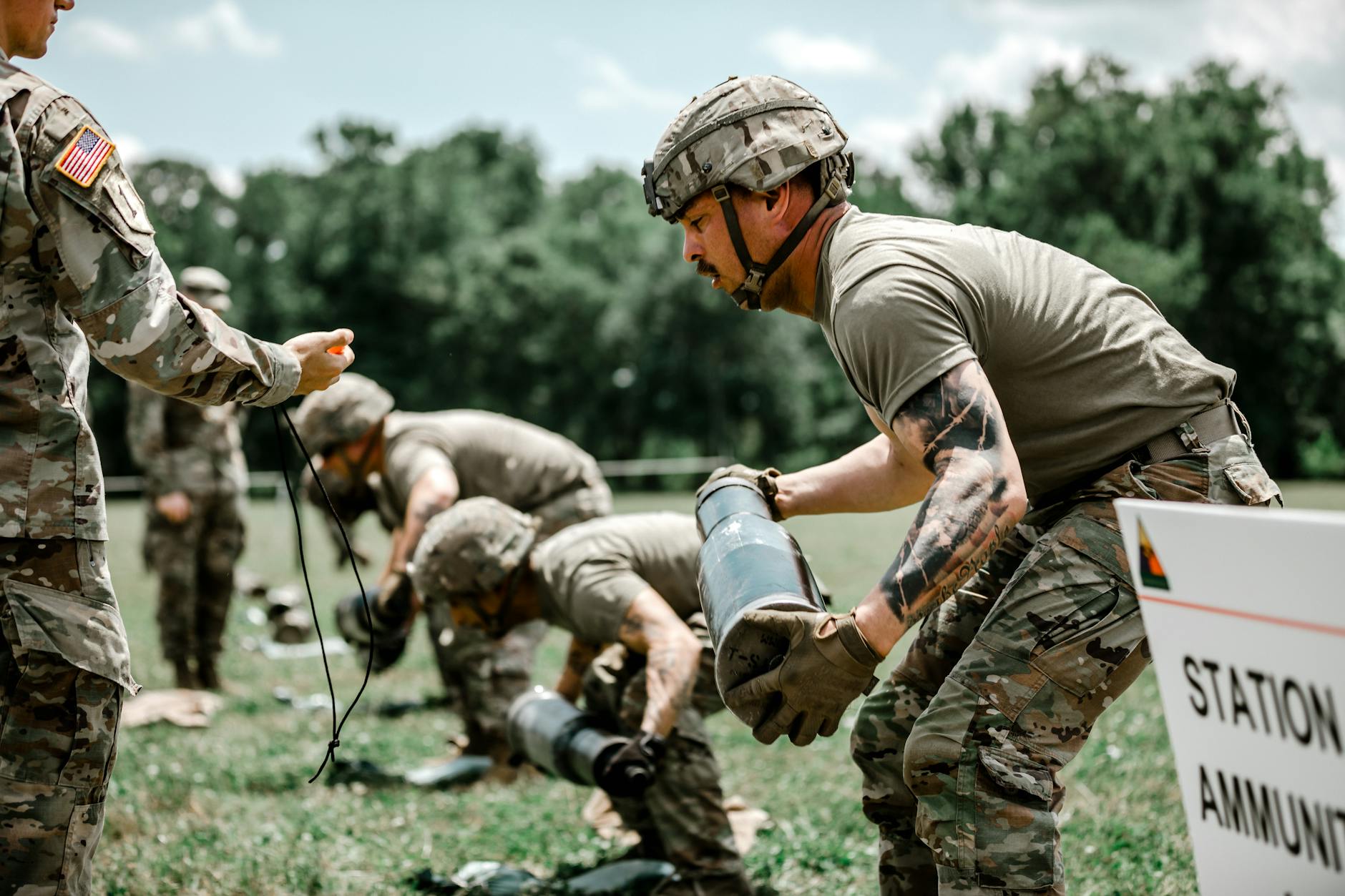
Language barriers and communication protocols receive special attention in the training frameworks. Standardized communication systems and bilingual training materials will ensure effective coordination during joint operations and exercises.
Economic and Industrial Implications
This defense partnership extends beyond military cooperation into economic collaboration. Both countries plan to develop joint defense manufacturing capabilities, creating new industrial opportunities and reducing dependence on external suppliers for critical defense components.
Polish defense companies will gain access to Ukrainian innovation in areas like battlefield communications and adaptive armor systems. Ukrainian manufacturers will benefit from Polish expertise in precision manufacturing and quality control systems that meet NATO standards.
The agreement includes provisions for joint procurement programs, allowing both nations to leverage collective purchasing power when acquiring defense equipment from third-party suppliers. This approach could significantly reduce costs while ensuring compatibility between their respective military systems.
Investment flows between the two countries are expected to increase as defense companies explore partnership opportunities. Joint ventures in areas like unmanned systems development and electronic warfare capabilities are already being discussed by industry leaders.
Regional suppliers and manufacturers may also benefit from increased demand for specialized components and materials needed for joint defense projects. The partnership could stimulate broader industrial development in both countries’ defense sectors.
Regional Security and International Context
This bilateral agreement fits into broader patterns of regional security cooperation. Similar to diplomatic developments elsewhere, such as Israel and Saudi Arabia resuming diplomatic talks after two year pause, nations are recognizing the value of strengthened partnerships in uncertain times.
The Poland-Ukraine defense partnership could serve as a model for other regional cooperation agreements. Several Eastern European nations have expressed interest in similar bilateral defense arrangements, particularly in areas of cyber security and hybrid threat response.
NATO officials have welcomed the agreement, noting that enhanced cooperation between member and partner nations strengthens overall alliance capabilities. The partnership aligns with NATO’s emphasis on burden-sharing and regional responsibility for collective defense.

The timing of this agreement reflects both countries’ recognition that traditional security challenges have evolved. Modern threats require rapid adaptation and innovative responses that benefit from shared expertise and resources.
Looking ahead, this historic defense technology sharing agreement positions Ukraine and Poland as leaders in regional security cooperation. The partnership’s success could influence similar agreements across Eastern Europe, creating a network of interconnected defense capabilities that enhance stability and deterrence throughout the region. As both nations implement the various provisions of this comprehensive accord, their collaboration may well become a blueprint for 21st-century defense partnerships.
Frequently Asked Questions
What areas does the Ukraine-Poland defense agreement cover?
The agreement encompasses technology sharing, intelligence cooperation, joint training programs, and coordinated defense manufacturing capabilities.
How will this agreement affect regional security?
It creates a model for Eastern European defense cooperation and strengthens NATO partnership capabilities through enhanced bilateral coordination.