
Turkey’s ambitious infrastructure project to construct a massive canal connecting the Black Sea to the Mediterranean has entered its formal planning phase, with government officials announcing detailed feasibility studies for what could become one of the world’s most significant waterway engineering projects. The proposed canal would create an alternative shipping route to the heavily trafficked Bosphorus Strait, potentially reshaping regional trade dynamics and establishing Turkey as an even more crucial maritime hub.
President Recep Tayyip Erdogan’s administration has long championed the project as part of Turkey’s broader infrastructure modernization efforts, positioning the nation as a key player in global shipping networks. The canal would span approximately 45 kilometers, running parallel to the existing Istanbul Strait and connecting the Sea of Marmara to the Black Sea through a man-made waterway.
Strategic Importance and Economic Implications
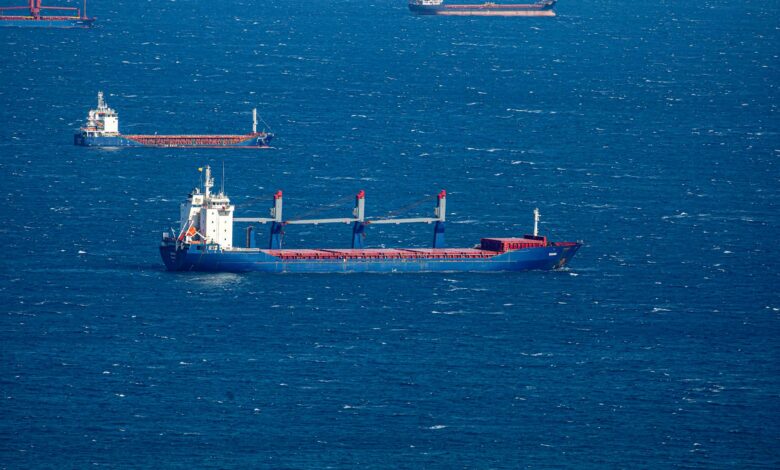
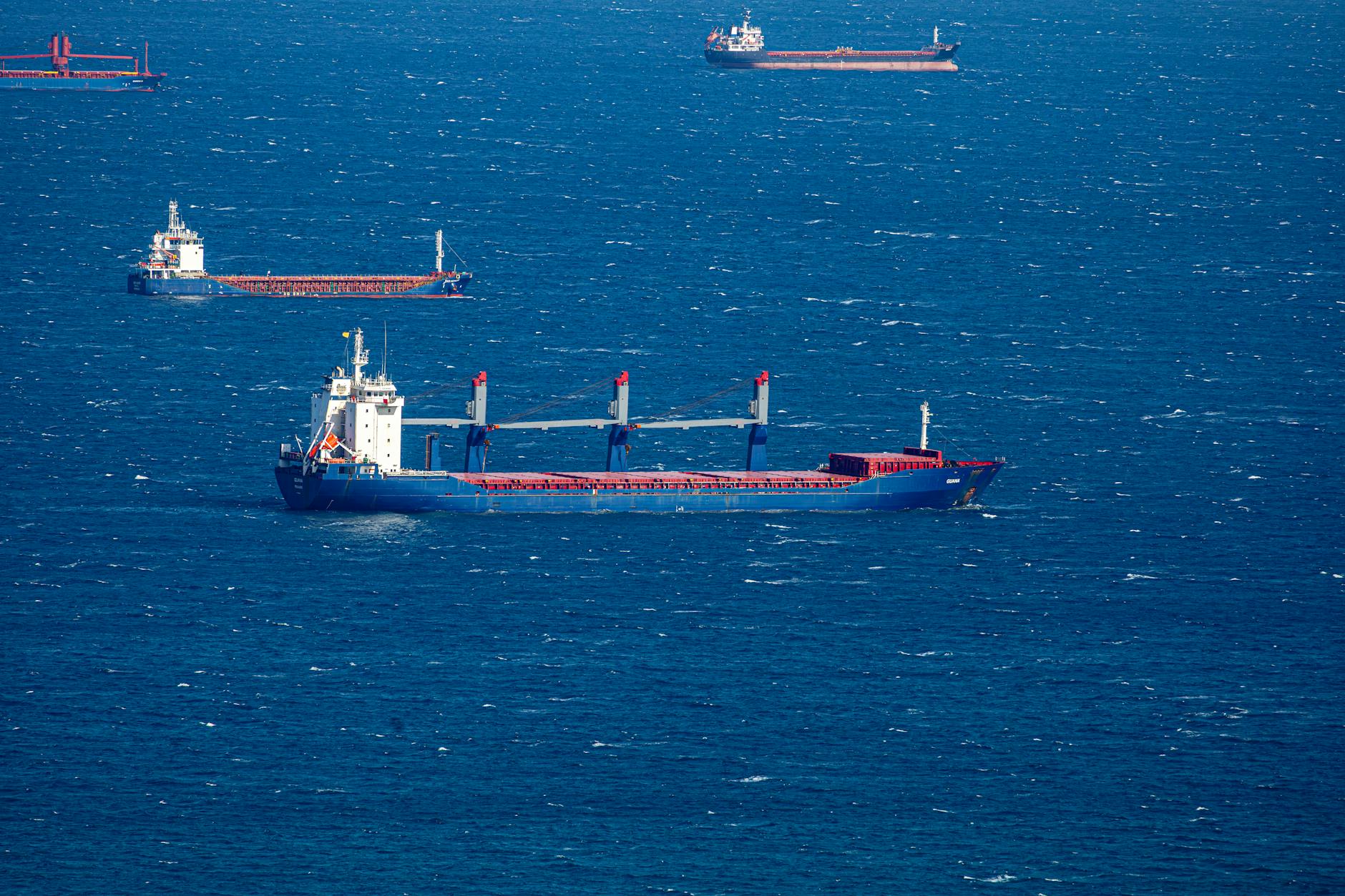
The proposed canal represents far more than an engineering marvel – it addresses critical strategic and economic needs for Turkey and the broader region. Currently, the Bosphorus Strait handles over 40,000 vessel transits annually, creating significant congestion and safety concerns in one of the world’s busiest maritime corridors. The new canal would effectively double Turkey’s capacity for handling international shipping traffic.
Economic projections suggest the project could generate substantial revenue through transit fees, similar to the successful models employed by the Suez and Panama canals. Turkish officials estimate the canal could handle up to 160 ship transits daily once operational, significantly reducing wait times and improving efficiency for international cargo vessels.
The strategic positioning also strengthens Turkey’s role in facilitating trade between Europe, Asia, and the Middle East. With global shipping volumes continuing to grow, alternative routes become increasingly valuable, particularly for large container vessels that sometimes face restrictions in the narrower sections of the Bosphorus.
Regional geopolitical considerations play a crucial role in the project’s significance. Turkey’s control over maritime access to the Black Sea has historically provided diplomatic leverage, and the new canal would enhance this strategic position while potentially reducing tensions related to shipping bottlenecks that occasionally strain international relationships.
Environmental Concerns and Technical Challenges
Environmental groups and marine biology experts have raised substantial concerns about the ecological impact of such a massive construction project. The proposed route would traverse several sensitive ecosystems, including wetlands and forest areas that serve as crucial habitats for migratory birds and local wildlife species.
Marine scientists worry about potential disruptions to water circulation patterns between the Black Sea and Mediterranean, which could affect salinity levels and marine life distribution. The mixing of waters from these two distinct maritime systems has evolved over millennia, and introducing a new connection point raises questions about long-term ecological consequences.
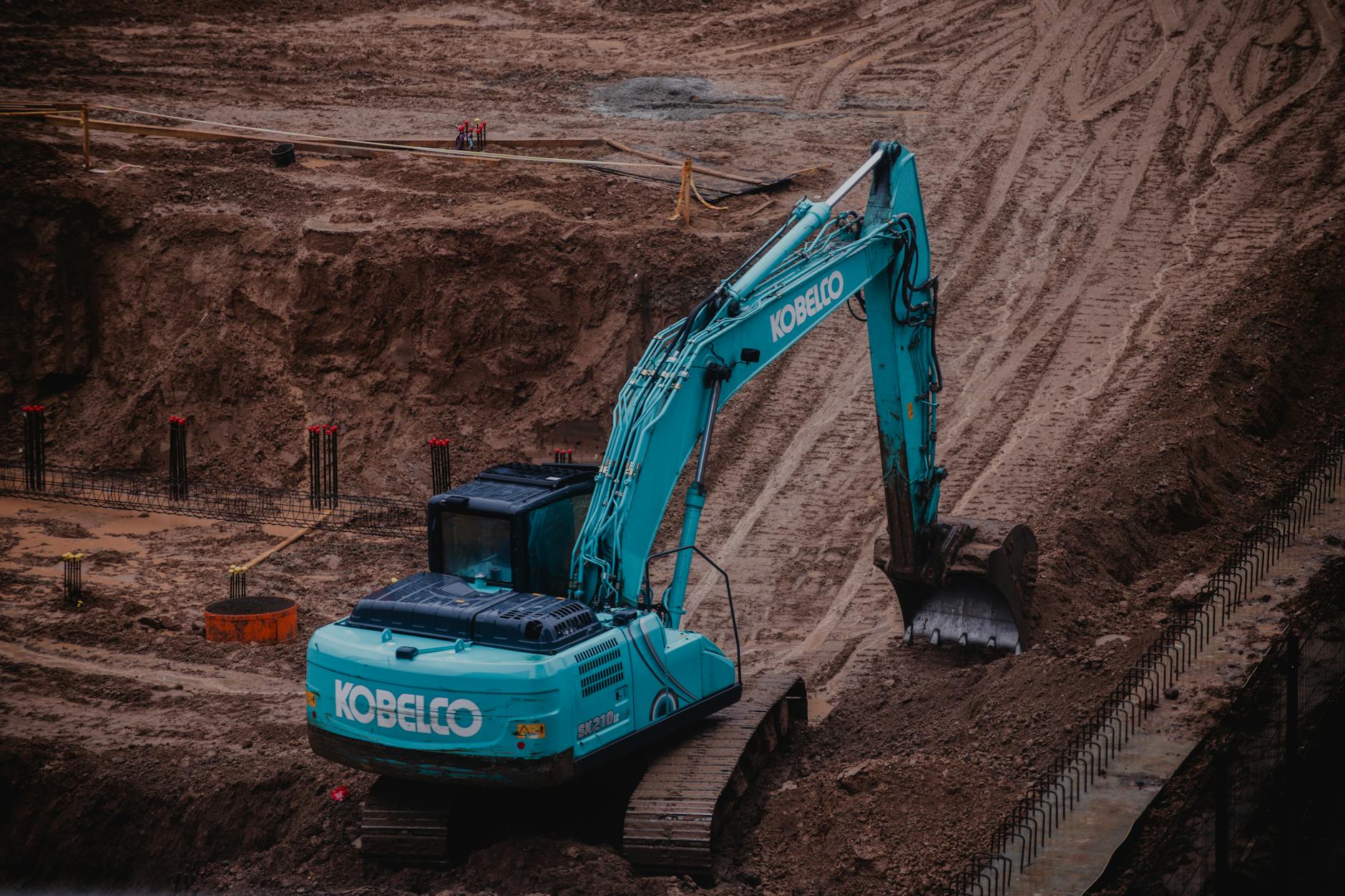
Construction challenges are equally formidable. The project requires excavating millions of cubic meters of earth, installing complex lock systems to manage water level differences, and creating infrastructure to support the canal’s operation and maintenance. Engineering firms involved in preliminary studies indicate the technical requirements rival those of the world’s most ambitious canal projects.
Seismic activity in the region adds another layer of complexity. Turkey sits along several active fault lines, necessitating specialized construction techniques and materials designed to withstand potential earthquakes. This requirement significantly increases both the technical difficulty and projected costs of the undertaking.
Water management represents perhaps the most critical technical challenge. Engineers must design systems to prevent saltwater intrusion into freshwater sources while maintaining proper flow rates and preventing erosion along the canal’s banks.
International Response and Regional Dynamics
International reaction to Turkey’s canal announcement has been mixed, reflecting the complex geopolitical implications of altering major shipping routes. European Union officials have expressed cautious interest, recognizing potential benefits for regional trade while emphasizing the importance of comprehensive environmental impact assessments.
Russia’s response has been particularly noteworthy, given its significant commercial and military maritime traffic through the Black Sea. Russian officials have indicated support for projects that improve regional shipping capacity, though they emphasize the importance of maintaining existing international agreements governing maritime passage rights.
The project intersects with broader regional developments, including ongoing diplomatic efforts in various international forums. Similar to how recent peace initiatives in other regions demonstrate the importance of infrastructure in diplomatic relations, Turkey’s canal project could influence regional cooperation patterns.
International shipping companies have expressed keen interest in the project’s potential to reduce transit times and costs. Major maritime trade routes currently experience significant delays, particularly during peak shipping seasons, making alternative passages increasingly attractive to commercial operators.
Environmental organizations worldwide are monitoring the project closely, drawing parallels to other major infrastructure developments and their ecological impacts. The international community’s growing focus on environmental conservation, as seen in initiatives like Brazil’s recent environmental protection efforts, adds pressure for comprehensive sustainability planning.
Timeline and Implementation Challenges
Turkish officials indicate the project’s implementation would occur in multiple phases over approximately eight to ten years, assuming successful completion of environmental reviews and securing necessary international agreements. The initial phase focuses on detailed geological surveys and environmental impact assessments, which alone could take two to three years.
Financing represents a significant challenge, with preliminary cost estimates reaching tens of billions of dollars. The government is exploring various funding mechanisms, including international partnerships, development bank loans, and potential private sector involvement through public-private partnership arrangements.
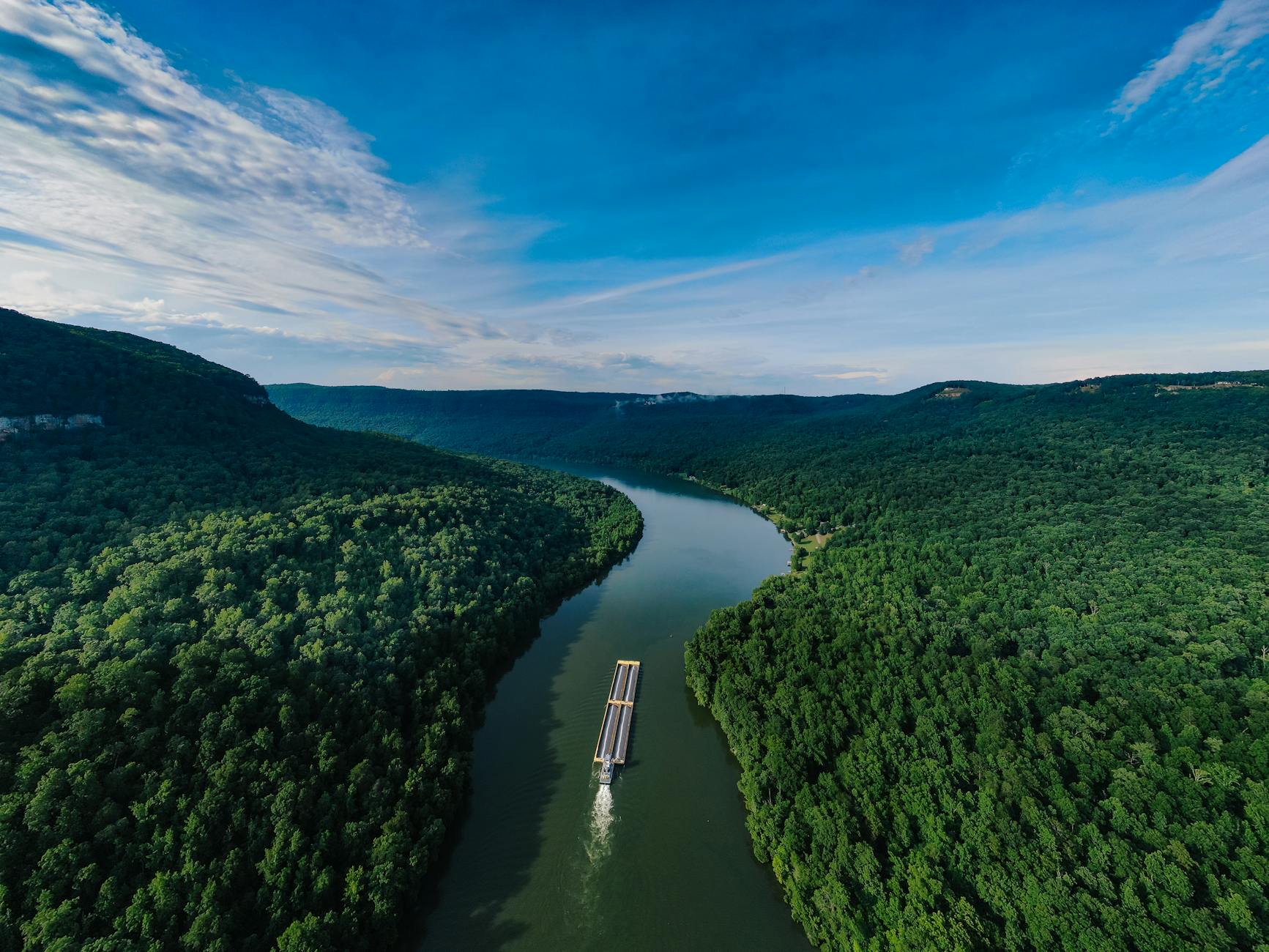
Legal and regulatory frameworks require careful navigation, particularly regarding international maritime law and environmental protection agreements. Turkey must coordinate with multiple international organizations and neighboring countries to ensure the project complies with existing treaties and conventions.
The project’s success depends heavily on maintaining political stability and international support throughout the extended construction period. Major infrastructure projects of this scale often face changing political priorities and economic conditions that can affect their viability and timeline.
As Turkey moves forward with detailed planning for this transformative project, the canal’s potential to reshape regional trade patterns and international shipping networks continues to generate significant interest and debate. The coming years will prove crucial in determining whether this ambitious vision can overcome the substantial technical, environmental, and financial challenges that lie ahead, ultimately establishing a new maritime corridor that could serve global commerce for generations to come.
Frequently Asked Questions
How long would Turkey’s proposed canal be?
The proposed canal would span approximately 45 kilometers, running parallel to the existing Bosphorus Strait.
What are the main benefits of the new Turkish canal?
The canal would reduce shipping congestion, provide alternative trade routes, and generate revenue through transit fees while strengthening Turkey’s strategic position.