
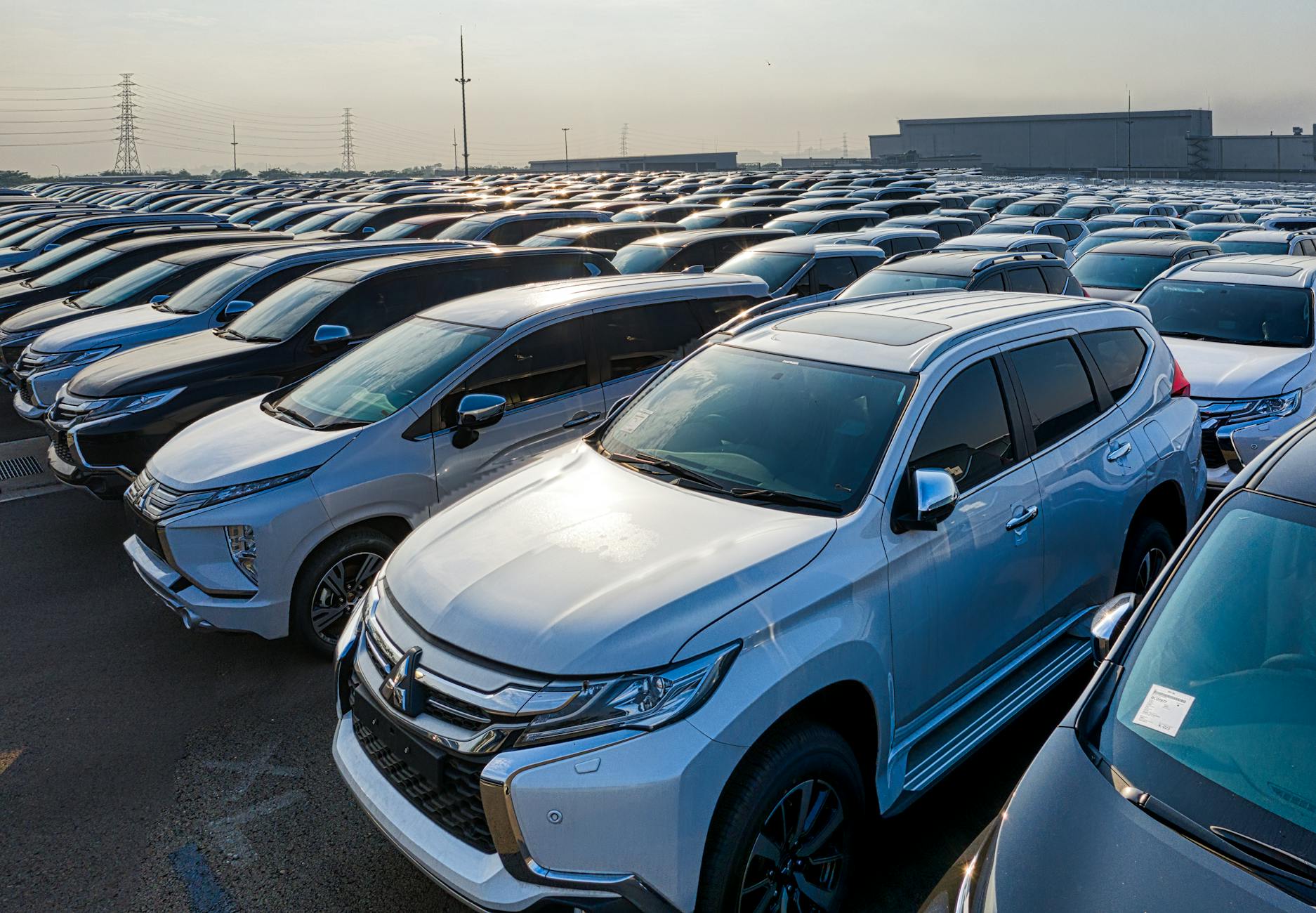
Toyota’s production lines fell silent across multiple Japanese manufacturing facilities this week as the world’s largest automaker grappled with a severe parts shortage crisis. The unexpected halt affected eight plants, disrupting production of popular models including the Prius, Camry, and RAV4, sending ripples through the global automotive supply chain.
The production suspension, which began Tuesday morning, highlights the fragile interconnectedness of modern manufacturing. Toyota’s just-in-time production system, once hailed as the gold standard of efficiency, has become vulnerable to supply chain disruptions that have plagued industries worldwide since 2020.
Supply Chain Vulnerabilities Exposed
Toyota’s current crisis stems from shortages of critical electronic components and specialized parts sourced from both domestic and international suppliers. The company cited specific shortages in semiconductor chips, wire harnesses, and plastic components used in interior trim pieces. These seemingly small parts can halt entire production lines when unavailable.
The semiconductor shortage continues to plague automakers globally, with Toyota previously managing to weather the storm better than competitors like General Motors and Ford. However, recent geopolitical tensions and factory shutdowns in Southeast Asia have intensified supply pressures.
“Toyota’s supply chain strategy has always been about building strong relationships with suppliers and maintaining minimal inventory,” said automotive industry analyst Sarah Chen. “But this approach becomes a liability when suppliers face their own production challenges.”
The affected plants include Toyota’s flagship Tahara facility, which produces the luxury Lexus LS sedan, and the Tsutsumi plant responsible for Prius hybrid vehicles. Combined, these facilities typically produce over 15,000 vehicles per week.
Impact on Workers and Local Communities
The production halt affects approximately 28,000 Toyota employees across the impacted facilities. The company announced that workers would receive full pay during the suspension but expressed uncertainty about the timeline for resuming normal operations.
Local suppliers and logistics companies in Toyota City and surrounding areas face immediate economic pressure. Many smaller parts manufacturers depend entirely on Toyota contracts, making them particularly vulnerable to extended production stoppages.
“We’ve been Toyota suppliers for three generations,” said Hiroshi Tanaka, whose family runs a small metalworking shop near the Tahara plant. “These shutdowns create a domino effect throughout our community.”
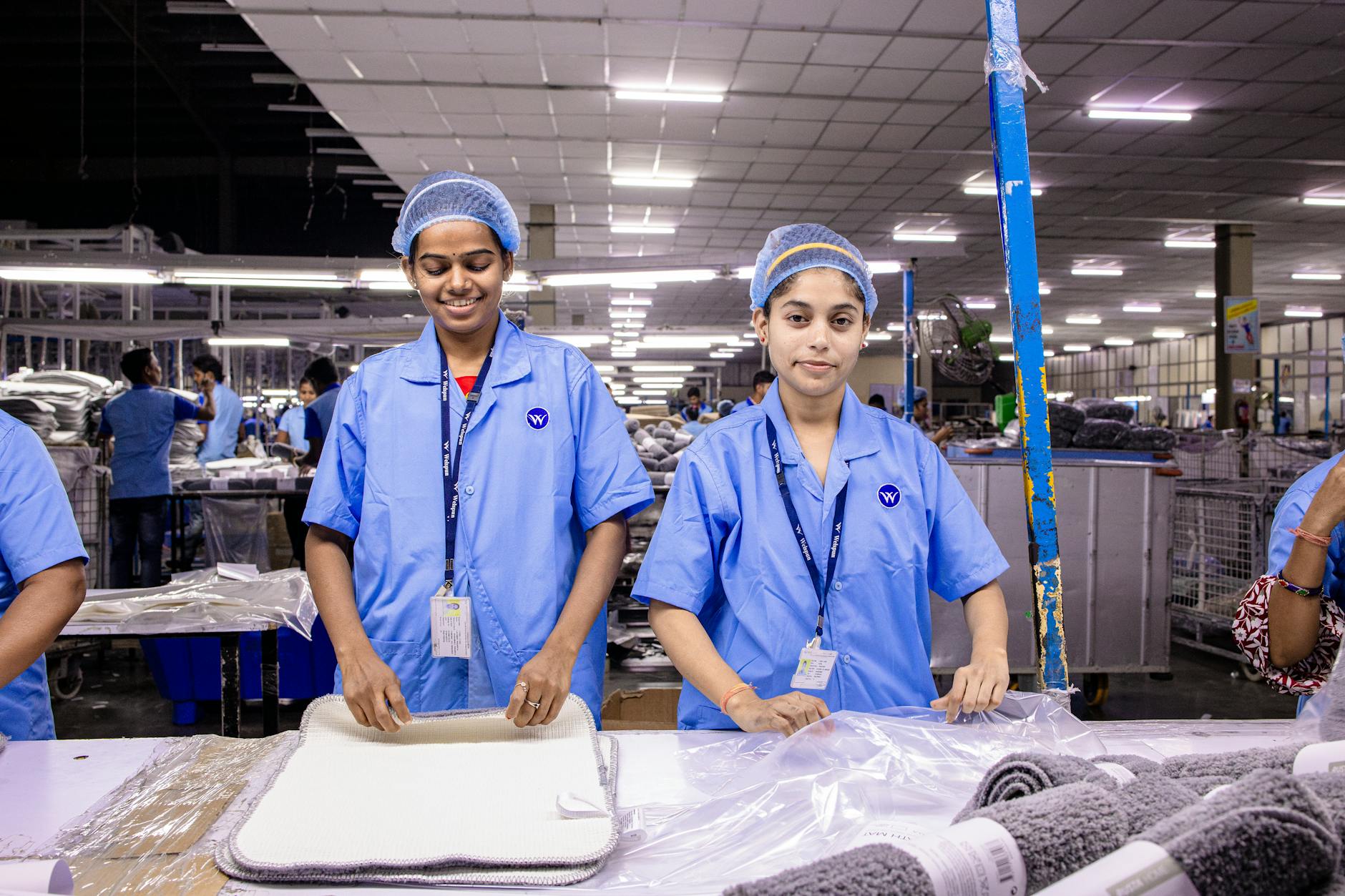
Toyota’s decision to maintain worker pay during the crisis reflects Japan’s employment culture and the company’s long-term relationship with its workforce. However, industry experts warn that extended shutdowns could force more difficult decisions about temporary layoffs or reduced working hours.
The ripple effects extend beyond Japan’s borders. Toyota’s North American and European operations may face parts shortages in coming weeks, potentially forcing similar production adjustments at facilities in Kentucky, Texas, and the United Kingdom.
Strategic Response and Industry Implications
Toyota management has activated crisis response protocols, working around the clock to identify alternative suppliers and expedite shipments of critical components. The company is reportedly considering airfreight for high-priority parts, despite the significant cost increase compared to standard ocean shipping.
The automaker is also accelerating discussions with semiconductor manufacturers about long-term supply agreements. Unlike the broader tech industry disruptions affecting companies like Amazon’s cloud computing operations, automotive chip shortages require specialized components that cannot be easily substituted.
Industry observers note that Toyota’s current predicament mirrors challenges faced by other major manufacturers. The company’s traditionally conservative approach to inventory management, while cost-effective during stable periods, offers little buffer during supply disruptions.
“This crisis will likely force Toyota to reconsider its just-in-time philosophy,” said automotive economist Dr. Michael Rodriguez. “We may see the company building larger component inventories, especially for critical electronic parts.”
Toyota competitors are watching the situation closely, as similar parts shortages could affect their operations. Honda and Nissan have both reported intermittent supply challenges, though neither has announced major production suspensions.
Path Forward and Market Recovery
Toyota executives project that production could resume within two weeks if supplier issues resolve quickly. However, the company acknowledged that full recovery to normal production levels may take additional time as it works through the backlog of delayed orders.
The crisis arrives during a crucial period for Toyota’s electric vehicle transition. The company recently announced accelerated plans for battery electric vehicle production, making stable supply chains essential for meeting ambitious 2030 targets. Any extended production delays could impact Toyota’s competitive position as rivals like Tesla and Chinese manufacturers ramp up their offerings.
Financial markets have responded with measured concern, with Toyota shares declining 3% following the production halt announcement. However, analysts remain optimistic about the company’s long-term prospects, noting its strong balance sheet and historical ability to navigate supply chain challenges.
Looking ahead, Toyota’s experience may catalyze broader industry changes in supply chain management. The company is reportedly exploring partnerships with domestic chip manufacturers and considering vertical integration for critical components. These strategic shifts could reshape automotive manufacturing practices across the industry, moving away from the lean inventory models that have dominated for decades.
The current crisis serves as a stark reminder that even the most efficient manufacturing systems remain vulnerable to global supply chain disruptions, forcing industry leaders to balance efficiency with resilience in an increasingly uncertain world.
Frequently Asked Questions
Why did Toyota halt production at its Japanese plants?
Toyota suspended production due to severe shortages of electronic components, semiconductor chips, and specialized parts from suppliers.
How many Toyota workers are affected by the production halt?
Approximately 28,000 Toyota employees across eight manufacturing facilities are impacted by the production suspension.