

Tesla Quietly Builds Energy Empire Behind Automotive Headlines
While Tesla’s electric vehicles dominate headlines and stock analysis, the company’s energy storage division has emerged as its fastest-growing revenue stream, posting triple-digit growth rates that dwarf even the automotive segment’s impressive performance. What started as a side project to support solar installations has evolved into a standalone powerhouse reshaping how utilities, businesses, and homeowners store and manage electricity.
Tesla’s energy storage revenue jumped 52% year-over-year in the most recent quarter, reaching record deployment levels as grid-scale battery installations surge worldwide. The division now represents a significant portion of Tesla’s total revenue growth, with CEO Elon Musk predicting it could eventually match or exceed automotive revenue within the next decade.
This shift marks a fundamental change in Tesla’s business model, transforming the company from primarily an automaker into a comprehensive energy technology provider. As traditional automotive companies like Toyota face supply chain challenges, Tesla leverages its battery expertise across multiple high-growth markets simultaneously.
Megapack Projects Drive Unprecedented Growth
Tesla’s Megapack utility-scale batteries have become the crown jewel of the energy storage division, with installations accelerating across multiple continents. These massive battery systems, each capable of storing up to 3.9 megawatt-hours of energy, are being deployed by utilities seeking to balance renewable energy sources and improve grid stability.
Recent major deployments include installations in California, Texas, and Australia, with projects ranging from 100 megawatts to over 400 megawatts of storage capacity. The Victorian Big Battery in Australia, one of Tesla’s largest installations, demonstrates the technology’s ability to provide grid services while generating substantial revenue through energy arbitrage and frequency regulation.
Manufacturing capacity has expanded dramatically to meet demand, with Tesla’s Megafactory in California ramping production and plans for additional facilities worldwide. The company reports a growing backlog of Megapack orders, with delivery timelines extending well into 2025 for new customers.
Profit margins on energy storage products reportedly exceed those of Tesla’s automotive business, making each deployment more lucrative than traditional vehicle sales. This economic advantage has prompted increased focus on the division, with significant capital allocation toward expanding manufacturing capabilities.
Commercial and Residential Markets Expand Rapidly
Beyond utility-scale projects, Tesla’s Powerwall residential batteries and commercial Powerpack systems are capturing significant market share in distributed energy storage. The latest Powerwall generation offers improved capacity and integration capabilities, appealing to homeowners seeking energy independence and backup power solutions.
Commercial installations have surged as businesses recognize the dual benefits of energy cost reduction and sustainability goals. Major retailers, manufacturing facilities, and data centers are deploying Tesla battery systems to reduce peak demand charges and provide uninterrupted power supply during outages.
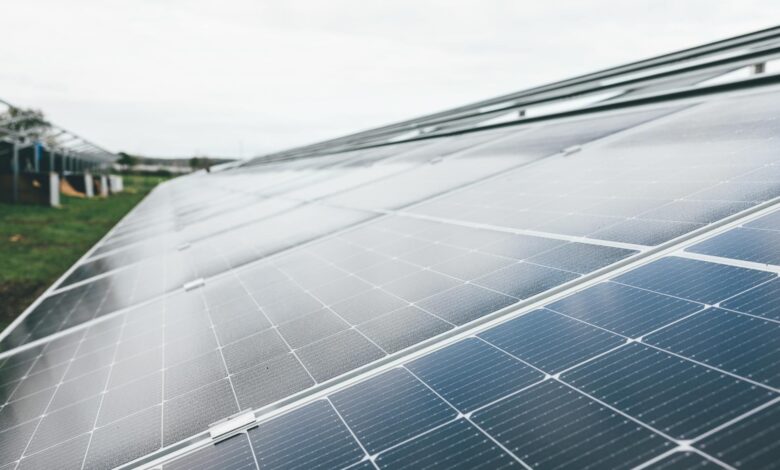
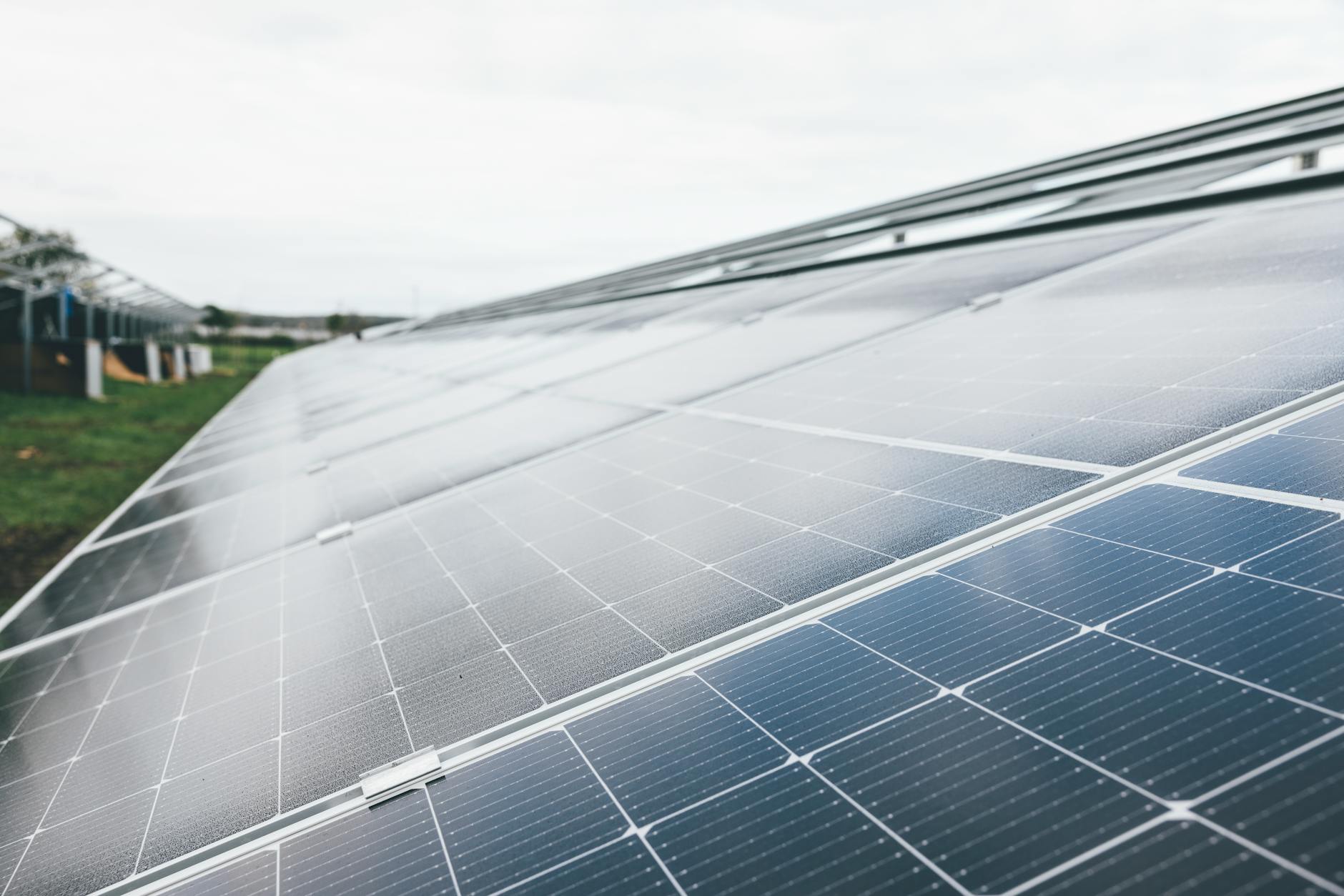
The integration with Tesla’s solar panel and Solar Roof products creates a comprehensive energy ecosystem, allowing customers to generate, store, and consume renewable energy entirely within Tesla’s product portfolio. This vertical integration mirrors strategies employed by tech giants like Amazon in cloud computing, creating customer loyalty through interconnected services.
Software capabilities distinguish Tesla’s energy products from traditional battery systems, with over-the-air updates continuously improving performance and adding new features. The company’s energy management algorithms optimize charging and discharging cycles based on electricity pricing, weather patterns, and usage predictions.
Global Market Expansion and Future Prospects
International expansion has accelerated Tesla’s energy storage growth, with significant deployments across Europe, Asia-Pacific, and emerging markets. Government incentives for renewable energy storage in countries like Germany, Japan, and South Korea have created favorable market conditions for rapid adoption.
The division benefits from Tesla’s established global manufacturing and service infrastructure, reducing deployment costs and complexity compared to competitors. Standardized products and installation procedures enable faster project completion times, a crucial advantage in utility procurement processes.
Competition in energy storage continues intensifying, with traditional industrial companies and newer technology firms developing alternative solutions. However, Tesla maintains advantages in battery chemistry, manufacturing scale, and software integration that support premium pricing and market leadership.
Future growth prospects appear substantial, driven by increasing renewable energy penetration worldwide and evolving grid modernization requirements. Tesla’s energy storage revenue could reach automotive-level scale within the current decade, fundamentally altering investor perceptions of the company’s long-term value proposition.
As utilities worldwide grapple with integrating intermittent renewable energy sources while maintaining grid reliability, Tesla’s energy storage division stands positioned to capitalize on a multi-trillion-dollar infrastructure transformation. The company’s ability to scale manufacturing while maintaining technological leadership will determine whether this fastest-growing division can sustain its remarkable trajectory and establish Tesla as the dominant force in global energy storage markets.
Frequently Asked Questions
How fast is Tesla’s energy storage division growing?
Tesla’s energy storage revenue jumped 52% year-over-year with record deployment levels, making it the company’s fastest-growing division.
What products drive Tesla’s energy storage growth?
Megapack utility-scale batteries, Powerwall residential systems, and commercial Powerpack installations drive the division’s rapid expansion.