

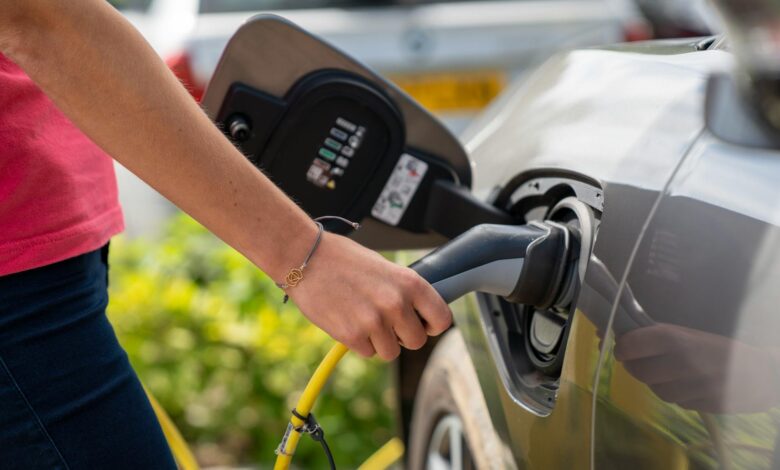
Tesla issued a recall notice affecting thousands of Model Y vehicles after reports emerged of battery packs overheating during charging cycles. The recall, which covers specific production runs from late 2023 and early 2024, highlights ongoing challenges in electric vehicle battery management systems as manufacturers push for faster charging speeds and higher energy density.
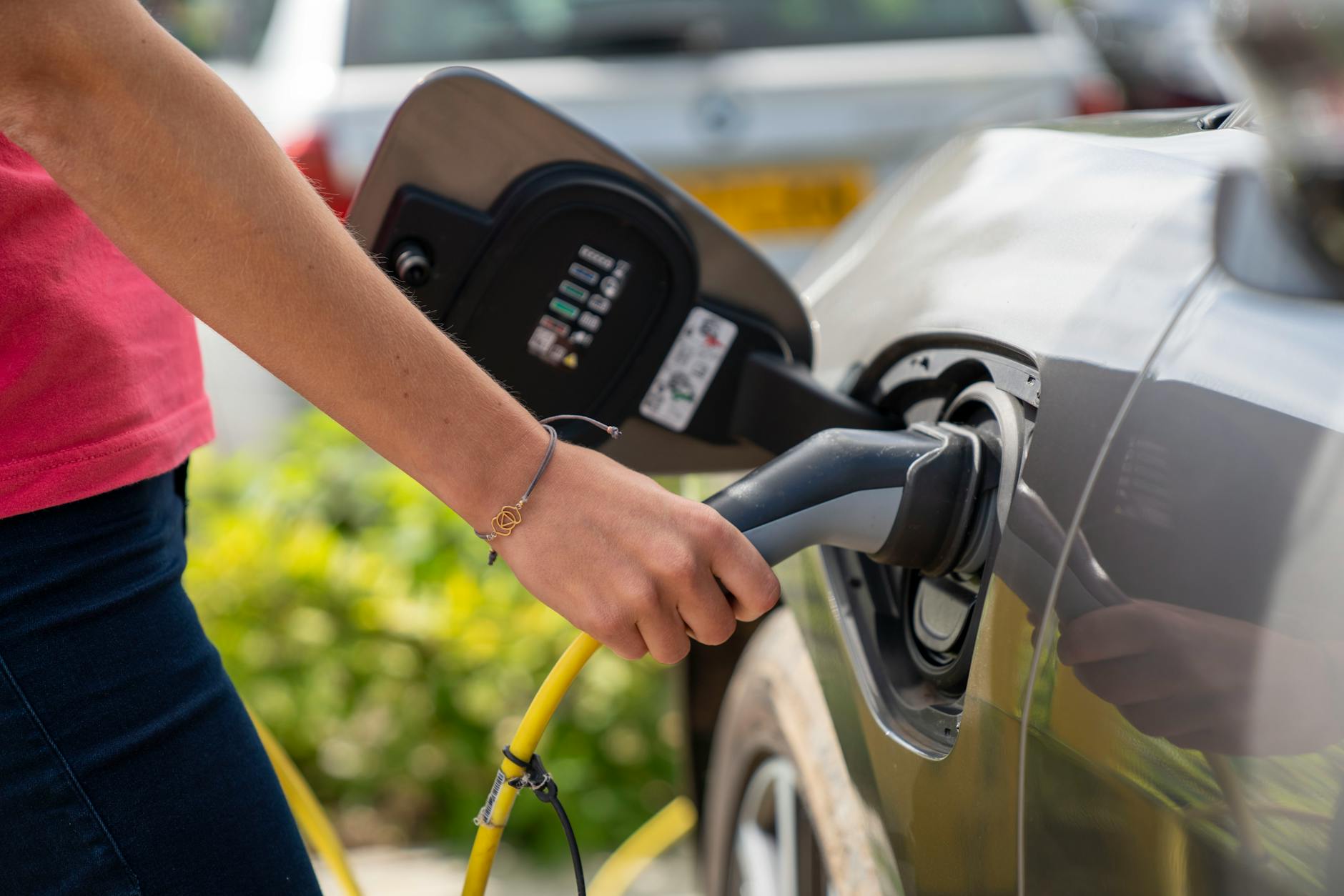
The National Highway Traffic Safety Administration (NHTSA) received multiple complaints from Model Y owners reporting unusual heat generation during both home and Supercharger station charging sessions. Some drivers described dashboard warning messages about thermal management issues, while others noticed reduced charging speeds and temporary vehicle shutdowns during charging attempts.
Scope and Technical Details of the Recall
The recall affects approximately 16,000 Model Y vehicles manufactured between September 2023 and February 2024 at Tesla’s Fremont and Austin facilities. The issue stems from a software glitch in the battery thermal management system that fails to properly regulate temperature during high-current charging sessions.
Tesla engineers identified the problem in the battery pack’s cooling system control algorithms. When vehicles charge at maximum power levels, particularly in ambient temperatures above 85 degrees Fahrenheit, the thermal management software occasionally miscalculates cooling requirements. This leads to localized overheating in specific battery cells, triggering safety shutdowns and potentially reducing long-term battery life.
The company’s investigation revealed that affected vehicles share a common battery pack configuration with a specific revision of thermal sensors. These sensors, manufactured by a third-party supplier, occasionally provide inconsistent temperature readings to the vehicle’s main computer, causing the cooling system to operate ineffectively.
Safety Implications and Owner Experiences
While no fires or injuries have been reported, the overheating issue poses several concerns for affected Model Y owners. The most immediate problem involves charging reliability, with some vehicles refusing to charge beyond 80 percent capacity when the thermal management system detects elevated temperatures.
Several owners reported on Tesla forums that their vehicles displayed persistent warning messages about battery temperature limits, even when parked in moderate weather conditions. Others described scenarios where their Model Y would interrupt charging sessions at public stations, leaving them with less range than expected for long trips.
Tesla’s service bulletins indicate that prolonged exposure to these overheating conditions could accelerate battery degradation, potentially reducing the vehicle’s overall range over time. The company emphasizes that the issue primarily affects charging performance rather than driving safety, as the thermal management system prevents dangerous temperature levels that could lead to thermal runaway.
The recall notice advises owners to avoid rapid charging sessions in extremely hot weather until the software update is installed. Tesla recommends charging at lower power levels and monitoring dashboard warnings about battery temperature limits.
Tesla’s Response and Repair Process
Tesla plans to address the recall through an over-the-air software update that recalibrates the thermal management algorithms and improves temperature sensor accuracy. The update, designated as version 2024.8.7, includes enhanced cooling system controls and more conservative charging parameters during high-temperature conditions.
The company expects to begin rolling out the software fix within the next two weeks, prioritizing vehicles in warmer climate regions where the issue appears most frequently. Owners will receive notifications through their Tesla mobile app when the update becomes available for their specific vehicle.
For vehicles that have already experienced battery cell damage due to overheating, Tesla will replace affected battery modules at no cost to owners. The company has increased battery pack inventory at service centers in Arizona, Texas, Florida, and California to handle potential replacements.
Tesla’s service teams are also conducting courtesy inspections for recalled vehicles to check for any signs of heat damage to charging ports, cooling system components, or battery pack housing. These inspections are being offered free of charge at Tesla service centers nationwide.
Industry Context and Regulatory Response
This recall occurs amid broader scrutiny of electric vehicle battery safety across the automotive industry. The NHTSA has increased oversight of EV thermal management systems following several high-profile battery fires in competing vehicles over the past year.

The recall highlights the complex engineering challenges facing EV manufacturers as they balance charging speed, battery capacity, and thermal safety. Tesla’s Supercharger network, which delivers some of the fastest charging speeds in the industry, requires sophisticated thermal management to prevent overheating during rapid energy transfer.
Industry analysts note that thermal management recalls are becoming more common as automakers push the boundaries of battery technology. Similar issues have affected vehicles from other manufacturers, including recent recalls for overheating battery systems in certain Hyundai and Ford electric models.
The recall’s timing coincides with Tesla’s ongoing expansion of its Supercharger network and recent opening of charging stations to non-Tesla vehicles. As the company faces increased competition from traditional automakers entering the EV space, maintaining charging reliability becomes crucial for customer retention and brand reputation.
Tesla stock initially dropped following the recall announcement but recovered as investors recognized the company’s proactive approach to addressing the issue. The company’s shares have shown resilience this year despite facing increased competition in various technology sectors, including satellite internet services.
The NHTSA continues investigating whether similar thermal management issues affect other Tesla models or production periods. The agency has requested additional data from Tesla regarding battery temperature monitoring across its entire vehicle lineup, suggesting potential expansion of the current recall if problems are discovered in other models.
Frequently Asked Questions
How many Tesla Model Y vehicles are affected by the recall?
Approximately 16,000 Model Y vehicles manufactured between September 2023 and February 2024 are affected by the battery overheating recall.
What causes the battery overheating issue in recalled Model Y vehicles?
A software glitch in the thermal management system fails to properly regulate battery temperature during high-current charging sessions, especially in hot weather.