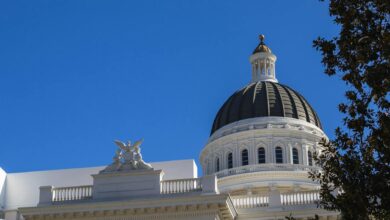

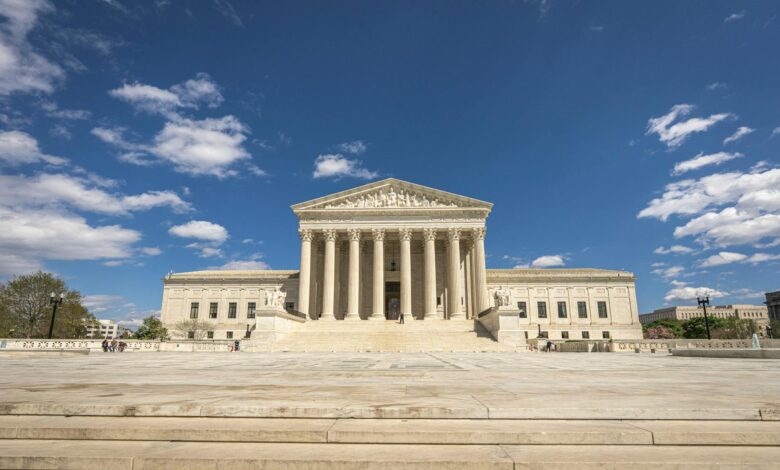
The Supreme Court has agreed to hear a case that could fundamentally reshape how social media platforms moderate content, setting up a constitutional showdown over free speech in the digital age. The landmark decision to grant certiorari in NetChoice v. Paxton represents the most significant challenge to Section 230 protections and platform content policies to reach the nation’s highest court.
At the heart of the dispute lies a Texas law that prohibits large social media companies from removing posts based on political viewpoint, directly challenging the platforms’ ability to enforce their own community standards. The law, passed in 2021 amid heated debates over alleged conservative censorship, applies to platforms with more than 50 million monthly users and includes hefty fines for violations.
The case arrives as tensions between tech platforms and lawmakers from both parties have reached a fever pitch. Republicans have long accused companies like Facebook, Twitter, and YouTube of systematically silencing conservative voices, while Democrats have criticized platforms for allowing the spread of misinformation and hate speech. The Court’s decision could determine whether private companies retain the right to curate content or if government regulation will dictate moderation practices.
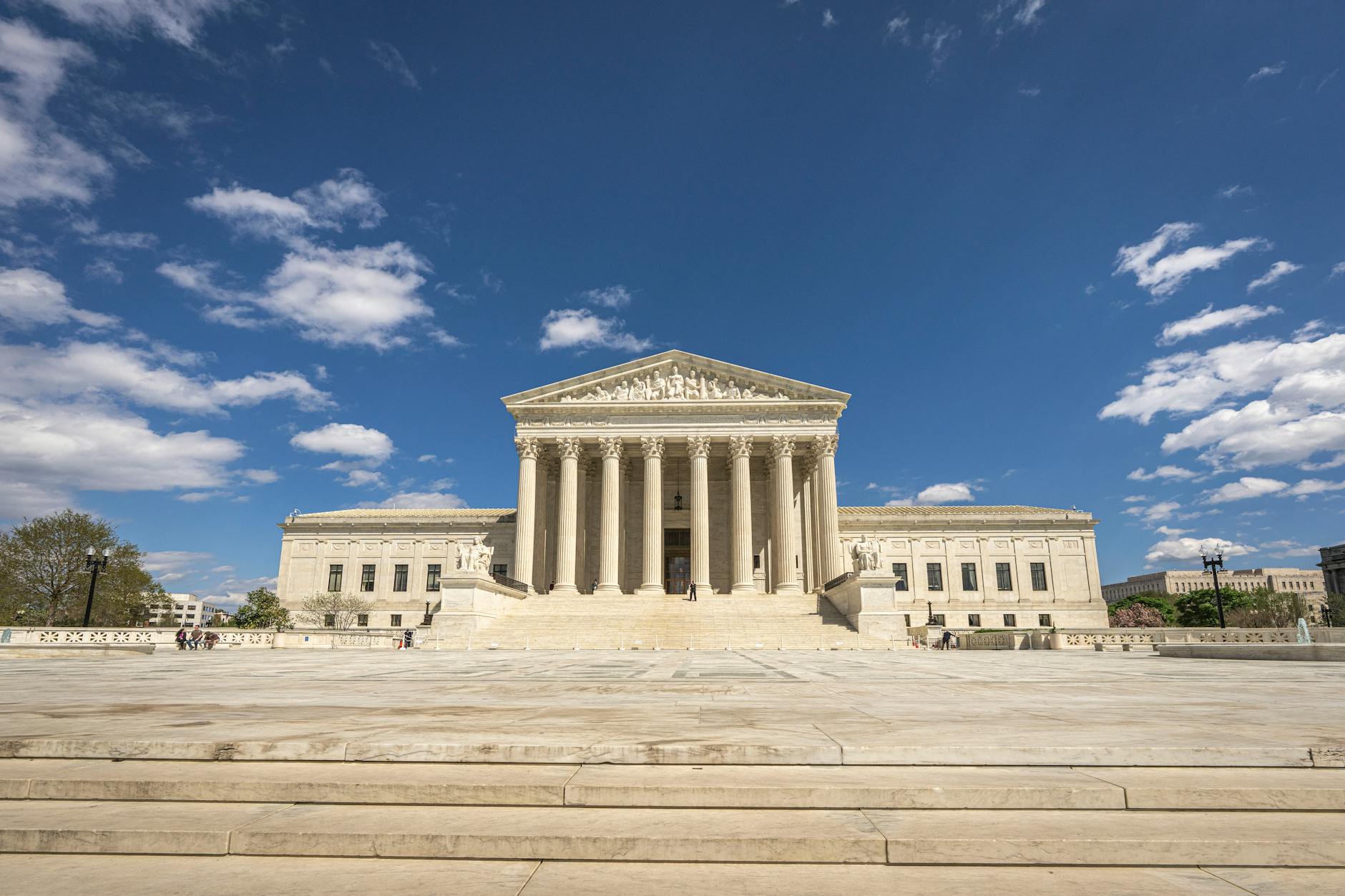
The Legal Battle Takes Shape
The Texas Social Media Censorship Law, officially known as House Bill 20, represents one of the most aggressive state-level attempts to regulate online speech. The legislation prohibits social media platforms from blocking, removing, or demonetizing content based on the viewpoint of the user or another person. It also requires platforms to publish their content moderation policies and provide detailed explanations for any content removals.
NetChoice, a trade association representing major tech companies including Google, Meta, and Twitter, immediately challenged the law in federal court. The organization argues that forcing platforms to host speech they disagree with violates the First Amendment rights of private companies. “This law turns the First Amendment on its head,” said Carl Szabo, NetChoice’s vice president and general counsel. “Private companies have the right to determine what speech they will and won’t host.”
The Fifth Circuit Court of Appeals upheld most provisions of the Texas law, creating a direct conflict with the Eleventh Circuit’s decision to block a similar Florida statute. This circuit split virtually guaranteed Supreme Court review, as the justices regularly intervene to resolve disagreements between federal appellate courts on constitutional questions.
Legal scholars note that the case presents novel questions about how traditional First Amendment principles apply to digital platforms. Unlike traditional publishers, social media companies host billions of posts from users worldwide, making editorial control both more complex and more consequential for public discourse.
Section 230 Under Fire
The Supreme Court case unfolds against the backdrop of broader attacks on Section 230 of the Communications Decency Act, the federal law that shields platforms from liability for user-generated content while allowing them to moderate posts in good faith. Critics from across the political spectrum have called for reforms or outright repeal of these protections.
Section 230 has enabled the explosive growth of social media by protecting platforms from lawsuits over content posted by users. Without these protections, legal experts argue, platforms would face an impossible choice between over-censoring content to avoid liability or abandoning moderation entirely. The Texas law effectively requires platforms to choose the latter option, at least for politically oriented speech.
The Biden administration has taken a cautious stance on the case, filing a brief that supports neither party completely but emphasizes the importance of preserving platform immunity for good-faith content moderation. Administration officials have walked a careful line, criticizing both excessive content removal and the spread of harmful misinformation on social platforms.

Several Republican attorneys general have filed briefs supporting Texas, arguing that large social media platforms have become essential forums for public discourse and should be treated more like public utilities than private publishers. They contend that platforms’ content moderation practices amount to censorship that stifles important political debate.
The case has attracted attention from free speech advocates on both sides of the political divide. The Electronic Frontier Foundation, typically aligned with liberal causes, has supported the platforms’ position, arguing that forced speech is just as problematic as censored speech. Meanwhile, some progressive groups have expressed concern that limiting platform moderation could lead to an explosion of hate speech and misinformation.
Broader Implications for Digital Rights
The Court’s decision will likely extend far beyond social media moderation, potentially affecting everything from search engine results to online marketplace policies. If the justices rule in favor of Texas, other states could pass similar laws targeting different aspects of online speech, creating a patchwork of regulations that platforms would struggle to navigate.
The case also intersects with ongoing political battles over tech regulation. While this particular challenge focuses on conservative claims of censorship, progressive lawmakers have their own grievances with platform policies. Recent controversies over election misinformation, COVID-19 conspiracy theories, and climate change denial have led some Democrats to argue for stricter content moderation requirements rather than fewer restrictions.
The timing of the case is particularly significant given the upcoming election cycle and ongoing concerns about online misinformation. Political advertising on social platforms has become increasingly contentious, with platforms implementing varying policies on fact-checking, political ad labeling, and election-related content. A broad ruling limiting platform moderation could complicate efforts to address false or misleading political information.
International implications also loom large, as the European Union and other jurisdictions have moved toward stricter platform regulation. A Supreme Court ruling that limits content moderation could put U.S. companies at odds with international legal requirements, potentially forcing them to maintain different policies for different markets.
What’s Next for Online Speech
Legal experts expect oral arguments to take place in the spring, with a decision likely by June. The Court’s conservative majority has shown increasing skepticism of big tech companies, but the First Amendment considerations in this case cut across traditional ideological lines. Justice Clarence Thomas has previously suggested that large platforms might be subject to common carrier regulations, while liberal justices have expressed concern about government restrictions on private speech.
The case arrives as broader debates over tech regulation continue to evolve. Recent legislative proposals have ranged from antitrust measures targeting platform market power to privacy regulations limiting data collection practices. Some lawmakers have suggested that comprehensive federal legislation might be needed to address the complex intersection of free speech, content moderation, and platform liability.
Industry observers predict that regardless of the outcome, platforms will need to significantly adjust their approaches to content moderation. A ruling favoring Texas could force companies to develop new systems for handling political speech, while a decision supporting the platforms might embolden other states to find creative workarounds to existing legal protections.
The Supreme Court’s decision will ultimately determine whether the future of online discourse is shaped primarily by private platform policies or government regulation. As digital communication becomes increasingly central to democratic participation and public debate, the stakes could hardly be higher for American free speech rights in the 21st century.
Frequently Asked Questions
What is the NetChoice v. Paxton case about?
The case challenges a Texas law that prohibits large social media platforms from removing content based on political viewpoint.
How could this case affect social media platforms?
The ruling could determine whether platforms retain editorial control over content or must host speech they disagree with.