
Coffee Giant Embraces Automation Revolution
Starbucks has quietly launched its most ambitious automation experiment yet, deploying robot baristas in select Seattle locations to test whether machines can match the speed and consistency that built the coffee empire. The pilot program, rolling out across five downtown Seattle stores this quarter, represents a significant shift for a company that has long emphasized the human connection between baristas and customers.
The robotic systems, developed in partnership with Swiss automation company SoftBank Robotics, can prepare up to 300 drinks per hour while maintaining precise temperature control and ingredient ratios. Early customer reactions have been mixed, with some praising the speed and others missing the personal interaction that defines the traditional Starbucks experience.
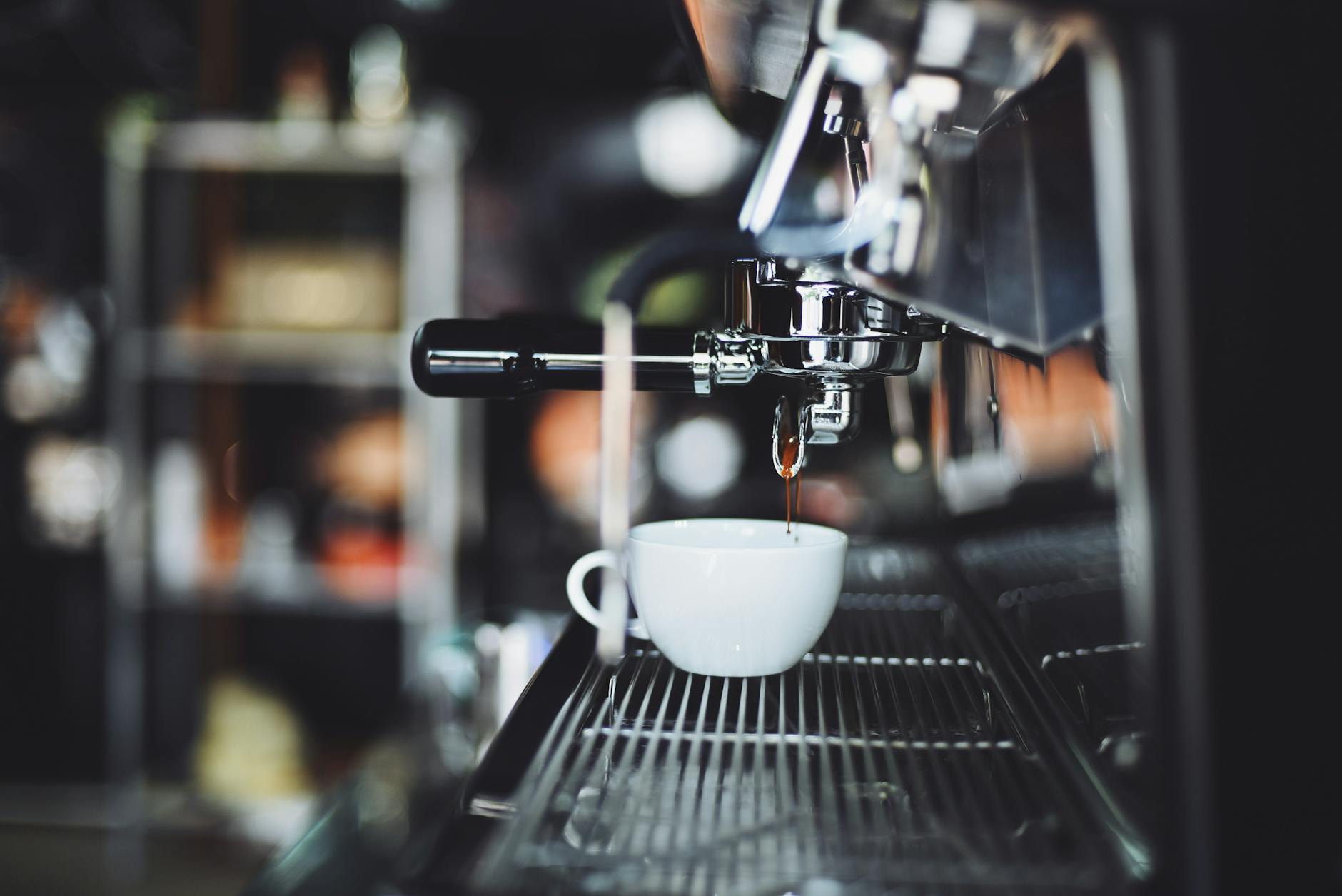
Technology Behind the Automated Cafe Experience
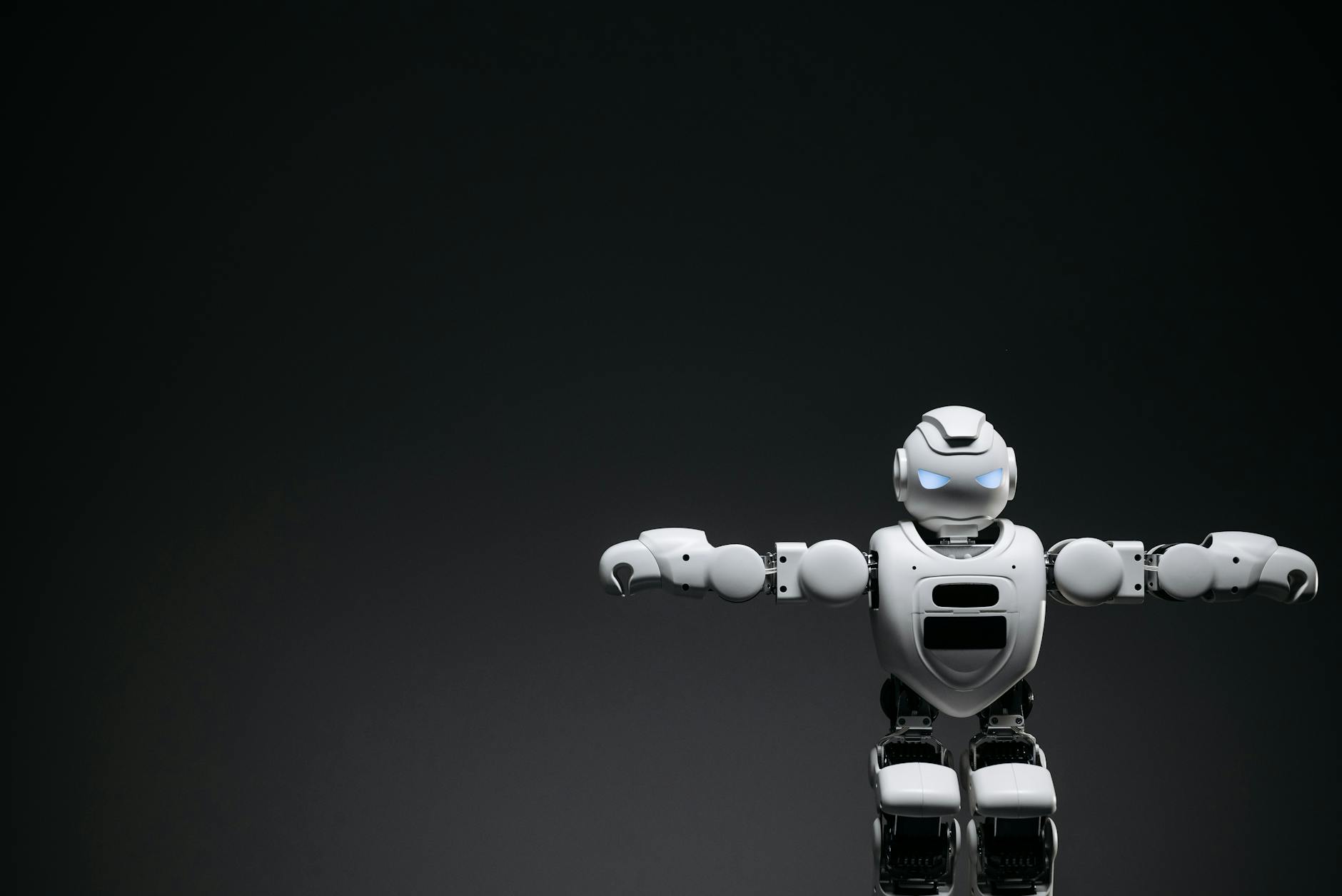
The robot baristas operate using advanced computer vision and machine learning algorithms to recognize cup sizes, interpret order modifications, and execute complex drink recipes with mechanical precision. Each unit stands roughly six feet tall and features multiple articulated arms capable of simultaneous tasks like steaming milk while grinding espresso beans.
Unlike simple vending machines, these systems can handle custom modifications that make up nearly 80% of Starbucks orders. They recognize voice commands for extra shots, alternative milk options, and temperature preferences, then adjust their brewing parameters accordingly. The machines also integrate directly with the Starbucks mobile app, allowing customers to watch their personalized drinks being prepared in real-time.
The technology builds on automation trends already transforming retail experiences, though Starbucks’ approach focuses on enhancing rather than replacing human workers. Current baristas in test locations work alongside the robots, handling customer service, food preparation, and quality control while the machines focus purely on beverage production.
Customer Response and Operational Impact
Early data from the Seattle pilot shows promising results for efficiency metrics. Average wait times have dropped from seven minutes during peak hours to under three minutes, while drink consistency scores have improved by 15% based on customer surveys. The robots eliminate common human errors like incorrect syrup counts or inconsistent milk foam texture.
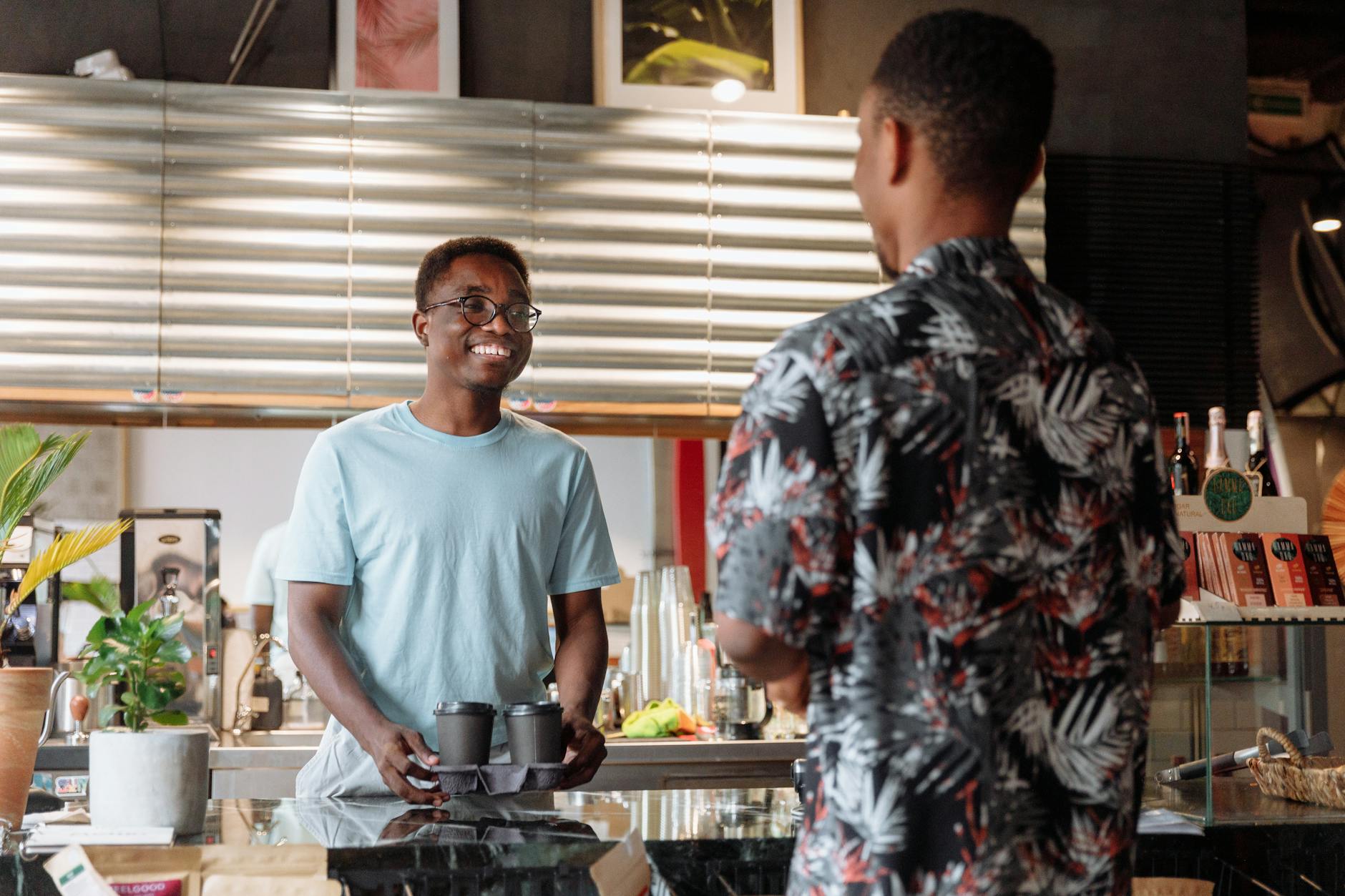
However, customer feedback reveals a more complex picture. Regular customers appreciate the faster service during morning rushes, but many report missing the social interaction that traditionally accompanies their coffee ritual. “It’s efficient, but it feels sterile,” noted one downtown Seattle customer who visits the test location daily.
The operational benefits extend beyond speed. Robot baristas don’t call in sick, don’t need breaks, and maintain consistent performance throughout their shifts. They also generate detailed data on ingredient usage, popular modifications, and peak demand patterns that help optimize inventory management and staffing decisions.
Store managers report that human employees can now focus more on customer engagement, food preparation, and maintaining the cafe atmosphere rather than rushing through drink orders during busy periods. This shift aligns with Starbucks’ broader strategy to enhance the “third place” experience between home and work that built their brand loyalty.
Industry Implications and Competitive Response
The Starbucks automation experiment reflects broader labor market pressures facing the food service industry. With worker shortages persistent across major metropolitan areas and minimum wage increases driving up operational costs, automation offers a potential solution for maintaining profitability while improving service quality.
Competitors are watching closely. Dunkin’ has already announced plans for similar automation tests in Boston locations, while independent coffee shops report increased interest in smaller-scale robotic brewing systems. The success or failure of Starbucks’ program could accelerate automation adoption across the entire coffee industry.
The technology also positions Starbucks to compete more effectively with the growing number of automated coffee kiosks appearing in airports, hospitals, and office buildings. These unmanned locations, which typically offer limited menu options, could expand significantly if major chains validate the technology’s effectiveness in full-service environments.
Investment analysts see the pilot as part of Starbucks’ broader digital transformation strategy, which has already revolutionized mobile ordering and payment processing. The company’s app-based ordering system processes over 25% of all transactions, creating a foundation for seamless integration with robotic fulfillment systems.
The Future of Automated Coffee Service
If the Seattle tests prove successful, Starbucks plans to expand robot barista deployment to high-volume locations in major metropolitan areas by late 2024. The company emphasizes that automation will supplement rather than replace human workers, allowing existing staff to focus on customer experience and specialty food preparation.
The broader implications extend beyond coffee service. Successful automation in food service environments could accelerate adoption across restaurants, fast-casual chains, and even fine dining establishments looking to address labor challenges while maintaining quality standards.
As the coffee industry continues evolving, the balance between technological efficiency and human connection will likely define which brands thrive in an increasingly automated marketplace. Starbucks’ Seattle experiment represents just the beginning of this transformation, with results expected to influence automation strategies across the entire food service sector.
Frequently Asked Questions
Where is Starbucks testing robot baristas?
Starbucks is testing robot baristas in five downtown Seattle locations during this quarter as part of a pilot program.
How fast can robot baristas make drinks?
The robotic systems can prepare up to 300 drinks per hour while maintaining precise temperature control and ingredient ratios.