

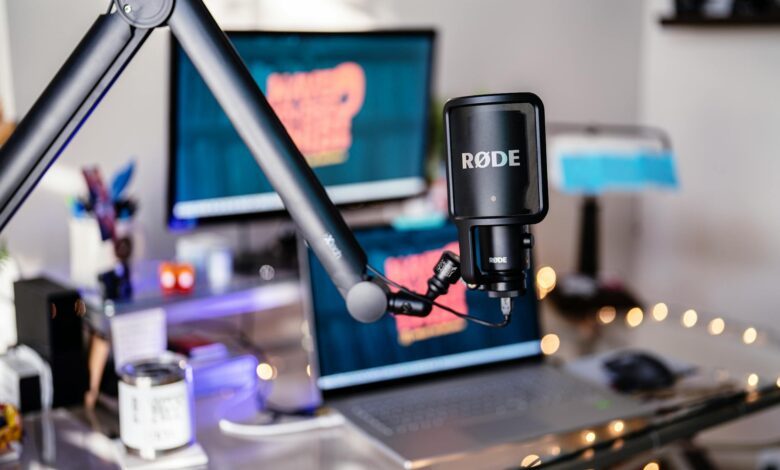
Spotify quietly rolled out video podcast testing features to select creators last month, marking the streaming giant’s boldest move yet into YouTube’s dominant territory. The Swedish company is betting that podcasters want more than just audio engagement as the medium evolves beyond traditional radio-style formats.
The new tools allow podcast hosts to record, upload, and stream video content directly through Spotify’s creator platform. Unlike YouTube’s complex monetization system, Spotify’s approach focuses on subscription-based revenue sharing and premium ad placements that creators can control. Early beta testers report smoother integration with existing podcast workflows compared to managing separate audio and video uploads.
This strategic shift comes as podcast consumption habits change rapidly. Recent industry data shows video podcasts generate 30% more listener engagement than audio-only versions, with viewers staying tuned longer when visual elements complement conversations. Major podcasters like Joe Rogan already leverage video formats, but smaller creators often lack resources to manage multiple platforms effectively.
Platform Wars Heat Up in Creator Economy
Spotify’s video push directly challenges YouTube’s podcast dominance while addressing creator pain points that Google’s platform hasn’t solved. YouTube’s algorithm prioritizes short-form content, often burying longer podcast episodes in search results. Creators frequently complain about unpredictable monetization changes and limited audience data insights.
The timing aligns with broader tech industry shifts toward creator-focused features. TikTok Parent Company ByteDance Expands Into Cloud Computing Services, showing how major platforms diversify beyond their core offerings to capture more creator economy value.
Spotify’s advantage lies in its existing relationship with podcast listeners who already spend hours weekly on the platform. The company reports over 5 million podcast titles available globally, with podcast listening up 23% year-over-year. Adding video capabilities could keep users within Spotify’s ecosystem rather than sending them to YouTube for visual content.
Early features include split-screen layouts showing both host and guest, screen sharing for interviews, and automated highlight clips that creators can share across social media platforms. The interface reportedly feels familiar to podcasters already using Spotify’s audio recording tools, reducing the learning curve that often accompanies new video platforms.
Revenue Models Target Creator Sustainability
Unlike YouTube’s ad-revenue sharing that fluctuates with algorithm changes, Spotify’s video podcast monetization focuses on predictable income streams. Beta creators can set subscription tiers for exclusive video content while maintaining free audio versions. Premium subscribers get early access to video episodes, behind-the-scenes footage, and interactive Q&A sessions.
The platform also tests dynamic ad insertion specifically designed for video podcasts. Advertisers can place products visually within episodes while hosts discuss relevant topics, creating more organic integration than traditional pre-roll advertisements. This approach appeals to brands seeking authentic influencer partnerships rather than interruptive advertising.
Spotify’s existing relationships with major podcast networks like Gimlet Media and Parcast provide built-in content for the video platform launch. These professional productions can showcase platform capabilities while independent creators build their video presence gradually.
Technical Infrastructure Challenges Ahead
Video hosting requires significantly more server capacity and bandwidth than audio streaming. Spotify must scale infrastructure to handle potentially millions of video uploads without compromising its core music streaming quality. The company hasn’t disclosed specific technical specifications, but industry experts estimate video podcasts could triple storage requirements within two years.
Competition extends beyond YouTube to newer platforms like Riverside.fm and SquadCast that specifically target podcast video recording. These specialized tools offer features like automatic backup recording and real-time collaboration that general platforms struggle to match. Spotify’s challenge involves building comprehensive video capabilities while maintaining its streamlined user experience.
Mobile optimization presents another hurdle. Podcast listeners often multitask while streaming audio, but video content demands visual attention. Spotify’s mobile app must balance video quality with battery life and data usage concerns that don’t affect audio-only content.
The platform tests picture-in-picture modes that let users minimize video while browsing other app sections. This feature could bridge the gap between passive audio listening and active video watching, allowing users to switch between modes seamlessly during episodes.
Industry Response and Future Implications
YouTube responded to Spotify’s video podcast push by expanding YouTube Shorts integration for podcast highlights and improving podcast-specific search algorithms. The Google-owned platform also rolled out enhanced creator analytics tools specifically for long-form content, directly addressing pain points that drive podcasters toward alternatives.
Amazon’s Audible launched competing video features for select original podcasts, while Apple reportedly considers similar capabilities for Apple Podcasts. The rush to capture video podcast audiences reflects broader recognition that audio-only formats limit growth potential in an increasingly visual digital landscape.
Traditional media companies watch this evolution carefully as podcast advertising revenue approaches $2 billion annually. Video podcasts command higher advertising rates than audio versions, making platform choice crucial for creator income and network profitability.
Spotify’s video podcast testing represents more than feature expansion-it signals a fundamental shift in how audiences consume conversational content. As creators gain access to professional-grade video tools within platforms they already use, the distinction between traditional podcasts and streaming video shows continues blurring. The company that successfully bridges this gap while maintaining creator-friendly policies will likely dominate the next phase of digital audio evolution.
Frequently Asked Questions
When will Spotify’s video podcast features be widely available?
Spotify hasn’t announced a public launch date, currently testing with select creators in beta phase.
How will Spotify’s video podcasts differ from YouTube?
Spotify focuses on subscription-based revenue and integrated audio-video workflows rather than algorithm-dependent ad revenue.