


SpaceX’s dominance in satellite internet faces its biggest challenge yet as Europe launches an ambitious constellation to compete directly with Starlink’s growing network of over 5,000 satellites.
The European Space Agency and a consortium of telecommunications companies have unveiled plans for a massive satellite network that could reshape the global internet landscape. While Starlink has revolutionized rural connectivity and emergency communications, European officials argue their approach will offer superior privacy protections and regulatory compliance for international markets.

Europe’s Answer to Starlink Takes Shape
The European satellite initiative, backed by major telecom providers including Orange, Deutsche Telekom, and Telefonica, represents the continent’s most serious attempt to challenge American dominance in space-based internet services. The project aims to deploy thousands of low-Earth orbit satellites over the next decade, with initial launches scheduled to begin within two years.
Unlike Starlink’s rapid deployment strategy, the European network emphasizes data sovereignty and stricter privacy controls. European regulators have expressed concerns about American companies controlling critical communications infrastructure, particularly given ongoing tensions over data protection and national security.
The timing reflects broader geopolitical shifts in the tech industry. Just as Amazon faces increased regulatory scrutiny over market dominance, SpaceX finds itself navigating complex international regulations as it expands Starlink globally.
Industry analysts note that European satellite manufacturers like Airbus and Thales have the technical expertise to build competitive systems, but face the challenge of matching SpaceX’s cost efficiency and launch capabilities. The European consortium plans to leverage existing telecommunications infrastructure and partnerships with national space agencies to accelerate deployment.
Technical Challenges and Market Realities
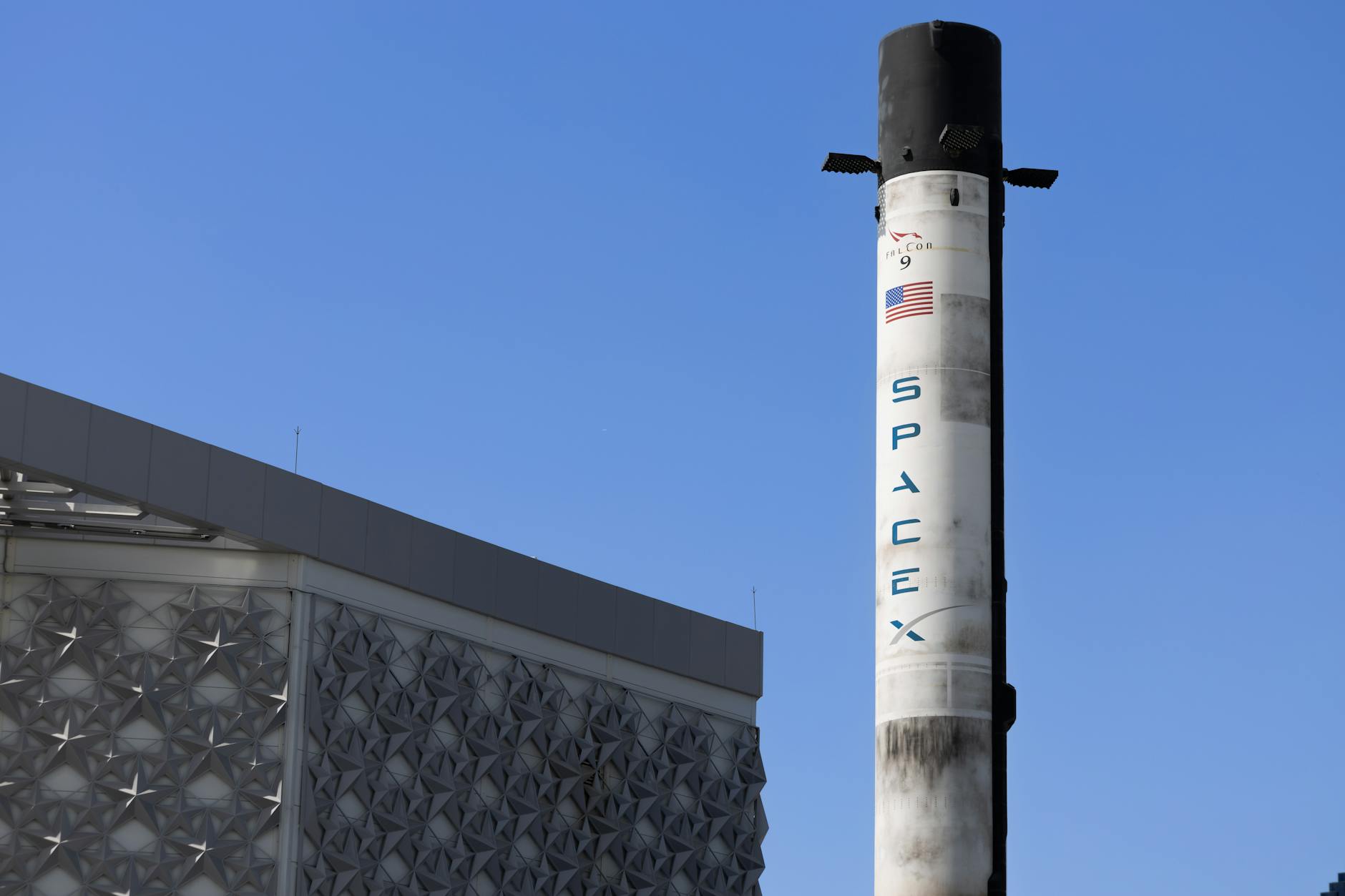
Building a satellite constellation to rival Starlink requires overcoming significant technical and financial hurdles. SpaceX has spent billions developing its Falcon 9 rocket system and satellite manufacturing capabilities, creating substantial cost advantages that competitors struggle to match.
The European project faces the challenge of securing reliable, cost-effective launch services. While Europe’s Ariane rockets provide launch capabilities, they currently cost significantly more per kilogram than SpaceX’s reusable Falcon 9 system. This cost differential could impact the European network’s ability to achieve price competitiveness with Starlink’s consumer services.
Spectrum allocation presents another complex challenge. Radio frequencies for satellite communications are regulated internationally, and prime spectrum bands are increasingly crowded. The European consortium must coordinate with existing satellite operators and national regulators across multiple countries to secure the frequencies needed for their network.
Technical specifications for the European satellites emphasize different priorities than Starlink. While Elon Musk’s company focuses on high-speed consumer internet and mobile connectivity, the European approach prioritizes enterprise customers, government users, and applications requiring enhanced security features.
The European satellites will reportedly incorporate advanced encryption and data localization capabilities designed to meet strict EU privacy regulations. This approach could attract customers concerned about data sovereignty, particularly government agencies and businesses handling sensitive information.
Market Impact and Competitive Dynamics
The satellite internet market has exploded in recent years, driven by demand for high-speed connectivity in remote areas and backup communications for businesses and governments. Starlink currently serves over two million customers worldwide, with particularly strong adoption in rural areas and maritime applications.
Competition in this space extends beyond Europe. Amazon’s Project Kuiper aims to deploy thousands of satellites, while other companies including OneWeb and China’s satellite initiatives are also vying for market share. This intensifying competition could benefit consumers through lower prices and improved service options.
The European network’s focus on regulatory compliance and data protection could provide advantages in international markets where concerns about American tech dominance are growing. Several countries have expressed interest in satellite internet services that offer greater control over data flows and compliance with local regulations.
Enterprise customers represent a particularly attractive segment for the European constellation. Many multinational corporations require satellite connectivity that meets specific regulatory requirements across different jurisdictions. The European system’s emphasis on compliance and data sovereignty could appeal to these customers, even at potentially higher prices than consumer-focused alternatives.

Future of Satellite Internet Competition
The emergence of serious competition to Starlink signals a maturing satellite internet industry where multiple providers will likely coexist, serving different market segments and geographic regions. This diversification could drive innovation and improve service reliability through redundancy.
Regulatory developments will play a crucial role in shaping competitive dynamics. The European Union is developing comprehensive regulations for space-based services, while other regions are crafting their own approaches to satellite internet oversight. These regulatory frameworks will influence which providers can operate in different markets and under what conditions.
The success of the European satellite network will depend largely on execution capabilities and market timing. While the technical challenges are significant, the backing of major European telecom companies and government agencies provides substantial resources and market access that could enable competitive positioning against established players.
As the satellite internet industry evolves, consumers and businesses worldwide stand to benefit from increased competition, improved services, and potentially lower costs. The race to connect the world from space is accelerating, with multiple players now competing to shape the future of global communications infrastructure.
Frequently Asked Questions
What makes the European satellite network different from Starlink?
The European network emphasizes data sovereignty, stricter privacy controls, and regulatory compliance for international markets.
When will the European satellite network begin operations?
Initial launches are scheduled to begin within two years, with full deployment planned over the next decade.