


South Korea’s National Assembly passed groundbreaking legislation mandating military service for women starting January 1, 2026, making it only the third country worldwide to require universal conscription regardless of gender. The decision comes amid escalating tensions with North Korea and China’s growing military presence in the region.
The new law requires all South Korean women aged 18-28 to complete 18 months of military service, matching the current requirement for men. Women can choose between active duty in the armed forces, alternative service in cyber defense units, or civil service roles supporting national security infrastructure.
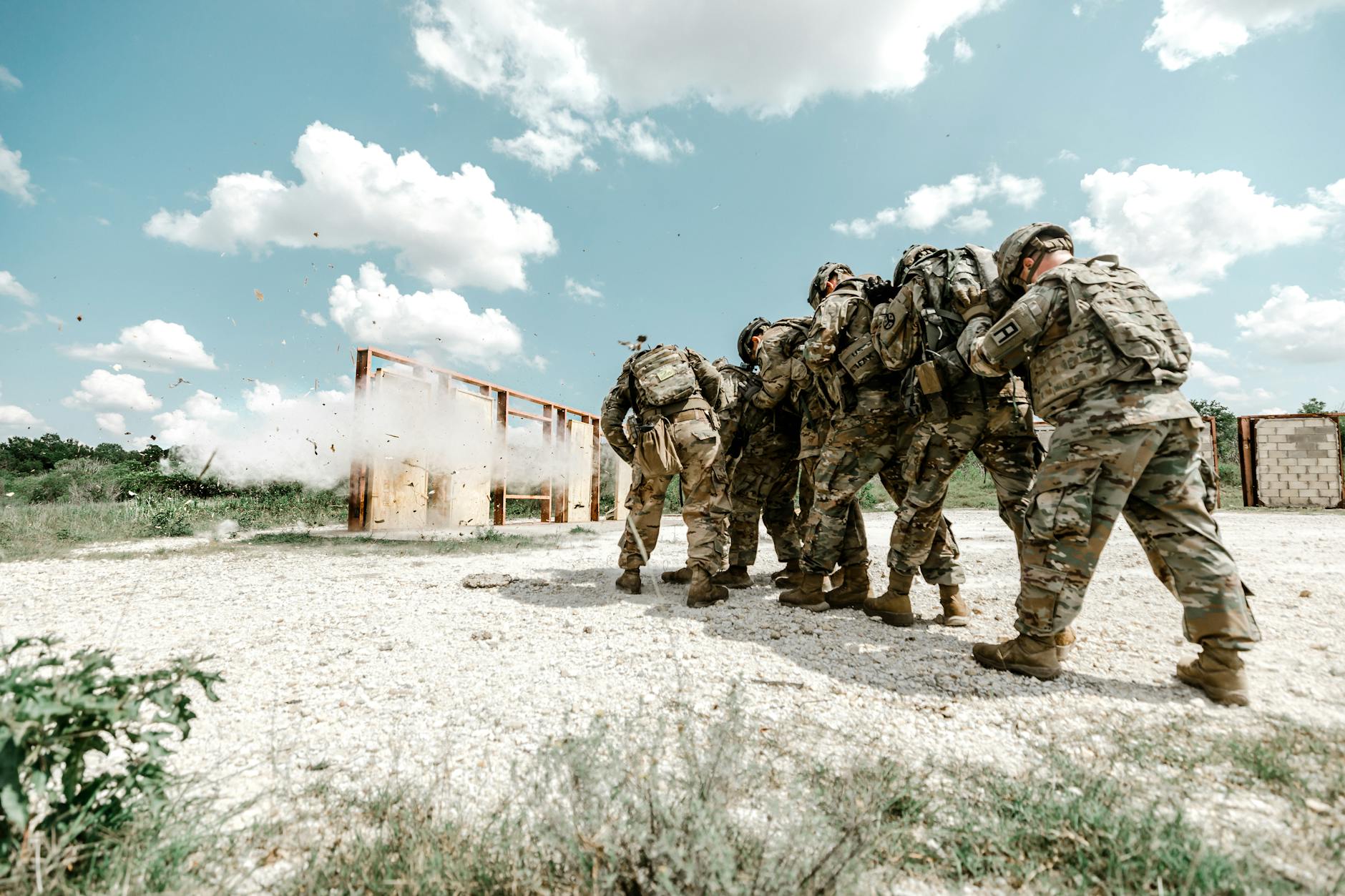
Breaking Decades of Male-Only Conscription
Since 1957, South Korea has maintained one of the world’s most comprehensive male conscription systems, requiring nearly all men to serve approximately 18-21 months depending on their branch of service. The policy has shaped generations of South Korean society, creating shared experiences among men while leaving women largely outside the military framework.
The legislation passed with 167 votes in favor and 123 against, following months of heated parliamentary debate. Supporters argued that demographic changes and evolving security threats necessitate expanding the military’s human resources. South Korea’s birth rate, among the world’s lowest at 0.78 children per woman, has raised concerns about maintaining adequate military strength through traditional male-only conscription.
President Yoon Suk-yeol, who initially opposed universal conscription during his campaign, shifted his position following briefings on regional security developments. “Modern warfare requires diverse skill sets and perspectives,” Yoon stated during the bill’s signing ceremony. “Our women have proven their capabilities in every sector of society, and our defense forces will benefit from their contributions.”
Regional Security Pressures Drive Policy Shift
The timing of this legislation reflects South Korea’s increasingly complex security environment. North Korea has accelerated its missile development program, conducting over 70 missile tests in 2023 alone. Additionally, China’s military buildup and assertive actions in the South China Sea have raised concerns among South Korean defense planners about potential future conflicts.
Military analysts point to successful integration of women in combat roles across NATO countries and Israel as evidence supporting the policy change. Colonel Park Min-jung, South Korea’s highest-ranking female officer, noted that women currently comprise only 7% of the Republic of Korea Armed Forces, well below the 15-20% average in comparable democracies.
The new system allows women to choose their service path based on aptitude and preference. Combat roles in the Army, Navy, Air Force, and Marine Corps remain available, while expanded cyber warfare and intelligence units specifically target skills often associated with women’s educational strengths in STEM fields.

Implementation Challenges and Social Resistance
Opposition to the mandate has emerged from multiple quarters. Conservative religious groups argue the policy undermines traditional family structures, while some feminist organizations contend it places unfair burdens on women already facing workplace discrimination. Labor unions worry about workforce disruptions as companies lose employees to military service.
The Ministry of National Defense estimates the policy will add approximately 180,000 women to military ranks annually once fully implemented. This expansion requires significant infrastructure investments, including separate housing facilities, updated training protocols, and modified equipment sizing. The government allocated 2.8 trillion won (approximately $2.1 billion) for implementation costs over the next five years.
Economic concerns center on potential labor market disruptions. South Korea’s already tight job market may face additional strain as companies must accommodate employees taking military leave. However, economic modeling suggests the policy could boost long-term economic growth by increasing women’s participation in defense-related industries and technical fields.
Social adaptation presents perhaps the greatest challenge. South Korean society has traditionally viewed military service as a male rite of passage, creating social bonds and career networks that often exclude women. The integration process will require careful management to avoid exacerbating existing gender tensions.
International Comparisons and Future Implications
South Korea joins Israel and Norway as the only countries requiring military service from both men and women. Israel implemented universal conscription in 1949, while Norway adopted gender-neutral conscription in 2015. Both countries report successful integration, though their smaller populations and different cultural contexts may not directly translate to South Korea’s experience.
The policy’s success could influence military policies across Asia, where several countries face similar demographic and security challenges. Japan, facing its own population decline, has observed South Korea’s debate closely as it considers expanding its Self-Defense Forces’ recruitment base.
Regional implications extend beyond military considerations. As tensions continue between major powers, particularly evident in recent developments like China and Russia strengthening their partnership despite international sanctions, South Korea’s move signals its commitment to maintaining defensive capabilities regardless of international pressure.
The legislation includes provisions for conscientious objector status and alternative service options, addressing concerns raised by human rights organizations. Women can apply for exemptions based on religious beliefs, family hardship, or medical conditions, following procedures similar to those available to men.
South Korea’s bold step toward universal military service represents a fundamental shift in how democratic nations approach national defense in an era of changing demographics and evolving security threats. Whether other countries follow this model will largely depend on how successfully South Korea navigates the complex social, economic, and military challenges ahead. The policy’s implementation over the next two years will provide crucial data for other nations grappling with similar decisions about their defense requirements and social obligations.
Frequently Asked Questions
When does mandatory military service for South Korean women begin?
The requirement starts January 1, 2026, for women aged 18-28, with 18 months of service required.
What service options do South Korean women have under the new law?
Women can choose active military duty, cyber defense units, or civil service roles supporting national security infrastructure.