Severe Tornado Outbreak Devastates Multiple States Across Midwest Region

Tornado sirens pierced the night air across six Midwest states as the most destructive weather outbreak in three years carved a devastating path through America’s heartland. The violent storm system spawned over forty confirmed tornadoes, leaving at least fifteen people dead and hundreds injured across Illinois, Indiana, Missouri, Kentucky, Tennessee, and Arkansas.
The outbreak began Tuesday evening when a powerful low-pressure system collided with an unusually warm air mass, creating perfect conditions for supercell thunderstorms. Within hours, meteorologists at the National Weather Service Storm Prediction Center were tracking multiple tornado-producing storms moving northeast at speeds exceeding 50 miles per hour.
“This was a textbook setup for a major tornado outbreak,” said Dr. Sarah Martinez, a meteorologist with the National Weather Service. “The atmospheric dynamics were extraordinarily favorable for long-track, violent tornadoes.”
Path of Destruction Spans Hundreds of Miles
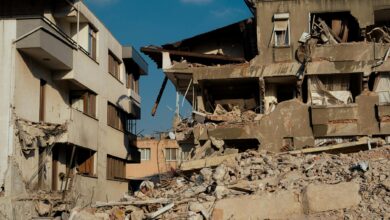
The most devastating tornado touched down near Sikeston, Missouri, at approximately 9:47 PM Tuesday, rapidly intensifying into an EF-4 twister with winds reaching 180 miles per hour. The storm carved a 78-mile path of destruction through southeastern Missouri and western Kentucky, completely leveling entire neighborhoods in its wake.
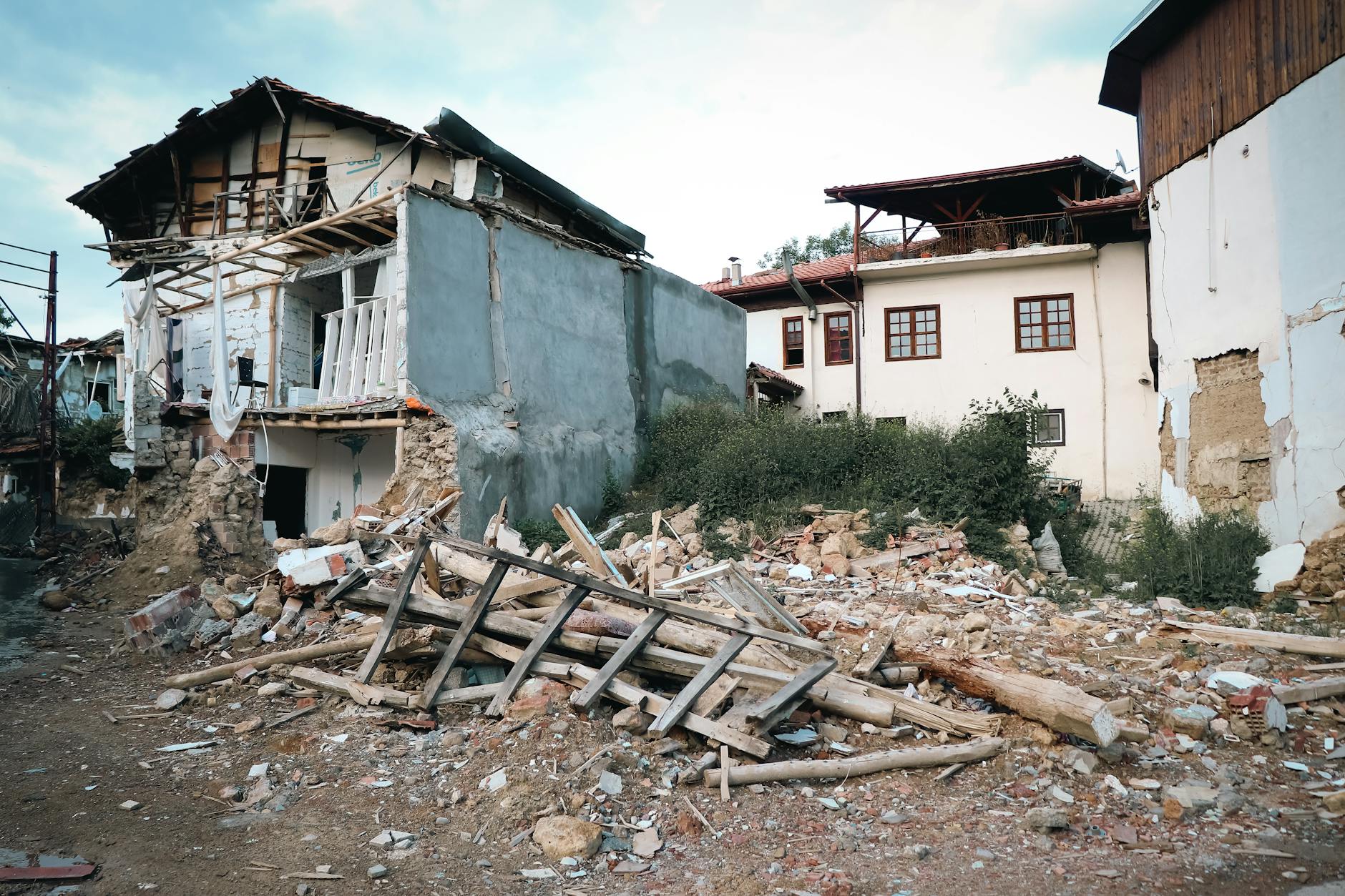
In the small town of Mayfield, Kentucky, the tornado destroyed over 300 homes and damaged the historic downtown district. Emergency responders worked through the night pulling survivors from collapsed buildings as temperatures dropped below freezing, complicating rescue efforts.
“I’ve lived here forty-three years and never seen anything like this,” said Mayfield resident Janet Wilson, whose home was reduced to splinters. “It sounded like a freight train was coming right through our living room.”
The Illinois communities of Carbondale and Harrisburg bore the brunt of separate tornadoes that struck within minutes of each other around midnight. The Harrisburg tornado, rated preliminary EF-3, destroyed a manufacturing plant that employed over 200 workers, though the facility was closed at the time of impact.
Across Indiana, three separate tornadoes touched down in rural areas, damaging farms and destroying grain silos. The town of Princeton reported significant damage to its downtown area, including the collapse of a century-old courthouse that served as a local landmark.
Emergency Response and Rescue Operations
State emergency management agencies mobilized search and rescue teams before dawn Wednesday, deploying specialized equipment and personnel to the hardest-hit areas. The National Guard was activated in Illinois, Missouri, and Kentucky to assist with debris removal and security operations.
Arkansas Governor Sarah Huckabee Sanders declared a state of emergency for twelve counties after tornadoes damaged hundreds of structures across the state’s northeast region. Similar emergency declarations followed in Illinois and Missouri as officials worked to assess the full scope of the damage.
“Our priority right now is search and rescue,” said Illinois Emergency Management Agency Director Alicia Tate-Nadeau. “We have teams working around the clock to ensure no one is trapped in the debris.”

Power outages affected over 400,000 customers across the affected states, with some rural communities expected to remain without electricity for several days. Utility companies from neighboring states dispatched repair crews to assist with restoration efforts, though damaged transmission lines and blocked roads slowed progress.
The American Red Cross established emergency shelters in school gymnasiums and community centers to house displaced families. Local churches and community organizations mobilized to provide food, clothing, and temporary shelter for those who lost their homes.
Several major highways remained closed Wednesday morning due to debris and damaged overpasses. Interstate 64 in Kentucky was particularly hard hit, with a section near the Illinois border completely impassable after the tornado deposited twisted metal and concrete across all four lanes.
Economic Impact and Infrastructure Damage
Preliminary damage estimates suggest the outbreak could result in over two billion dollars in losses, making it one of the costliest tornado events of the year. Insurance companies began deploying catastrophe response teams to process claims and assess damage in affected communities.
The agricultural sector suffered significant losses, with the tornado destroying grain storage facilities, livestock barns, and farm equipment across multiple counties. Missouri’s agricultural extension service reported damage to thousands of acres of winter wheat crops that were preparing for spring harvest.
Critical infrastructure took a substantial hit, with water treatment plants in three communities suffering damage that left residents under boil-water advisories. Several schools sustained major structural damage and will require extensive repairs before students can return to classrooms.
The outbreak’s impact extended beyond physical damage, as similar extreme weather events have disrupted supply chains and economic activity. Recent infrastructure disruptions in Texas have highlighted the vulnerability of critical systems to natural disasters and extreme weather.
Manufacturing facilities in the affected region reported temporary shutdowns to assess damage and ensure worker safety. A automotive parts plant in southern Illinois sustained roof damage that halted production of components used by major car manufacturers.
Climate Context and Future Preparedness
Meteorologists noted that Tuesday’s outbreak occurred unusually late in the tornado season, when such violent weather typically becomes less common. The event adds to a growing body of research suggesting that climate change may be altering traditional tornado season patterns and increasing the intensity of severe weather events.
“We’re seeing more instances of late-season tornado outbreaks with characteristics we typically associate with peak spring activity,” explained Dr. James Thompson, a severe weather researcher at the University of Oklahoma. “The atmospheric patterns that support these events are becoming less predictable.”
The National Weather Service praised the performance of early warning systems, noting that tornado warnings were issued an average of seventeen minutes before tornadoes touched down. This advance notice likely prevented the death toll from being significantly higher, though officials acknowledged that nighttime tornadoes remain particularly dangerous.
Recovery efforts will continue for months as communities work to rebuild damaged infrastructure and homes. Federal disaster declarations are expected to provide funding for debris removal, temporary housing assistance, and public infrastructure repairs.
Emergency management officials are already reviewing response procedures and updating preparedness plans based on lessons learned from the outbreak. The event serves as a stark reminder of the Midwest’s vulnerability to severe weather and the importance of maintaining robust warning systems and emergency response capabilities.
As cleanup begins and communities start the long process of rebuilding, meteorologists continue monitoring weather patterns across the region. While no immediate threats are forecast, the outbreak underscores the ongoing need for vigilance and preparedness in an era of increasingly unpredictable severe weather events.
Frequently Asked Questions
How many tornadoes were confirmed in the outbreak?
Over forty tornadoes were confirmed across six Midwest states during the outbreak.
Which states were affected by the tornado outbreak?
Illinois, Indiana, Missouri, Kentucky, Tennessee, and Arkansas were hit by the tornado outbreak.