
Russia and China Sign Major Energy Partnership Agreement Despite Western Sanctions

Russia and China have solidified their strategic partnership with a comprehensive energy agreement that expands cooperation across oil, gas, and renewable sectors. The deal, signed amid ongoing Western sanctions, represents the largest energy partnership between the two nations and signals a significant shift in global energy alliances.
The agreement encompasses multiple facets of energy cooperation, from traditional fossil fuel projects to cutting-edge renewable technology development. Officials from both countries described the partnership as a cornerstone of their broader economic relationship, designed to reduce dependence on Western markets and create alternative supply chains.
Expanding Energy Infrastructure and Trade
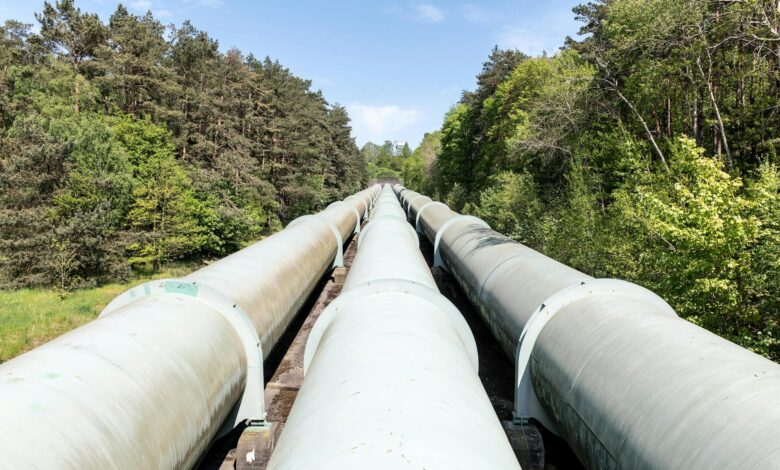
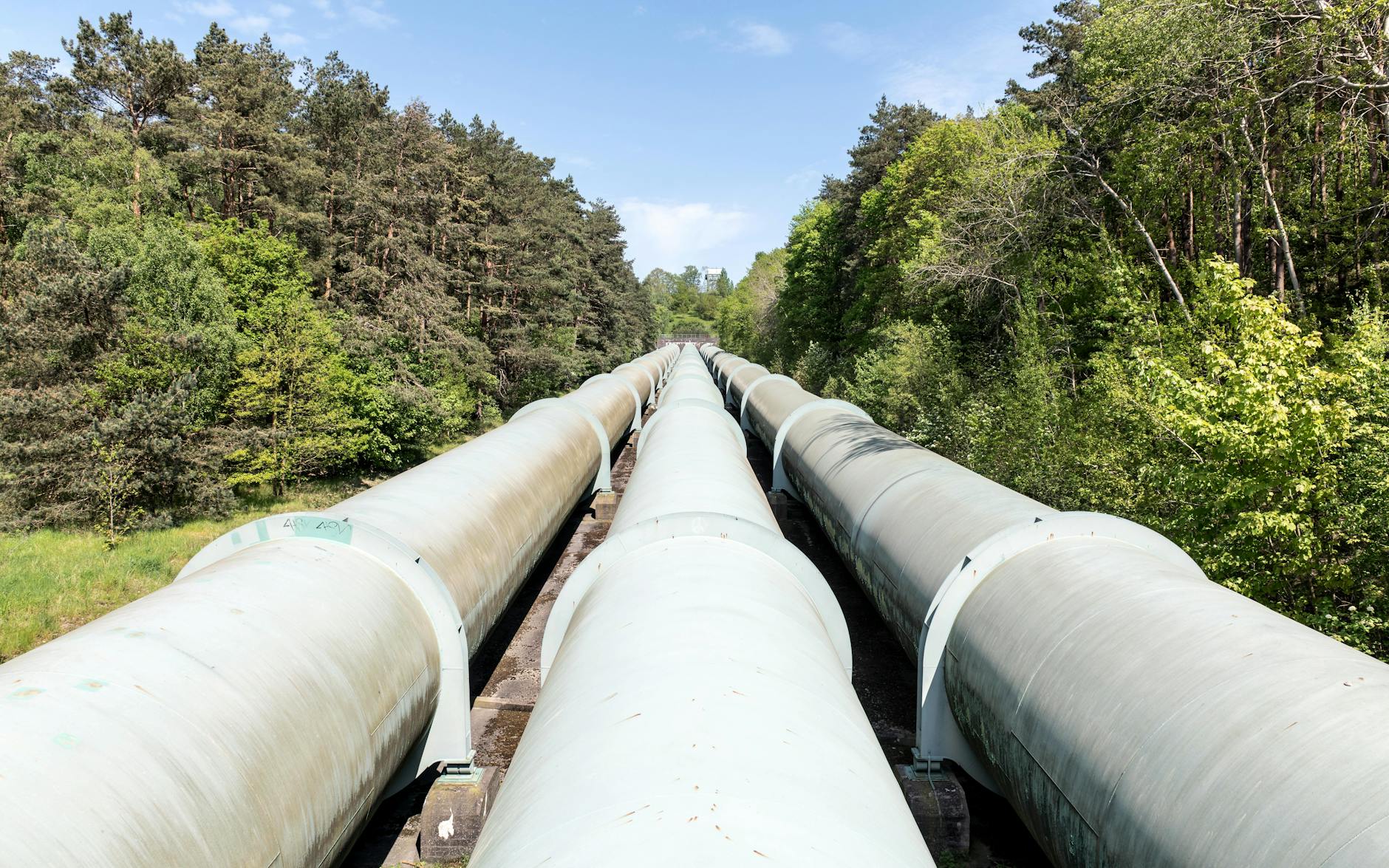
The partnership centers on several major infrastructure projects, including new pipeline networks and expanded rail transport systems for energy commodities. Russia’s energy minister highlighted plans to increase natural gas exports to China through both existing and planned pipeline routes, while Chinese officials emphasized their commitment to long-term energy security through diversified partnerships.
Key components of the agreement include enhanced cooperation in liquefied natural gas projects, joint development of Arctic energy resources, and technology sharing for oil refining processes. The deal also establishes framework agreements for renewable energy projects, including wind and solar installations across both countries.
Trade volumes between the two energy sectors have already reached record levels this year, with China becoming Russia’s largest energy customer. The new agreement formalizes and expands these trading relationships, creating structured long-term contracts that provide stability for both nations’ energy planning.
Strategic Response to Western Sanctions
The timing of this agreement reflects both countries’ strategic response to international pressure and sanctions regimes. Russia has actively pursued alternative markets for its energy exports since facing restrictions from Western nations, while China has sought to secure reliable energy supplies for its growing economy.
Energy analysts note that this partnership allows Russia to maintain revenue streams from its vast energy resources while providing China with access to competitively priced fuel supplies. The agreement includes provisions for payment systems that bypass traditional Western financial networks, utilizing alternative currencies and payment mechanisms.

The partnership also encompasses technology transfer agreements, allowing both countries to develop domestic capabilities in energy production and processing. This aspect addresses concerns about technological dependence on Western companies and systems, creating more self-sufficient energy sectors.
Regional dynamics play a crucial role in this expanded cooperation, with both countries viewing energy security as fundamental to their national interests. The agreement establishes joint research initiatives and shared infrastructure projects that strengthen economic ties beyond simple commodity trading.
Implications for Global Energy Markets
This Russia-China energy partnership has significant implications for global energy markets and geopolitical relationships. The scale of cooperation creates an alternative energy trading bloc that operates independently of Western-dominated markets and institutions.
Industry observers point to the agreement as evidence of shifting global energy alliances, with traditional supplier-customer relationships evolving into comprehensive strategic partnerships. The deal includes provisions for coordinated responses to market volatility and shared approaches to energy pricing mechanisms.
The partnership also affects regional neighbors and trading partners, as both Russia and China expand their energy cooperation networks. Similar to how North Korea has reopened its borders to Chinese tourists, regional relationships are adapting to new geopolitical realities and economic opportunities.
Environmental considerations feature prominently in the agreement, with both countries committing to cleaner energy technologies and reduced emissions from traditional energy projects. This includes joint development of carbon capture technologies and expanded renewable energy cooperation.
Long-term Economic and Political Impact
The energy agreement represents more than commodity trading – it establishes a framework for deeper economic integration between Russia and China. Joint ventures, shared infrastructure, and technology cooperation create lasting economic ties that extend beyond simple buyer-seller relationships.
Political implications include strengthened diplomatic cooperation and coordinated approaches to international energy governance. Both countries view energy security as central to their national sovereignty and economic development strategies.
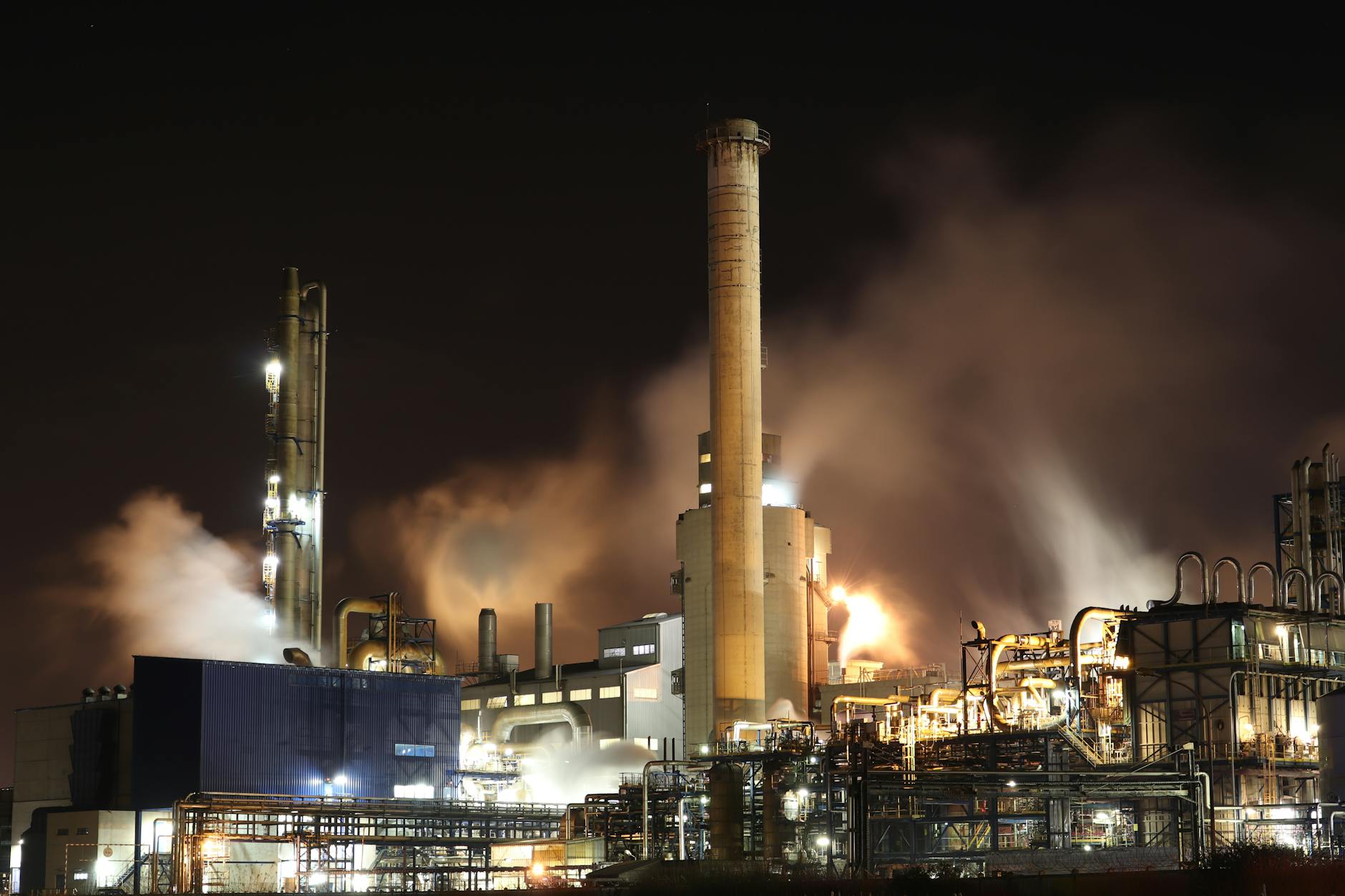
The agreement’s success will depend on implementation of major infrastructure projects and resolution of technical challenges in cross-border energy transport. Both countries have committed significant resources to ensure project completion and operational success.
Market analysts project that this partnership will influence global energy pricing and supply chain dynamics for years to come. The scale of cooperation creates a significant alternative to Western-dominated energy markets and establishes new precedents for international energy cooperation.
As global energy markets continue evolving, this Russia-China partnership represents a fundamental shift toward multipolar energy governance and regional cooperation blocks. The agreement’s implementation will test both countries’ abilities to create sustainable alternatives to traditional Western-centered energy systems while meeting their domestic energy security objectives.
Frequently Asked Questions
What does the Russia-China energy agreement include?
The partnership covers oil, gas, renewable energy projects, infrastructure development, and technology sharing between both countries.
How does this agreement affect global energy markets?
It creates an alternative energy trading bloc independent of Western markets and establishes new precedents for international energy cooperation.