
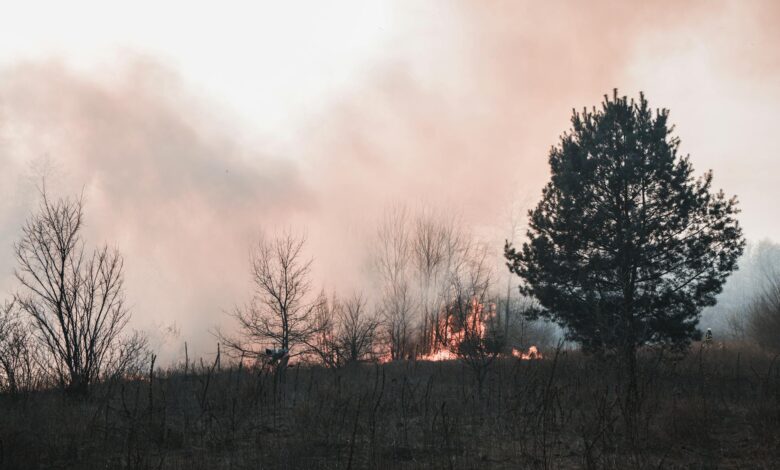
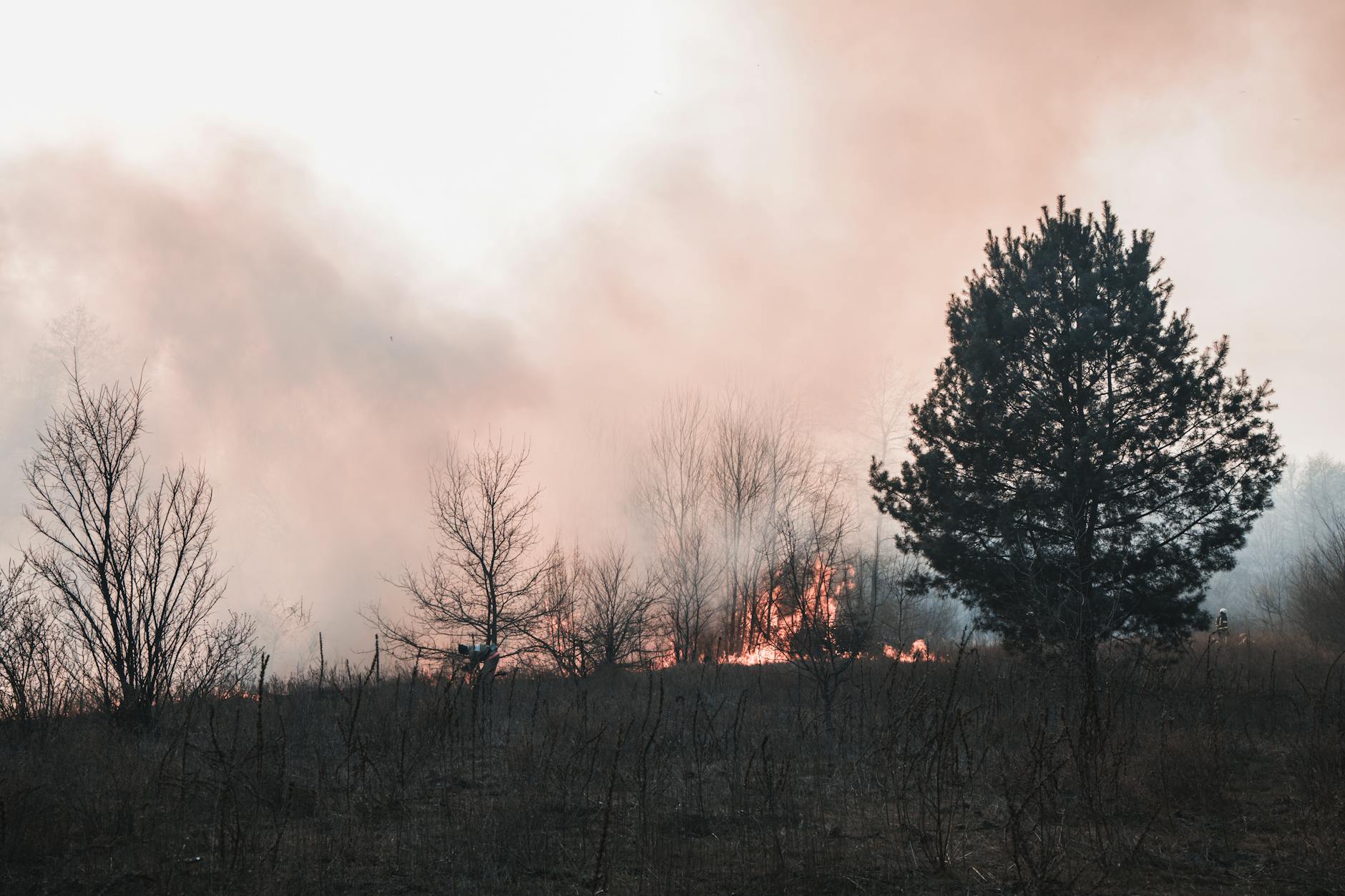
Flames taller than skyscrapers race across Australia’s premier wine regions at unprecedented speeds, consuming decades of careful cultivation in mere hours. The current wildfire season has shattered records, forcing the largest mass evacuation in South Australia’s history as blazes threaten iconic wine valleys that produce some of the world’s most celebrated vintages.
Emergency services have evacuated over 50,000 residents from the Adelaide Hills, Barossa Valley, and McLaren Vale regions as fires spread across 800,000 hectares in just four days. Wind gusts exceeding 100 kilometers per hour have turned controlled burns into unstoppable infernos, creating fire tornadoes and ember storms that leap across firebreaks designed to contain smaller blazes.
The crisis represents more than an environmental disaster – it threatens Australia’s $5.5 billion wine industry and the livelihoods of thousands who depend on viticulture. Climate scientists warn this could become the new normal as extreme weather events intensify globally, similar to the unprecedented challenges facing other nations dealing with population and environmental pressures.
Wine Industry Faces Catastrophic Losses
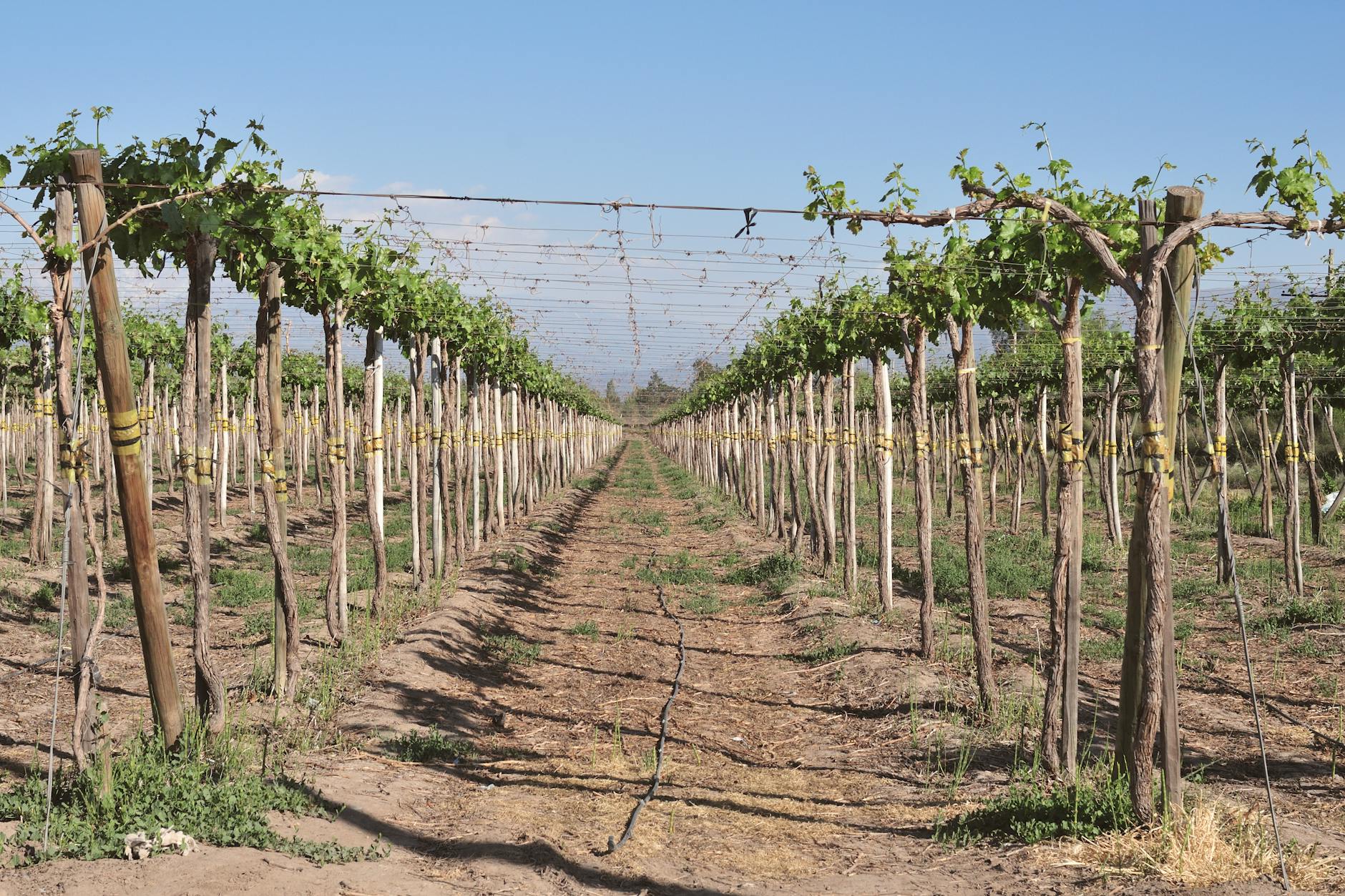
The fires have already destroyed 47 wineries and damaged thousands of hectares of premium vineyard land. Penfolds, one of Australia’s most prestigious wine brands, lost its historic Magill Estate visitor center, while smaller family operations face complete devastation.
“We’re watching 150 years of winemaking heritage burn,” says Sarah Chen, president of the South Australian Wine Industry Association. “Some of these vine stocks were planted by German settlers in the 1840s. You can’t replace that overnight.”
The timing proves particularly devastating as harvest season approaches. Grapes hanging heavy on vines represent millions of dollars in potential revenue now lost to smoke and flame. Even vineyards that escape direct fire damage face contamination from smoke taint, which renders grapes unusable for quality wine production.
Insurance companies estimate preliminary losses exceed $800 million, but industry experts believe the true cost will climb much higher once secondary impacts become clear. Supply chain disruptions, lost tourism revenue, and soil rehabilitation costs compound the immediate destruction.
Emergency Response Overwhelmed by Scale
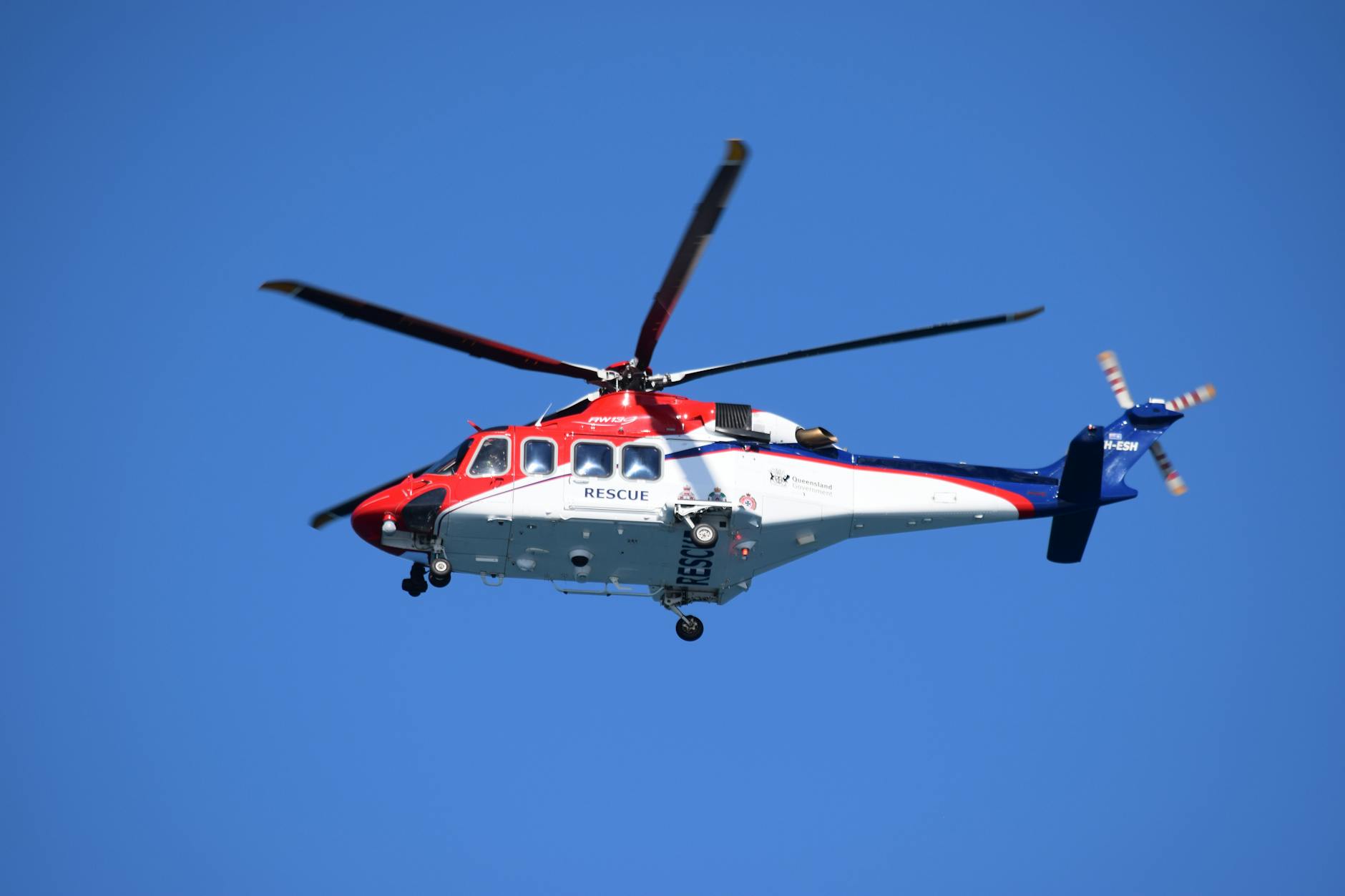
Australia’s Country Fire Service has deployed every available resource, including 200 fire trucks, 15 water-bombing aircraft, and 3,000 volunteer firefighters. International assistance arrived from New Zealand and Canada, bringing specialized equipment and experienced crews familiar with large-scale wildfire suppression.
Despite these efforts, the fires continue spreading faster than containment lines can be established. Traditional firefighting strategies prove inadequate against blazes that generate their own weather systems, creating lightning strikes that spark new fires kilometers ahead of the main front.
“We’re essentially fighting multiple fires that behave like one massive organism,” explains Chief Fire Officer Michael Torres. “The heat signature visible from satellites shows temperatures exceeding 1,200 degrees Celsius – hot enough to melt aluminum.”
Evacuation centers in Adelaide, Mount Barker, and Murray Bridge house thousands of displaced residents, many of whom fled with only essentials. The Red Cross coordinates relief efforts while government agencies work to provide temporary housing for families who lost homes.
Emergency broadcasts continue around the clock, updating residents on fire movements and evacuation zones. Social media platforms carry real-time warnings as conditions change rapidly, with some areas receiving evacuation orders with less than 30 minutes notice.
Climate Change Accelerates Fire Behavior
Meteorologists attribute the unprecedented fire behavior to a combination of record-breaking temperatures, prolonged drought, and unusual wind patterns. December temperatures reached 47 degrees Celsius in Adelaide, while rainfall totals dropped to historic lows across wine-growing regions.
Dr. Emma Rodriguez, a fire behavior specialist at the University of Adelaide, explains how climate change creates perfect conditions for catastrophic fires. “We’re seeing fire seasons that start earlier, burn hotter, and last longer. The traditional fire season boundaries no longer apply.”
The current fires display characteristics previously seen only in laboratory simulations of extreme fire weather. Flame heights reach 60 meters, creating their own wind systems that can shift fire direction unpredictably. These pyrocumulonimbus clouds generate lightning strikes that ignite new fires up to 20 kilometers away from the main blaze.
Soil temperatures in burned areas exceed levels that kill root systems of established vines, meaning replanting efforts must wait until soil conditions recover. Scientists estimate full ecosystem restoration could take decades, fundamentally altering the landscape that defines Australia’s wine regions.
Industry Adapts to New Reality
Wine producers who survive this crisis face difficult decisions about rebuilding and future risk management. Some consider relocating operations to cooler regions less prone to extreme fire weather, while others invest in underground storage facilities and advanced fire suppression systems.
Technology companies develop new monitoring tools using satellite imagery and AI prediction models to provide earlier fire warnings. Drone surveillance systems patrol vineyard perimeters, detecting heat signatures that indicate potential ignition sources before fires establish.
The disaster highlights broader challenges facing agricultural industries worldwide as extreme weather becomes more frequent and severe. Australia’s wine sector joins a growing list of industries forced to fundamentally rethink traditional practices in response to climate pressures.
Recovery efforts will require unprecedented coordination between government agencies, insurance companies, and private industry. Early estimates suggest full restoration of damaged wine regions could take a decade and cost billions of dollars, assuming similar fires don’t strike during the rebuilding process.
As firefighters continue their dangerous work containing these record-breaking blazes, Australia faces hard questions about how to protect its agricultural heritage while adapting to an increasingly volatile climate future.
Frequently Asked Questions
How many people have been evacuated from Australian wine regions?
Over 50,000 residents have been evacuated from Adelaide Hills, Barossa Valley, and McLaren Vale regions due to the unprecedented wildfires.
What is the estimated damage to Australia’s wine industry?
Preliminary losses exceed $800 million, with 47 wineries destroyed and thousands of hectares of premium vineyard land damaged or lost.