
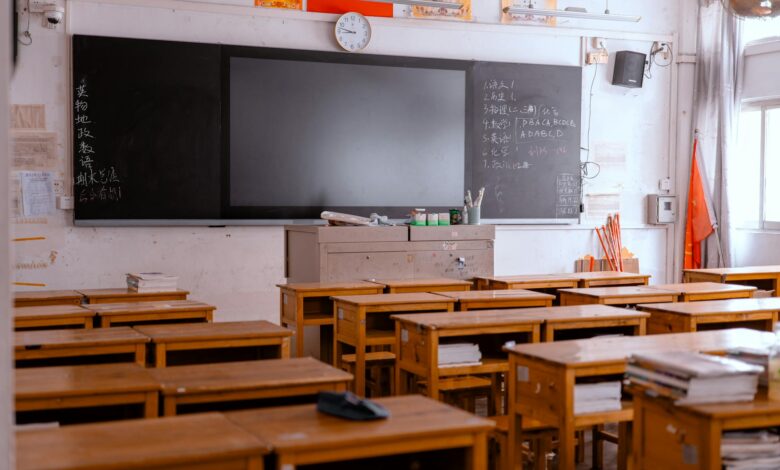
Temperatures soared past 45 degrees Celsius across the Iberian Peninsula this week, forcing hundreds of schools to close their doors and sending millions seeking refuge in air-conditioned shelters. The unprecedented heat wave has shattered temperature records from Seville to Porto, creating what meteorologists are calling the most severe early autumn heat event in decades.
Spanish authorities ordered emergency school closures in Andalusia, Extremadura, and parts of Castile-La Mancha as classrooms became unbearable furnaces. In Cordoba, where temperatures reached 47°C, officials evacuated three primary schools after several children required medical attention for heat exhaustion. Portugal’s education ministry followed suit, shuttering over 200 schools across the Alentejo and Algarve regions.
The timing couldn’t be worse. Students had just returned from summer break, eager to start the new academic year. Instead, they’re trapped indoors while their school buildings become too dangerous to occupy.
Infrastructure Buckles Under Extreme Heat
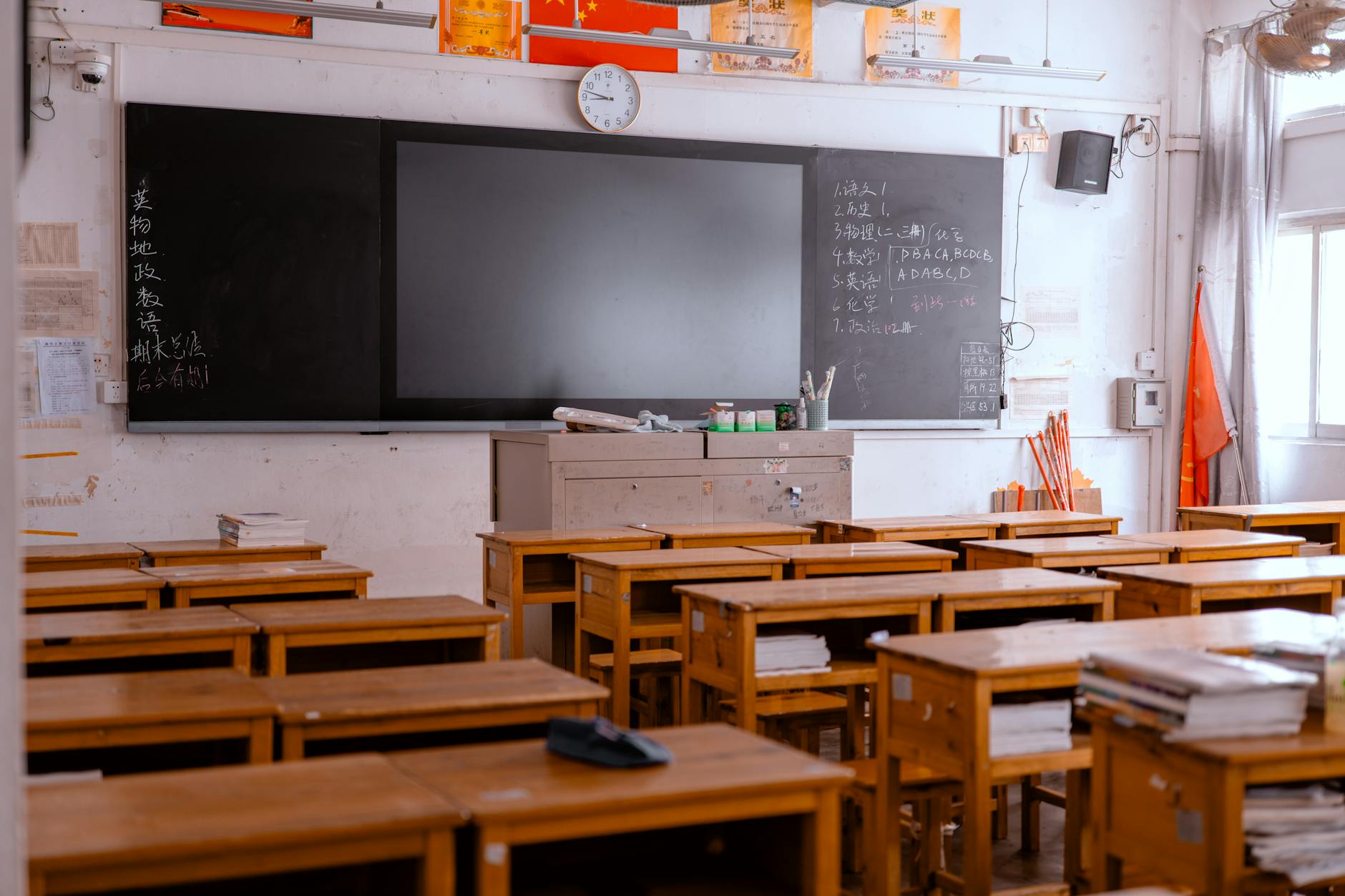
The relentless sun has exposed critical weaknesses in Southern Europe’s educational infrastructure. Most schools in the region lack adequate air conditioning, relying instead on natural ventilation and older building designs meant for milder climates. When temperatures climb above 40°C, these structures become heat traps.
Dr. Maria Santos, a climate researcher at the University of Madrid, explains the broader implications: “These buildings were designed for a different climate reality. What we’re seeing now – sustained temperatures above 45°C – simply wasn’t factored into construction standards from the 1970s and 80s when many of these schools were built.”
The situation mirrors extreme weather events affecting other regions, similar to the massive flooding that recently displaced communities in Northern England, highlighting how climate change is disrupting education systems across Europe.
Power grids are straining under unprecedented demand as air conditioning units run at maximum capacity. Rolling blackouts have hit parts of Extremadura and southern Portugal, adding another layer of complexity to the crisis. Without reliable electricity, even schools with cooling systems cannot provide safe learning environments.
Health Crisis Emerges in Affected Regions
Hospitals across the region report a surge in heat-related illnesses, particularly among children and elderly residents. Emergency rooms in Seville, Badajoz, and Faro have treated dozens of cases of heat exhaustion and dehydration since Monday.
The regional health authority in Andalusia issued emergency protocols requiring schools to monitor student temperatures and maintain hydration stations. Several schools attempted to continue classes with modified schedules – starting at dawn and ending by noon – but even these measures proved insufficient as morning temperatures exceeded 35°C.

Youth sports leagues canceled all outdoor activities indefinitely. The Spanish Football Federation suspended regional tournaments, while local swimming facilities extended hours to provide cooling centers. Public libraries and shopping centers have become unofficial refuges for families with school-age children.
Child psychologists warn about the mental health impact of prolonged school disruptions. “Children thrive on routine and social interaction,” explains Dr. Carlos Mendez from Porto’s Children’s Hospital. “When extreme weather repeatedly disrupts their education, it creates anxiety and learning gaps that can persist long after temperatures normalize.”
Long-term Consequences for Education
Education officials face difficult decisions about infrastructure investment and academic calendars. Some regions are considering permanently shifting school schedules to avoid the hottest parts of the day, while others debate emergency cooling system installations.
The Spanish Ministry of Education announced a 200-million-euro emergency fund for school climate adaptation, but experts warn this represents only a fraction of needed investments. Retrofitting thousands of schools with modern cooling systems will require years and massive public spending.
Portugal’s government is exploring innovative solutions, including underground classrooms and passive cooling technologies. The University of Lisbon has partnered with local architects to design heat-resistant school prototypes that could serve as models for future construction.
Teachers unions demand immediate action beyond temporary closures. “Our members cannot work in 45-degree classrooms,” states Elena Rodriguez, spokesperson for Spain’s largest educators’ union. “This isn’t just about comfort – it’s about basic workplace safety and educational quality.”

Climate Adaptation Becomes Educational Priority
This crisis represents a turning point for educational planning across Southern Europe. Climate scientists predict such extreme heat events will become more frequent and severe, making temporary solutions inadequate.
Regional governments are fast-tracking climate adaptation studies and consulting with experts from traditionally hotter regions. Officials have reached out to counterparts in countries like Qatar and Australia for guidance on heat-resistant educational infrastructure.
The broader implications extend beyond education. This heat wave, combined with other extreme weather disrupting communities worldwide, demonstrates how climate change is reshaping basic public services. The challenge now is building resilient systems before the next crisis strikes.
As temperatures slowly begin to moderate this weekend, students may return to classrooms next week. However, meteorologists warn that above-normal temperatures will persist through October, virtually guaranteeing additional disruptions before winter brings relief. The question isn’t whether Southern Europe can weather this particular heat wave, but whether its educational systems can adapt quickly enough for the increasingly extreme climate ahead.
Frequently Asked Questions
Why are schools closing due to heat in Spain and Portugal?
Temperatures exceeding 45°C have made classrooms unsafe, with many schools lacking adequate air conditioning systems to protect students and staff.
How long will the school closures last?
Closures continue as long as dangerous temperatures persist, with some schools potentially closed through the week as the heat wave gradually moderates.