


Pakistan has committed to planting 10 billion trees over the next five years, marking one of the most ambitious reforestation initiatives in South Asian history. The program, officially launched last month by Prime Minister Shehbaz Sharif, aims to restore degraded forests across all four provinces while creating thousands of jobs in rural communities.
The initiative builds on the success of Khyber Pakhtunkhwa province’s “Billion Tree Tsunami” program, which exceeded its original target by planting 1.18 billion saplings between 2014 and 2018. Environmental experts praised that earlier effort as a model for other developing nations facing similar deforestation challenges.

Addressing Pakistan’s Environmental Crisis
Pakistan faces severe environmental challenges that make this reforestation program crucial for the country’s future. The nation has lost nearly 25% of its forest cover over the past three decades, with current forest coverage at just 5.7% compared to the global average of 31%.
Climate change has intensified these problems dramatically. The devastating 2022 floods affected 33 million people and submerged one-third of the country, causing damages exceeding $30 billion. Rising temperatures and erratic monsoon patterns have made Pakistan one of the world’s most climate-vulnerable nations, ranking eighth on the Global Climate Risk Index.
Deforestation has accelerated due to rapid urbanization, agricultural expansion, and illegal logging. The northern regions, home to some of the world’s largest glaciers outside the polar areas, are experiencing unprecedented ice melt that threatens water security for over 200 million people downstream.
The government’s new program specifically targets degraded lands in Balochistan, Punjab, Sindh, and Khyber Pakhtunkhwa provinces. Each region will receive native species suited to local climate conditions, with mangroves prioritized along the 1,100-kilometer coastline.
Implementation Strategy and Community Involvement
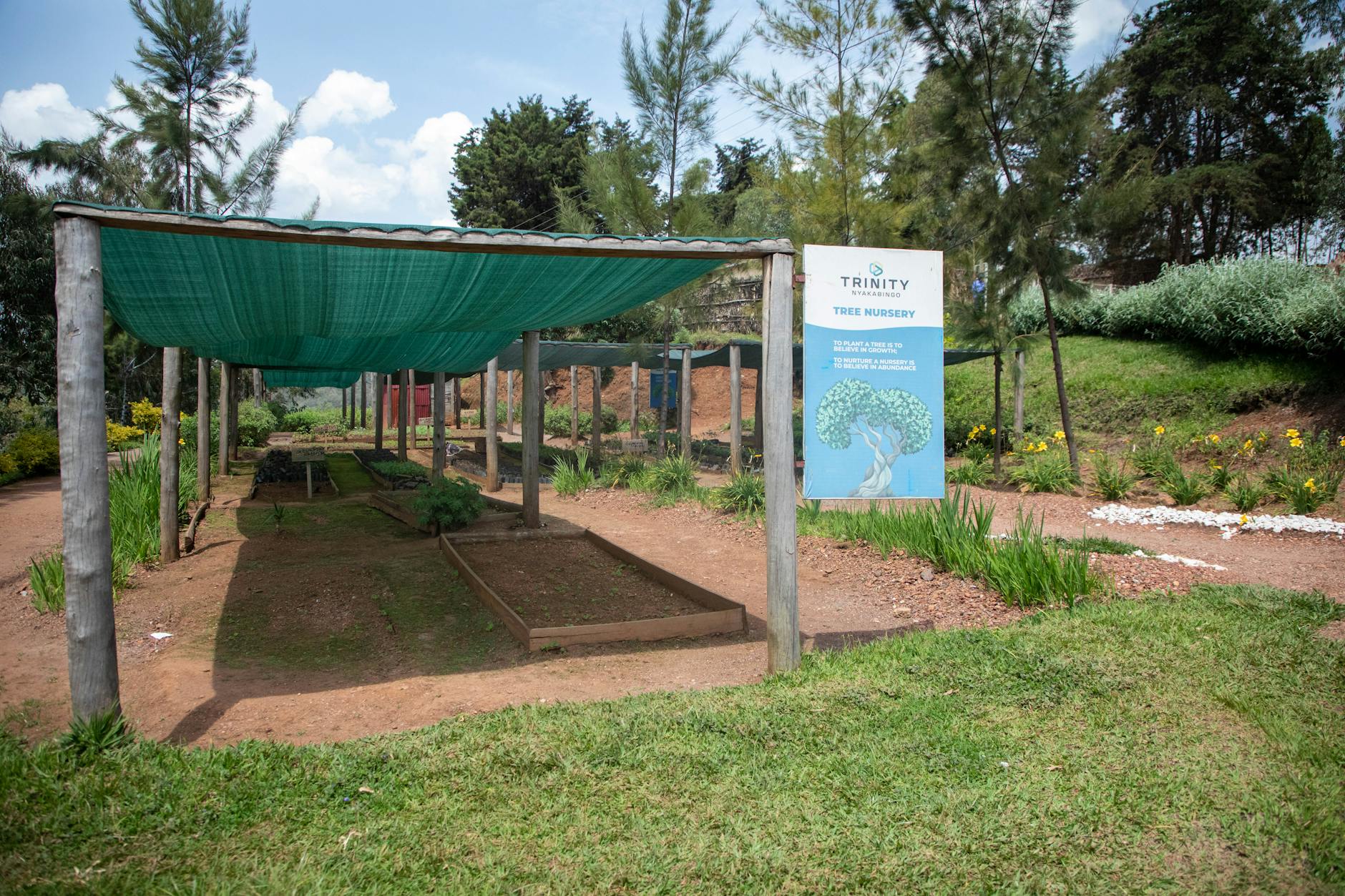
The reforestation program operates through a multi-tiered approach that emphasizes community participation and sustainable practices. Local communities receive training in nursery management, tree planting techniques, and long-term forest maintenance.
Women’s groups play a central role in the initiative, with over 15,000 rural women already enrolled in tree-growing cooperatives. These groups receive micro-financing to establish community nurseries and earn income through sapling sales to the government program.
Technology integration sets this effort apart from previous reforestation attempts. Satellite monitoring systems track planting progress and survival rates across all sites. Mobile applications allow field workers to report data in real-time, ensuring accountability and rapid response to challenges.
The program includes strict penalties for illegal tree cutting, with fines increased by 300% under new environmental protection laws. Forest rangers receive enhanced training and equipment to monitor protected areas more effectively.
Private sector partnerships have emerged as a key component of the strategy. Major Pakistani corporations, including Engro Corporation and Lucky Cement, have committed to funding specific reforestation zones as part of their corporate social responsibility initiatives.
International support has also materialized, with the World Bank providing $188 million in funding and the European Union contributing technical expertise through its forest management programs.
Economic and Social Benefits
The reforestation program is projected to create over 85,000 direct jobs in rural areas where unemployment rates often exceed 15%. These positions range from tree nursery workers to forest guards and environmental monitors.
Economic modeling suggests the program could generate $2.3 billion in environmental benefits over 20 years through improved air quality, soil conservation, and water retention. Carbon sequestration alone is expected to remove 300 million tons of CO2 from the atmosphere during the program’s duration.
Tourism potential represents another significant economic opportunity. The northern areas, once fully reforested, could attract additional eco-tourism revenue to complement existing destinations like the Hunza Valley and Skardu region.
Agricultural benefits include reduced soil erosion and improved water table levels in farming communities. The Pakistan Agricultural Research Council reports that areas with 15% forest cover show 40% better crop yields compared to deforested regions.
Urban air quality improvements are already measurable in cities like Lahore and Peshawar, where earlier tree-planting efforts have contributed to reduced smog levels during winter months.
Global Context and Regional Leadership
Pakistan’s initiative places it among leading nations in global reforestation efforts, following successful programs in countries like Ethiopia and Rwanda. The scale rivals China’s massive afforestation projects and exceeds many European restoration programs in scope.
Regional cooperation has emerged as governments recognize that environmental challenges transcend borders. While Brazil and Argentina launch joint space programs to monitor deforestation, South Asian nations are sharing best practices for forest restoration.
The program aligns with Pakistan’s commitments under the Paris Climate Agreement to reduce greenhouse gas emissions by 50% by 2030. Forest restoration accounts for nearly 60% of the country’s planned emission reductions.
International climate experts view Pakistan’s approach as particularly significant because it demonstrates how developing nations can lead environmental restoration while addressing poverty and unemployment simultaneously.

The success of this ambitious program will depend on sustained political commitment across multiple election cycles and continued community engagement in remote areas. Early results show promising survival rates for newly planted trees, with 78% of saplings from the first phase showing healthy growth after one year.
As climate change accelerates globally, Pakistan’s reforestation initiative offers a blueprint for other nations facing similar environmental and economic challenges. The program’s emphasis on community ownership and economic benefits could influence international climate policy and funding priorities for years to come.
Frequently Asked Questions
How many trees will Pakistan plant in its reforestation program?
Pakistan plans to plant 10 billion trees over the next five years across all four provinces.
What are the main benefits of Pakistan’s tree planting initiative?
The program will create 85,000 jobs, improve air quality, prevent soil erosion, and help Pakistan meet its climate commitments.