

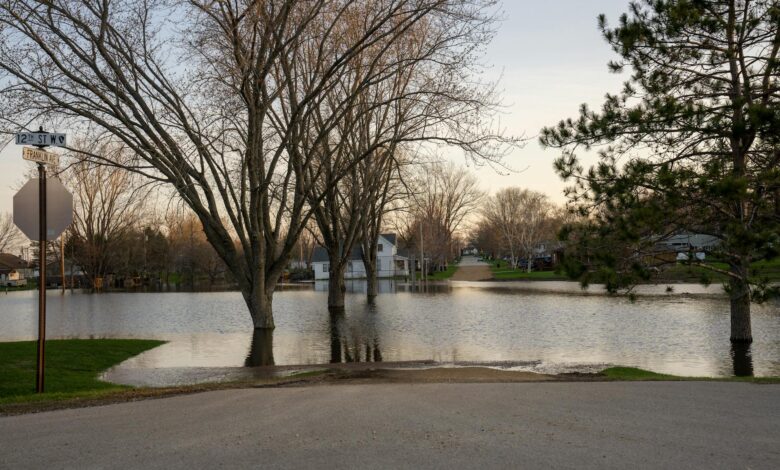
Torrential rains have unleashed catastrophic flooding across Pakistan’s southern provinces, forcing over 3.2 million people from their homes as the monsoon season arrives nearly six weeks ahead of schedule. The unprecedented early onset has caught communities unprepared, overwhelming infrastructure and triggering the largest displacement crisis the nation has faced since 2010.
The Pakistan Meteorological Department reports rainfall levels 400% above normal for this time of year, with some areas receiving a month’s worth of precipitation in just 48 hours. Sindh and Balochistan provinces bear the brunt of the destruction, with entire villages submerged under fast-moving floodwaters that have claimed over 180 lives and left thousands more missing.
Unprecedented Scale of Destruction
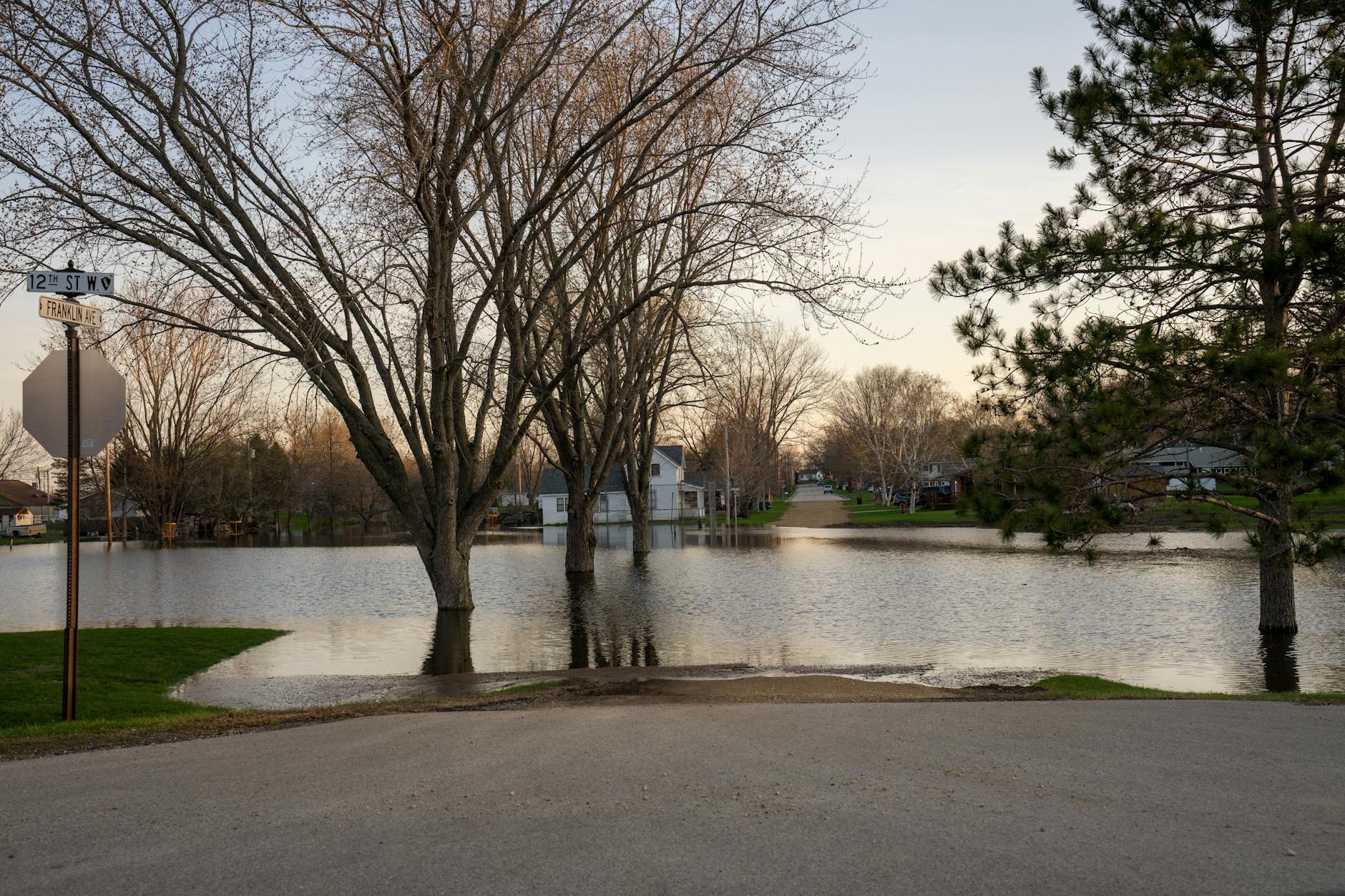
The flooding has transformed Pakistan’s landscape into a water-logged disaster zone spanning an area roughly the size of the United Kingdom. Satellite imagery reveals over 15,000 square kilometers under water, with major transportation arteries completely severed. The Indus River system, Pakistan’s lifeline, has burst its banks at multiple points, creating new temporary lakes where farmland once flourished.
Emergency response teams struggle to reach isolated communities as bridges collapse and roads disappear under the deluge. The provincial government of Sindh has declared a state of emergency, mobilizing all available resources to conduct rescue operations. However, the sheer scale of the crisis has overwhelmed local capacity, prompting urgent appeals for international assistance.
“We have never seen anything like this in our lifetime,” said Syed Murad Ali Shah, Chief Minister of Sindh province, during a press conference in Karachi. “The water is everywhere, and it keeps rising. Our people are trapped on rooftops, waiting for help that may not come in time.”
The agricultural sector faces complete devastation, with cotton, rice, and sugarcane crops destroyed across millions of acres. Early estimates suggest economic losses could exceed $10 billion, dealing a severe blow to Pakistan’s already fragile economy. The timing proves particularly cruel, as farmers had invested heavily in this season’s crops, expecting normal weather patterns.
Climate Change Accelerates Extreme Weather
Meteorologists attribute the early and intense monsoon to shifting climate patterns that have made extreme weather events more frequent and severe across South Asia. The phenomenon mirrors similar disruptions witnessed across the globe, from record-breaking heat waves in Europe to unprecedented rainfall in typically arid regions.
Pakistan ranks among the world’s most vulnerable countries to climate change impacts, despite contributing less than 1% of global greenhouse gas emissions. The nation’s geography makes it particularly susceptible to monsoon variability, with the Indus River system draining massive watersheds that can quickly overwhelm downstream areas during heavy rainfall periods.
Dr. Fahad Saeed, a climate scientist at Climate Analytics, explains that warming temperatures in the Arabian Sea have intensified moisture-carrying capacity of monsoon winds. “What we’re seeing is a preview of Pakistan’s climate future – more intense rainfall events compressed into shorter periods, followed by longer dry spells that leave communities even more vulnerable.”
The flooding exposes critical gaps in Pakistan’s climate adaptation infrastructure. Decades of underinvestment in flood management systems have left major population centers defensely against extreme weather. Drainage systems designed for historical rainfall patterns prove inadequate for the new climate reality.
International climate finance pledged to help developing nations adapt to climate change has been slow to materialize. Pakistan’s National Disaster Management Authority estimates the country needs $14 billion over the next decade to build climate-resilient infrastructure, but current funding falls far short of requirements.
Humanitarian Crisis Unfolds
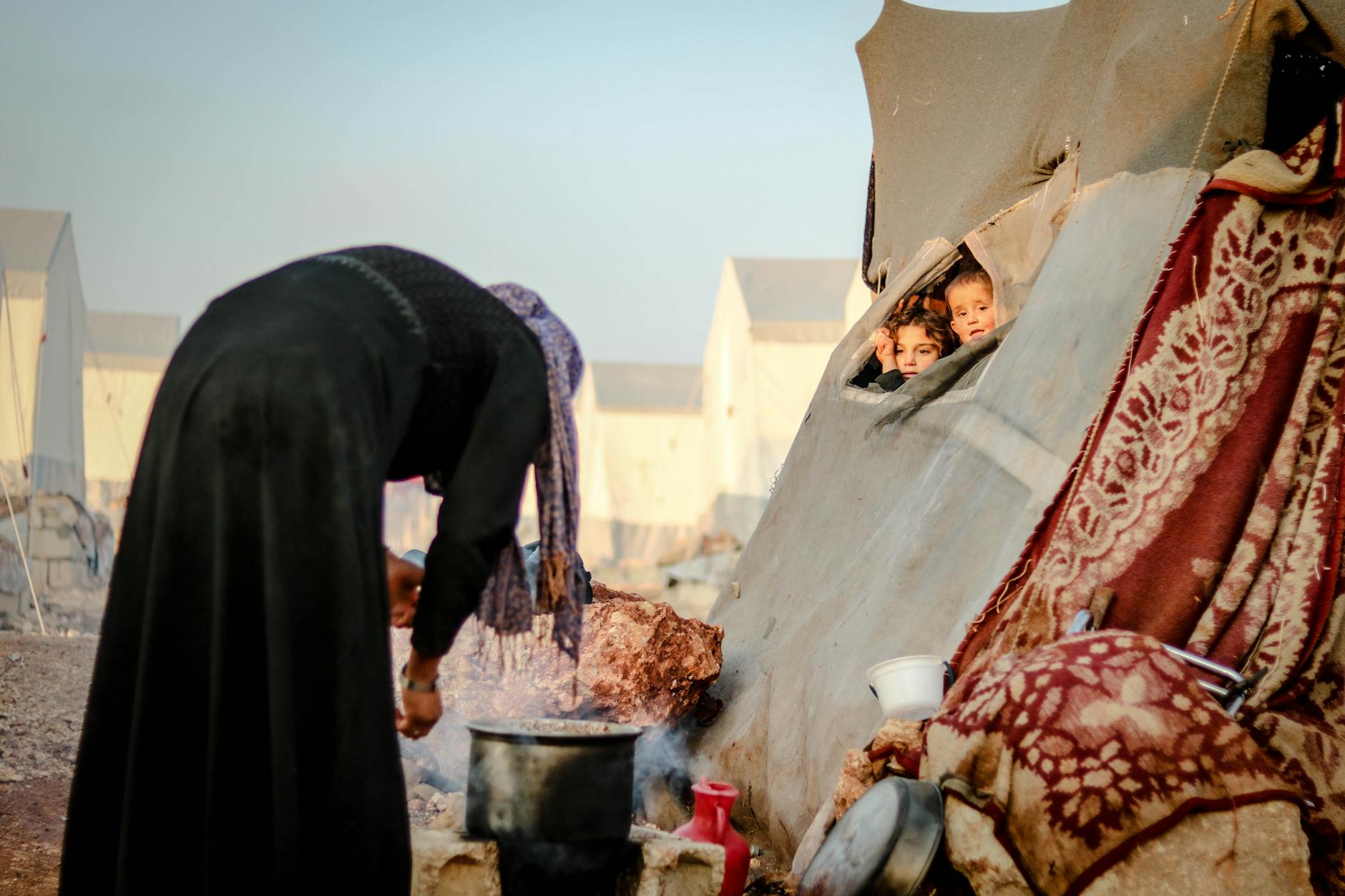
Relief camps hastily established across the affected regions house hundreds of thousands of displaced families, but conditions remain dire. Clean water scarcity has become acute, with water treatment plants flooded and wells contaminated. Health officials warn of potential disease outbreaks as sanitation systems collapse under the strain.
Children comprise nearly half of those displaced, facing particular risks from waterborne diseases and malnutrition. Schools serving as evacuation centers cannot reopen, disrupting education for over 1.2 million students. UNICEF has launched an emergency appeal for $37 million to provide immediate assistance to affected children and families.
The flooding has disproportionately impacted Pakistan’s most vulnerable communities. Rural populations with limited resources find themselves trapped in a cycle where climate disasters destroy livelihoods, making recovery and future preparedness even more challenging. Women and girls face additional risks in overcrowded relief camps with inadequate privacy and security measures.
Food security concerns mount as supply chains break down and markets flood. The World Food Programme estimates that 5.7 million people now require immediate food assistance, adding to existing hunger challenges in the region. Livestock losses further compound food insecurity, as millions of animals have perished in the floods.
International Response and Long-Term Challenges
The international community has begun mobilizing support, with neighboring countries offering immediate humanitarian assistance. China, Pakistan’s close ally, has pledged emergency supplies and technical expertise for flood management. The United Nations has launched a flash appeal for $160 million to address immediate humanitarian needs over the next six months.
However, the scale of destruction requires sustained, long-term commitment that extends far beyond emergency relief. Pakistan’s experience highlights the urgent need for a fundamental shift in how the international community approaches climate vulnerability in developing nations.
The disaster occurs against the backdrop of ongoing global crises that strain international attention and resources. While diplomatic efforts focus on conflicts in Europe, climate disasters in South Asia receive comparatively less international media coverage and funding.
Recovery efforts will test Pakistan’s institutional capacity and political stability. The government faces mounting pressure to demonstrate effective crisis management while addressing underlying vulnerabilities that make such disasters so devastating. Success will require not just rebuilding what was lost, but reimagining development patterns that can withstand future climate shocks.
As rescue operations continue and the full extent of damage becomes clear, Pakistan’s flooding serves as a stark reminder that climate change impacts are not distant future threats – they are present-day realities reshaping lives and communities across the globe. The question now is whether the international community will respond with the urgency and scale this crisis demands, or whether Pakistan will be left to face its climate future alone.
Frequently Asked Questions
How many people are displaced by Pakistan floods?
Over 3.2 million people have been displaced by the flooding, with entire villages submerged under fast-moving floodwaters.
Why did monsoon season start early in Pakistan?
Climate change has shifted weather patterns, with warming Arabian Sea temperatures intensifying monsoon winds and rainfall capacity.