

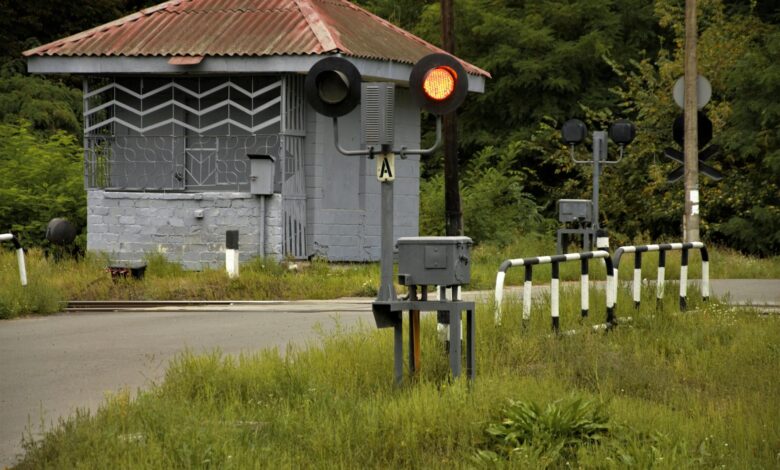
For the first time since the COVID-19 pandemic began, North Korea has quietly begun welcoming Chinese tourists back across its borders, marking a significant shift in the hermit kingdom’s isolationist stance. The move comes after three years of complete border closure that devastated the country’s tourism industry and further isolated its 26 million citizens from the outside world.
The reopening began with small, carefully managed tour groups crossing from Dandong, China, into the North Korean border city of Sinuiju. These initial visitors represent the first trickle of what was once a steady stream of Chinese tourists who provided crucial foreign currency to Kim Jong Un’s regime. Before the pandemic, Chinese nationals accounted for roughly 90% of North Korea’s foreign visitors, with an estimated 350,000 tourists crossing the border annually.
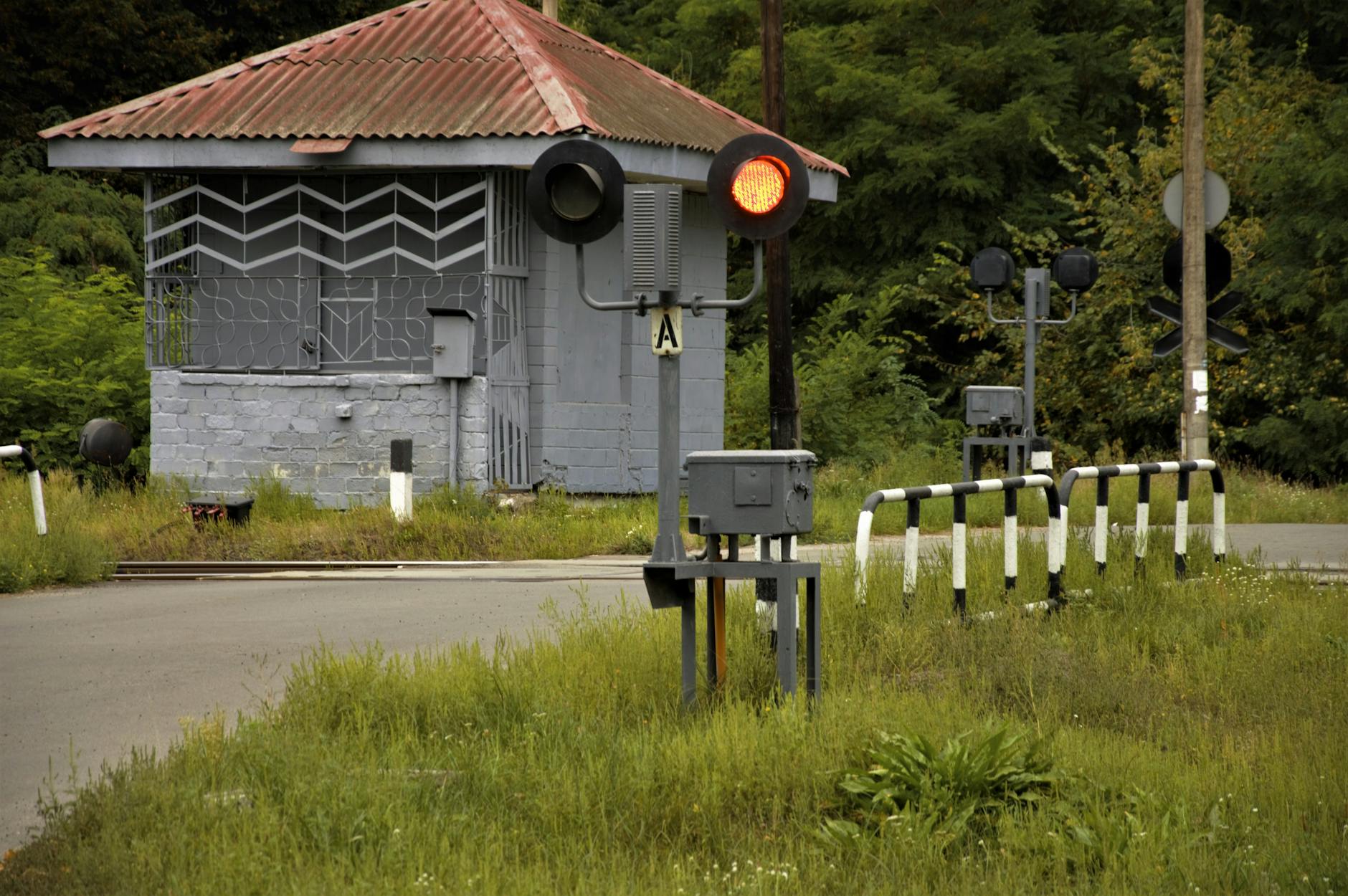
Economic Pressures Drive Border Decision
North Korea’s decision to reopen to Chinese tourists stems largely from mounting economic pressures. The country’s self-imposed isolation, combined with international sanctions and the global pandemic, created a perfect storm that severely damaged its economy. Tourism revenue, while never officially disclosed, was estimated to generate between $40-50 million annually before 2020 – a significant sum for a country under extensive economic sanctions.
The regime’s need for foreign currency has become increasingly desperate. With traditional revenue streams from coal and other exports heavily restricted by international sanctions, tourism offered one of the few legitimate ways to earn hard currency. Chinese tourists typically spend money on hotels, meals, souvenirs, and guided tours, all of which directly benefit state-controlled enterprises.
Reports from defectors and border monitors suggest the economic situation inside North Korea has deteriorated significantly during the closure period. Food shortages, currency devaluation, and reduced trade with China have all contributed to growing internal pressures that likely influenced the decision to cautiously reopen borders.
Strict Protocols and Limited Access
The current reopening operates under extremely restrictive conditions that reflect North Korea’s continued concerns about disease control and information security. Tour groups are reportedly limited to fewer than 20 people and must follow predetermined routes with constant government oversight. Visitors undergo extensive health screenings and are required to stay in designated hotels with minimal contact with local populations.
These protocols represent a dramatic shift from pre-pandemic tourism, when visitors had somewhat more freedom to interact with locals and explore certain areas independently. The new restrictions suggest North Korea remains deeply concerned about both health risks and potential political contamination from outside influences.
The tours currently focus on traditional sites like the Demilitarized Zone, revolutionary monuments in Pyongyang, and carefully curated cultural performances. Notably absent are visits to industrial areas or rural regions where economic hardship might be more visible to foreign observers.
Regional Tourism Trends and Competition
North Korea’s cautious reopening contrasts sharply with regional tourism recovery efforts. Countries like Thailand have implemented progressive policies such as digital nomad visa programs to boost tourism, while North Korea maintains its highly restrictive approach.
The timing also coincides with China’s own efforts to revive international travel following its prolonged border closures. Chinese tourists are gradually returning to international destinations, though many are choosing closer, more accessible locations for their first post-pandemic trips. This creates both opportunity and competition for North Korea’s tourism sector.
Tourism industry analysts note that North Korea faces unique challenges in rebuilding its visitor numbers. The country’s reputation for unpredictability, combined with ongoing tensions with South Korea and the United States, makes it a less attractive destination for many potential visitors. Additionally, the limited infrastructure and restricted itineraries offer fewer amenities than competing destinations.
Testing Waters for Broader Reopening
The limited reopening to Chinese tourists appears to be a carefully calculated test case for broader international engagement. Intelligence analysts suggest Kim Jong Un’s regime is evaluating whether controlled tourism can provide economic benefits without compromising political control or health security.
Success with Chinese tour groups could potentially lead to gradual reopening to visitors from other countries, though this remains highly speculative. The regime has historically been extremely cautious about foreign influence, and even pre-pandemic tourism was tightly controlled and limited in scope.
The broader implications extend beyond tourism revenue. The reopening represents a small but significant crack in North Korea’s self-imposed isolation. It suggests the regime recognizes that complete isolation is economically unsustainable, even for a country that has long prioritized self-reliance over international engagement.
The international community will be watching closely to see whether this limited reopening leads to other forms of engagement or remains an isolated exception driven purely by economic necessity. For now, the handful of Chinese tourists crossing into North Korea represent more than just visitors – they’re early indicators of how one of the world’s most isolated countries might gradually reconnect with the outside world while attempting to maintain strict control over that process.
The success or failure of this tourism experiment could influence North Korea’s broader approach to international engagement in the coming years, making these early border crossings a development worth monitoring closely.
Frequently Asked Questions
When did North Korea close its borders to tourists?
North Korea closed its borders to all tourists in early 2020 due to COVID-19 concerns, maintaining complete isolation for three years.
Why is North Korea reopening to Chinese tourists first?
Chinese tourists historically comprised 90% of North Korea’s visitors and provided crucial foreign currency revenue before the pandemic closure.