
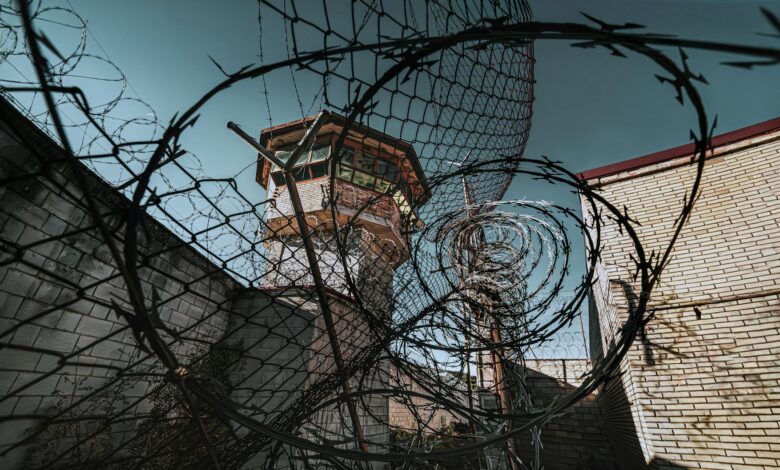
North Korea announced its first reopening to international tourists since the COVID-19 pandemic began in early 2020, marking a significant shift in the hermit kingdom’s isolationist stance. The announcement comes as the country seeks to rebuild its economy and reconnect with the outside world after four years of complete border closure.
The Democratic People’s Republic of Korea (DPRK) has historically maintained tight control over foreign visitors, but the pandemic prompted an unprecedented complete shutdown of international tourism. This closure dealt a severe blow to one of the country’s few legitimate sources of foreign currency, as tourism had been growing steadily before 2020.
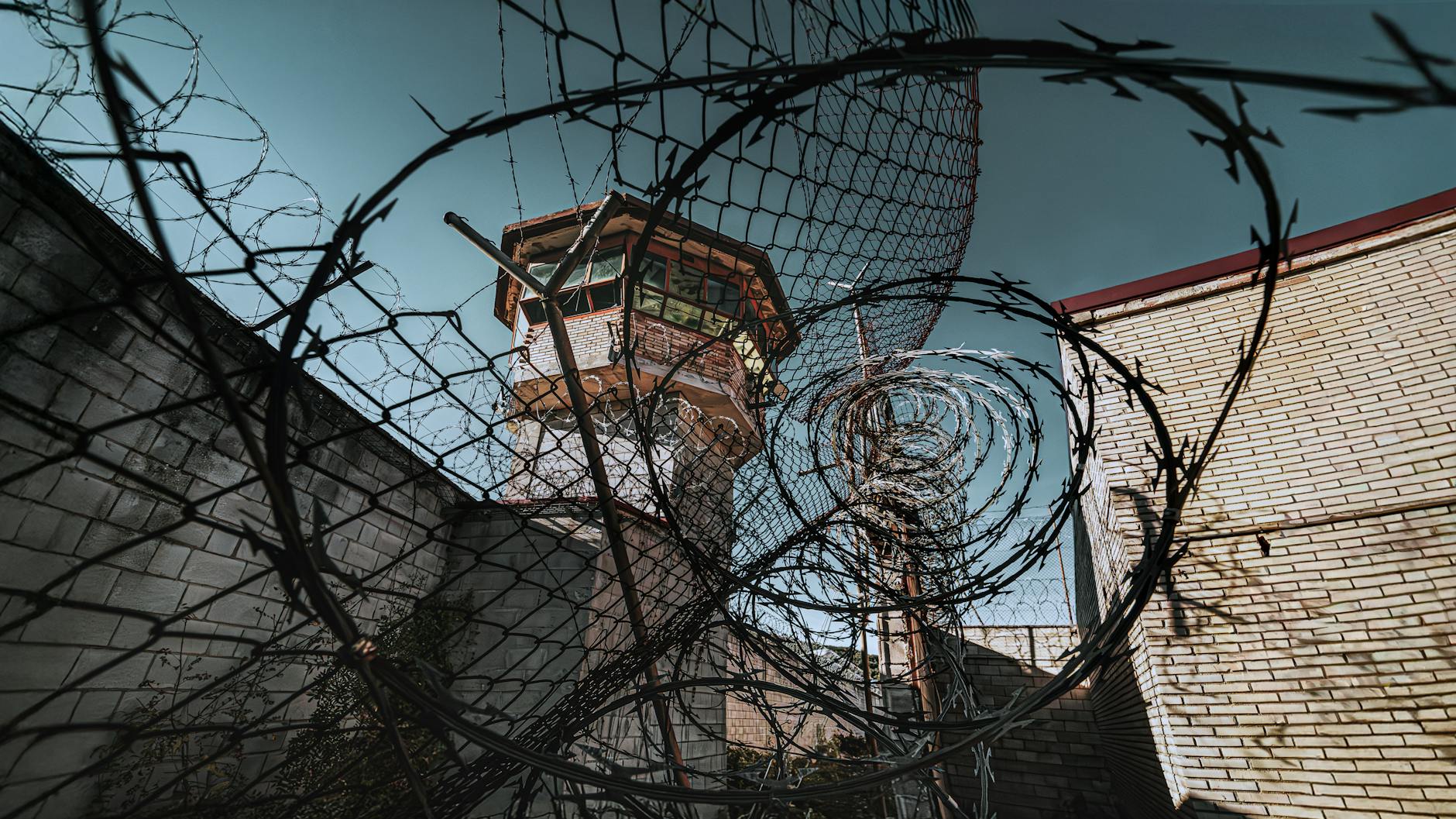
Gradual Reopening with Strict Protocols
North Korean authorities have outlined a phased approach to welcoming back international visitors, beginning with limited group tours to select destinations. The initial reopening focuses on the capital city Pyongyang and several carefully curated tourist sites, including the Kumsusan Palace of the Sun and the Demilitarized Zone (DMZ).
Tour operators specializing in North Korean travel report receiving official notifications about the policy change, though specific dates and visitor quotas remain unclear. The government has implemented comprehensive health screening protocols, requiring multiple COVID-19 tests, extended quarantine periods, and proof of vaccination from approved countries.
“This represents the most significant opening of North Korea’s borders in recent memory,” said Simon Cockerell, general manager of Koryo Tours, one of the few Western companies authorized to operate in the DPRK. “However, the process remains highly controlled, with visitors subject to extensive background checks and supervised itineraries.”
The tourism infrastructure, dormant for four years, requires significant rehabilitation. Hotels, restaurants, and transportation services specifically catering to foreign visitors have been maintained but need updating to meet current international standards and health protocols.
Economic Motivations Behind the Decision
The border reopening reflects North Korea’s pressing economic needs following years of international sanctions, pandemic isolation, and reduced trade with traditional allies including China and Russia. Tourism, while never a massive revenue generator, provided crucial foreign exchange earnings that helped fund government operations.
Before the pandemic, North Korea attracted approximately 100,000 to 200,000 international tourists annually, primarily from China. European and American visitors, though fewer in number, typically spent more per capita during their stays. The loss of this revenue stream compounded existing economic pressures from international sanctions related to the country’s nuclear program.
Agricultural challenges and natural disasters have further strained the economy, making foreign currency earnings from tourism increasingly attractive. The government has historically used tourism as a soft diplomacy tool, carefully controlling visitors’ experiences to project a positive image of the regime and its achievements.
Regional economic developments may have influenced the timing of this decision. As neighboring countries recover from pandemic-related economic disruptions, North Korea appears eager to avoid further isolation. The move comes amid reports of improved diplomatic relations with several nations and ongoing discussions about sanctions relief.
International Response and Regional Implications
The international community has responded cautiously to North Korea’s tourism announcement. Several governments continue to advise their citizens against travel to the DPRK, citing ongoing human rights concerns and the unpredictable political environment.
South Korea’s government expressed measured interest in the development, viewing it as a potential sign of the North’s willingness to engage more broadly with the international community. However, South Korean citizens remain prohibited from visiting North Korea without special government approval, a restriction that has been in place for decades.
China, North Korea’s largest trading partner and traditional source of tourists, has not yet announced any changes to its travel policies regarding the DPRK. Chinese tourism to North Korea had been growing significantly before the pandemic, representing the majority of international visitors.
European tour operators report renewed interest from potential travelers, though many express concerns about safety, political tensions, and the ethical implications of tourism in an authoritarian state. The timing coincides with broader global discussions about responsible tourism and travelers’ roles in supporting regimes with poor human rights records.
United Nations officials have noted the development but emphasize that tourism activities must comply with existing international sanctions. Certain luxury goods and services remain prohibited, potentially affecting the types of experiences available to international visitors.
Challenges and Uncertainties Ahead
Despite the announced reopening, significant practical challenges remain. The country’s infrastructure, particularly outside Pyongyang, requires substantial investment to meet international tourist expectations. Transportation networks, communication systems, and accommodation facilities need modernization after years of limited maintenance.
Language barriers present additional obstacles, as few North Korean service workers speak foreign languages fluently. The government’s strict control over information access means visitors will continue to experience highly supervised tours with limited opportunities for independent exploration.
Political tensions on the Korean Peninsula could easily derail tourism plans. Historical precedent shows that diplomatic incidents, nuclear tests, or military exercises can prompt immediate border closures or travel restrictions. International relations remain fragile, with ongoing disputes over denuclearization and sanctions relief.
The global tourism industry, still recovering from pandemic-related disruptions, faces the additional challenge of navigating ethical considerations around North Korean travel. Some advocacy groups argue that tourism revenue indirectly supports human rights violations, while others contend that people-to-people exchanges can promote positive change.
As North Korea tentatively opens its doors to the world again, the success of this initiative will depend on balancing economic needs with political realities. The hermit kingdom’s experiment with tourism resumption offers a unique window into how isolated nations adapt to changing global circumstances while maintaining their core political structures.
The coming months will reveal whether this reopening represents a genuine shift toward greater international engagement or merely a temporary economic necessity. For now, the world watches as one of the planet’s most secretive nations prepares to welcome back curious visitors after four years of complete isolation.
Frequently Asked Questions
When will North Korea fully reopen to tourists?
No specific dates announced yet, but authorities plan a gradual phased reopening starting with limited group tours to select destinations.
What health protocols are required for North Korea tourists?
Visitors must undergo multiple COVID-19 tests, extended quarantine periods, and provide proof of vaccination from approved countries.