
After decades of separation, the divided Korean Peninsula witnesses a glimmer of hope as North and South Korea announce the resumption of cross-border family reunion programs. The initiative, suspended since 2018, promises to reconnect thousands of families torn apart by the Korean War over seven decades ago.
The announcement comes amid ongoing diplomatic efforts to ease tensions between the two nations. According to sources familiar with the negotiations, both governments have agreed to facilitate limited meetings between separated family members, marking the first such program since the COVID-19 pandemic disrupted previous arrangements.
Seven Decades of Separation
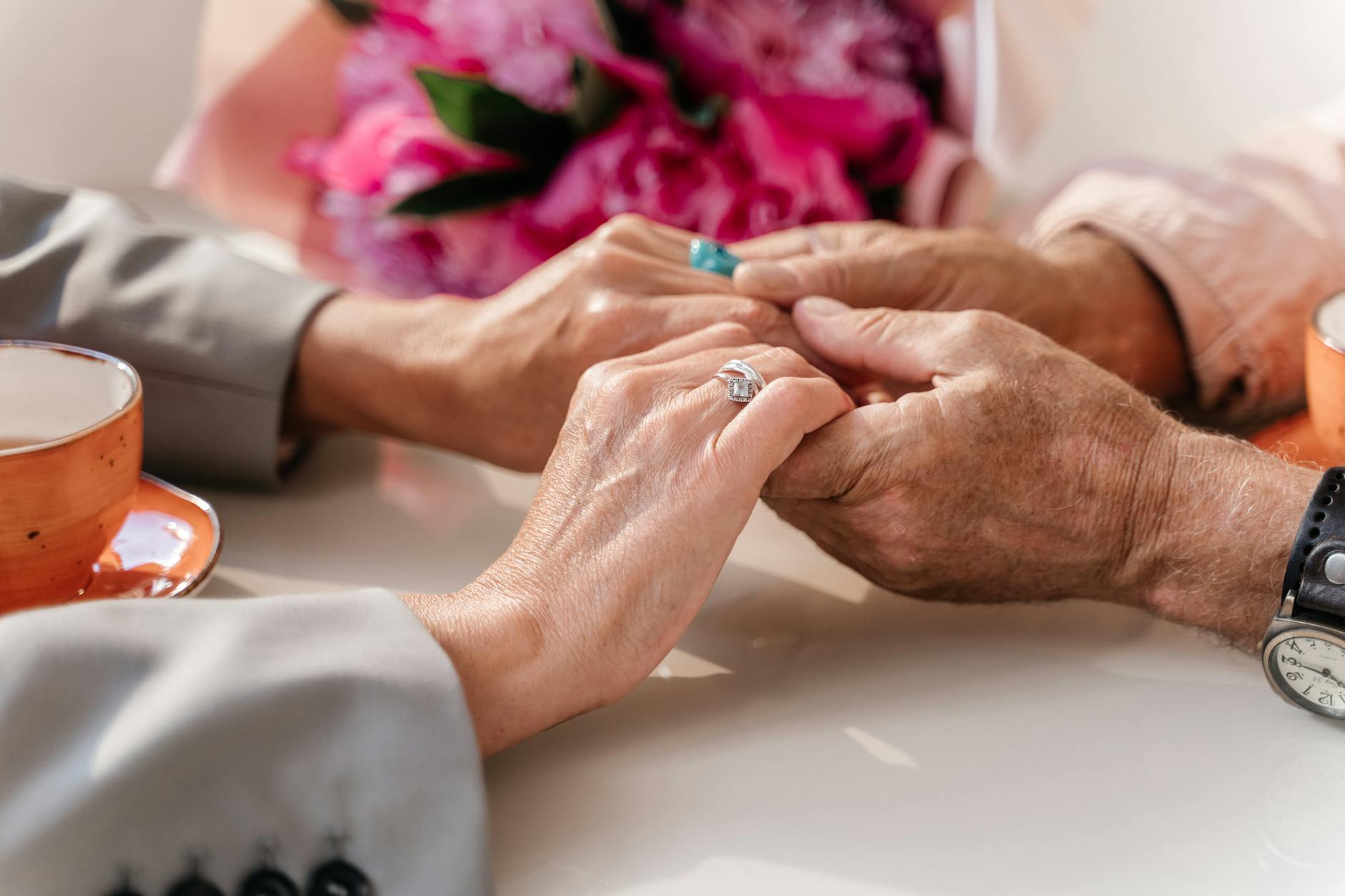
The Korean War, which lasted from 1950 to 1953, split millions of families across the newly established border. Today, an estimated 133,000 South Koreans remain registered for family reunion programs, though many are now in their 80s and 90s. Time has become the most pressing factor, with thousands passing away each year while waiting for a chance to see their loved ones.
Lee Sung-ho, 87, from Seoul, has waited 42 years to meet his younger brother who remained in North Korea during the war. “Every day I wonder if he’s still alive,” Lee shared during a recent interview. “We were just children when the war separated us. I barely remember his face, but I remember his laugh.”
The reunion programs began in 2000 as part of the historic inter-Korean summit between then-South Korean President Kim Dae-jung and North Korean leader Kim Jong-il. Since then, approximately 21,000 people have participated in face-to-face meetings, typically held at the Mount Kumgang resort in North Korea.
Diplomatic Breakthrough Amid Regional Tensions
The resumption announcement follows months of behind-the-scenes negotiations facilitated by humanitarian organizations and religious groups. Both governments have emphasized the purely humanitarian nature of these reunions, separating them from broader political and security discussions.
South Korean Unification Ministry spokesperson Park Kyung-soo stated that the reunions represent “a small but significant step toward healing the wounds of division.” The ministry has allocated additional resources to expedite the application process for elderly applicants who may not have much time left.
North Korea’s decision to resume the program comes despite ongoing international sanctions and regional tensions. Analysts suggest the move reflects Pyongyang’s recognition of the urgent humanitarian need, particularly as the generation of war survivors continues to diminish.
The timing coincides with broader diplomatic developments in the region, including recent defense agreements between neighboring countries that highlight the importance of regional cooperation during uncertain times.
Logistical Challenges and Health Protocols
Organizing cross-border reunions presents numerous logistical challenges, from transportation arrangements to health screenings for elderly participants. Both governments have agreed to implement comprehensive medical support systems, including on-site medical teams and emergency evacuation procedures if needed.
The reunions will take place at the renovated Mount Kumgang resort, with each session lasting three days and accommodating approximately 100 families from each side. Participants undergo extensive background checks and health evaluations before approval.
Technology will play a larger role in these renewed reunions. Video conferencing capabilities have been installed to allow extended conversations, while digital photo and document exchange systems enable families to share memories more effectively than in previous programs.
Transportation logistics require careful coordination between military authorities on both sides of the Demilitarized Zone (DMZ). Special convoy routes have been established, with multiple checkpoints and communication protocols to ensure safe passage for participants.
Emotional Preparation and Support Systems
Mental health professionals from both countries are collaborating to provide psychological support for reunion participants. The emotional intensity of these meetings, often the first contact in decades, can be overwhelming for elderly participants.
Dr. Kim Min-jung, a trauma specialist at Seoul National University Hospital, explains the complex emotions involved: “These reunions bring immense joy, but also profound grief for the lost years. Participants often experience a mixture of happiness, regret, and anxiety about how their relatives have changed.”
Counseling sessions are now mandatory for all participants, both before and after reunions. Support groups for family members have also been established, creating networks of shared experience and understanding.
The programs include cultural orientation sessions to help participants understand the different social and economic systems their relatives have experienced. These sessions address potential culture shock and communication barriers that may have developed over decades of separation.
Looking Forward: Hope Amid Uncertainty
While the resumed family reunion programs offer hope for thousands of separated families, they represent just one aspect of the complex relationship between North and South Korea. The limited scope of current arrangements – with only 200 families participating in each round – means most applicants will continue waiting.
Advocacy groups are pushing for expanded programs, including regular video calls and postal exchanges, to maximize contact opportunities for aging participants. The Korean Red Cross organizations on both sides are exploring additional humanitarian initiatives, from medical aid exchanges to cultural programs.
The success of these reunions could influence broader diplomatic relations between the two Koreas. As regional tensions continue to evolve, including significant policy changes in allied nations, these humanitarian gestures provide a foundation for potential future cooperation.
For families like Lee Sung-ho’s, the announcement brings renewed hope after years of uncertainty. Whether this program expansion will lead to more regular contact remains unclear, but for now, the possibility of reunion offers a precious opportunity to heal wounds that have persisted for over seven decades.
The first reunions under the renewed program are scheduled to begin within the next six months, pending final logistical arrangements and health clearances for participants.
Frequently Asked Questions
When did Korean family reunions first begin?
The family reunion programs started in 2000 following the historic inter-Korean summit between South Korean President Kim Dae-jung and North Korean leader Kim Jong-il.
How many people are waiting for family reunions?
Approximately 133,000 South Koreans remain registered for family reunion programs, though many are now in their 80s and 90s.