
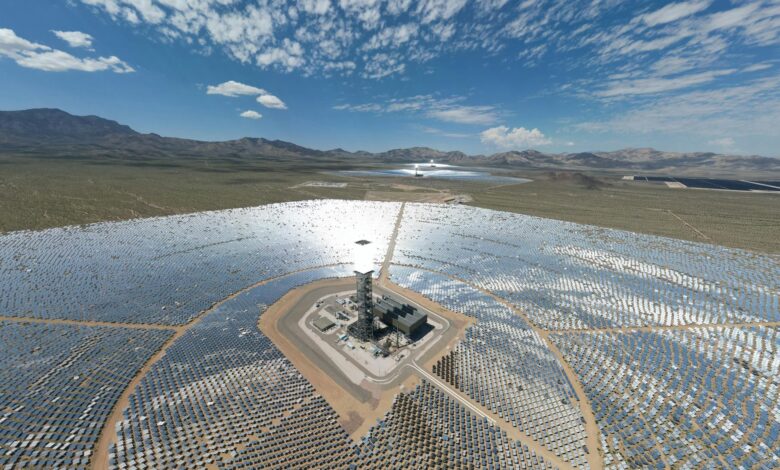
The Sahara Desert now hosts the world’s most ambitious solar power installation, as Morocco officially completes the massive Noor Ouarzazate Solar Complex. This sprawling facility, covering an area larger than Paris, marks a pivotal moment for renewable energy across Africa and positions Morocco as a leader in the global transition away from fossil fuels.
The completion of this project represents more than just technological achievement – it signals a fundamental shift in how North African nations approach energy independence and climate action. With its strategic location and abundant sunshine, Morocco has transformed what many considered a geographical challenge into its greatest renewable energy asset.
Breaking Records in the Desert
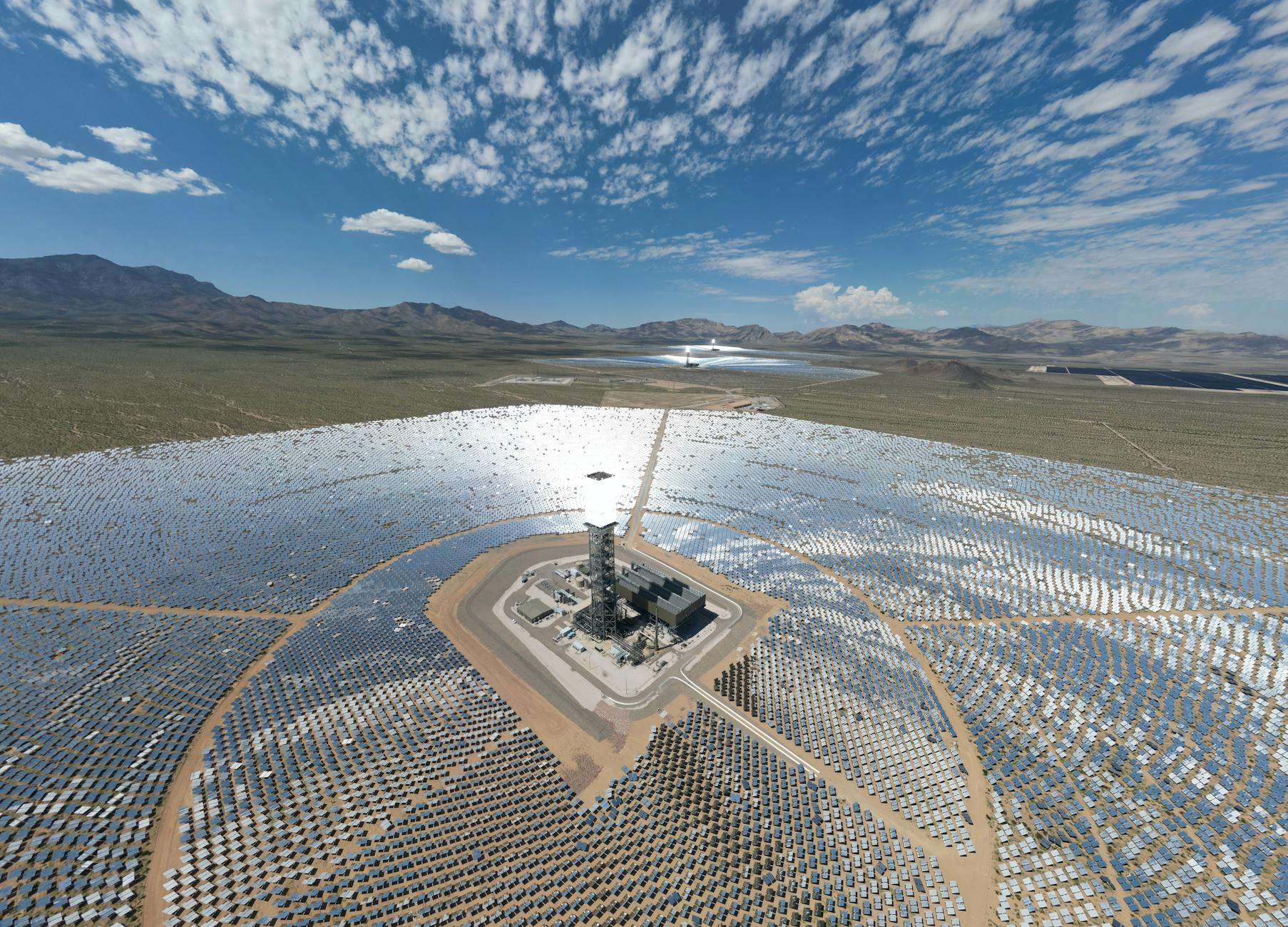
The Noor Ouarzazate Solar Complex spans over 3,000 hectares in the Moroccan desert, making it the largest concentrated solar power installation on the African continent. The facility combines multiple solar technologies, including both photovoltaic panels and concentrated solar power towers that can store energy for up to eight hours after sunset.
Construction of the complex began in 2013 as part of Morocco’s ambitious renewable energy strategy. The project involved international partnerships with companies from Spain, Saudi Arabia, and China, demonstrating the global nature of modern renewable energy development. The facility’s four phases were completed progressively, with each stage incorporating increasingly advanced solar technology.
The complex generates enough electricity to power over 1.3 million homes, significantly reducing Morocco’s dependence on imported fossil fuels. This capacity represents approximately 20% of Morocco’s current electricity demand, moving the country closer to its goal of generating 52% of its energy from renewable sources by 2030.
Engineers designed the facility to withstand the harsh desert conditions, including extreme temperature variations and occasional sandstorms. The concentrated solar power technology uses mirrors to focus sunlight onto receivers, creating steam that drives turbines to generate electricity. This approach allows energy production to continue even when direct sunlight isn’t available.
Economic Impact and Job Creation
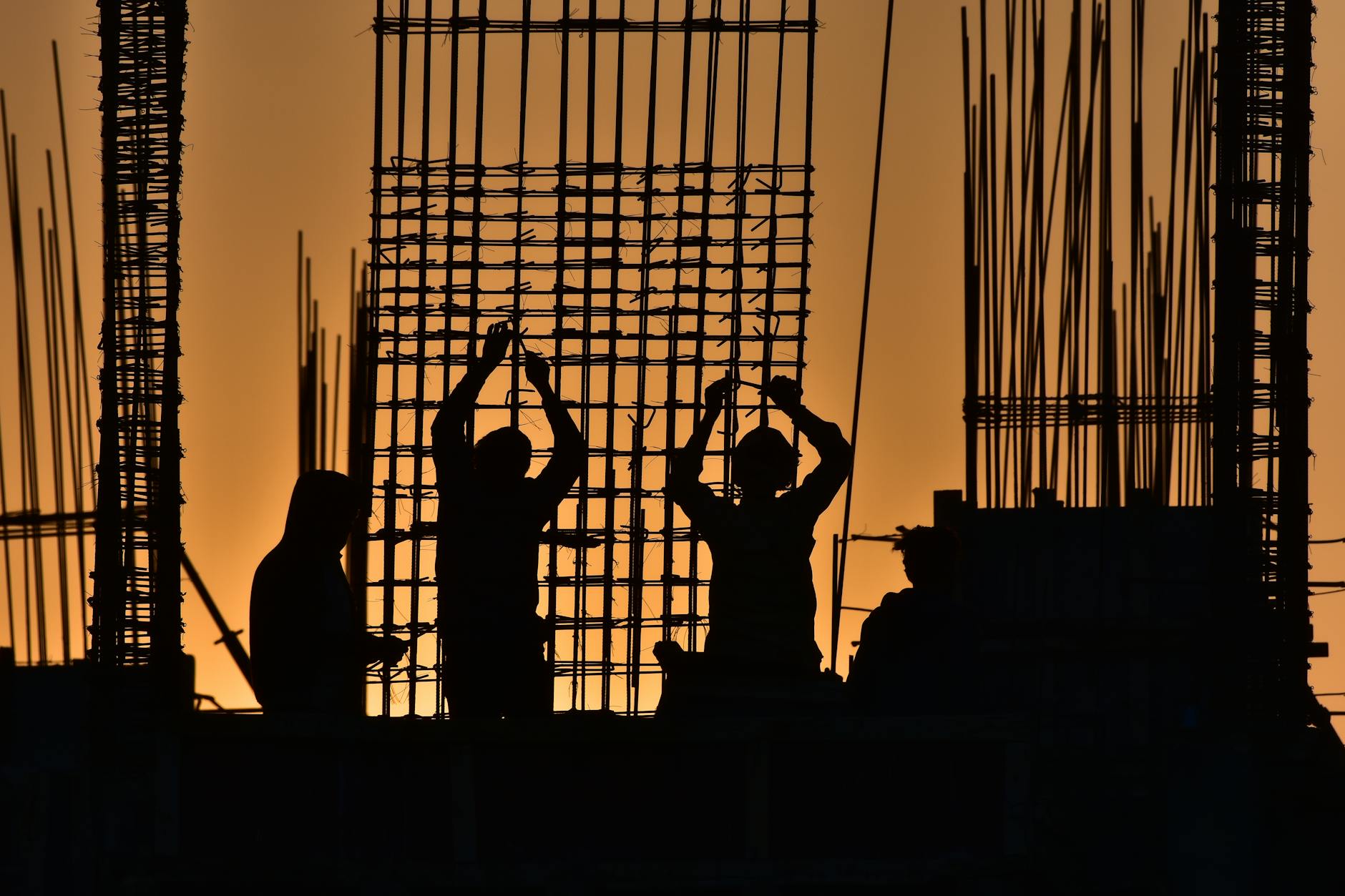
The solar complex has created approximately 10,000 jobs during its construction phase, with 1,000 permanent positions for ongoing operations and maintenance. Local communities in the Ouarzazate region have benefited from increased employment opportunities and infrastructure development associated with the project.
Morocco’s renewable energy sector has attracted significant international investment, with the World Bank, African Development Bank, and European Investment Bank providing funding for various phases of the project. This financial backing demonstrates international confidence in Morocco’s renewable energy strategy and its potential for regional leadership.
The project has also stimulated local manufacturing and supply chain development. Moroccan companies have increasingly participated in solar panel assembly, maintenance services, and logistics support, building domestic capacity in renewable energy technologies.
Agricultural communities near the solar complex have reported improved access to reliable electricity, enabling better irrigation systems and food processing capabilities. The stable power supply has also attracted small manufacturing businesses to the region, diversifying the local economy beyond traditional agriculture and mining.
The success of the Ouarzazate project has positioned Morocco as an attractive destination for renewable energy investment across North Africa. Several international companies have announced plans for additional solar installations in Morocco, building on the infrastructure and expertise developed through this flagship project.
Regional Leadership and Technology Transfer
Morocco’s achievement extends beyond its borders, inspiring similar renewable energy initiatives across Africa. The country has begun sharing its technical expertise and project management experience with other North African nations, fostering regional cooperation in renewable energy development.
The solar complex serves as a training center for engineers and technicians from across Africa, with Morocco hosting international workshops and certification programs. This knowledge transfer helps build renewable energy capacity throughout the continent, supporting broader climate goals and energy security objectives.
Unlike Germany’s recent shift from nuclear to renewable energy, Morocco has leapfrogged directly to large-scale solar power without significant nuclear infrastructure. This approach offers a model for other developing nations seeking to build modern energy systems from the ground up.
The project has demonstrated that concentrated solar power technology can operate effectively in extreme desert conditions, providing valuable data for future installations in similar climates across Africa and the Middle East. This technical validation encourages additional investment in solar technology adapted for arid regions.
Morocco has also explored potential electricity exports to Europe through undersea cables, positioning itself as a future renewable energy supplier to European markets seeking to reduce carbon emissions. These export opportunities could provide additional revenue streams to support continued renewable energy expansion.
Environmental Benefits and Climate Impact
The Noor Ouarzazate Solar Complex prevents approximately 760,000 tons of carbon dioxide emissions annually, equivalent to removing 160,000 cars from roads each year. This significant environmental impact contributes to Morocco’s commitment under the Paris Climate Agreement and supports global efforts to limit temperature increases.
The facility’s water usage has been optimized through advanced cooling systems that minimize consumption in the water-scarce desert environment. Engineers incorporated dry cooling technology and water recycling systems to reduce the installation’s environmental footprint while maintaining efficient operation.
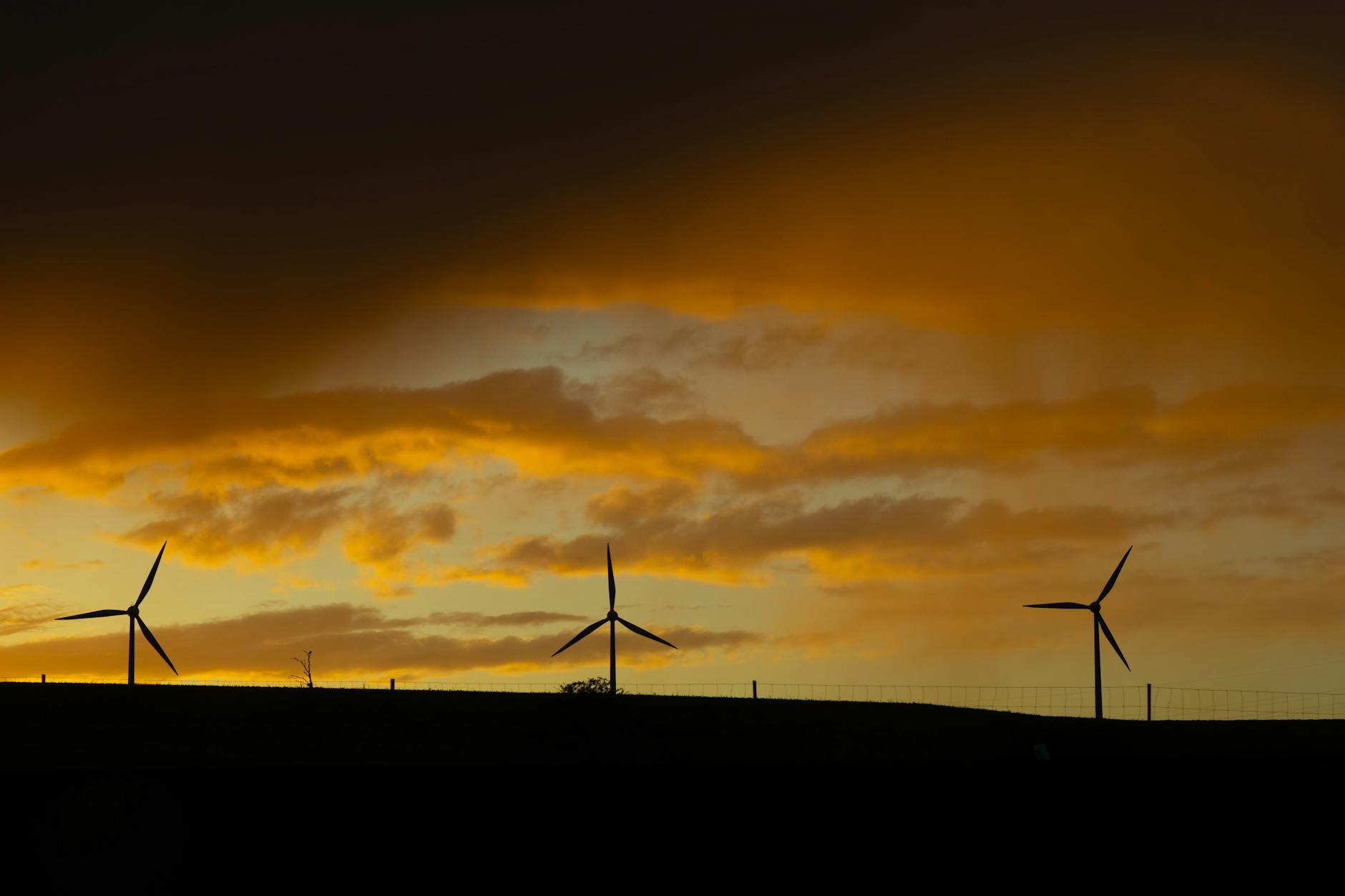
Desert solar installations like Morocco’s complex avoid competing with agricultural land use, addressing concerns about renewable energy projects displacing food production. The project demonstrates how countries can utilize previously unproductive desert areas for clean energy generation without affecting existing economic activities.
The success of Morocco’s solar initiative provides momentum for similar projects across the Sahel region, where countries like Mali, Burkina Faso, and Niger possess abundant solar resources but limited technical infrastructure. Morocco’s experience offers a roadmap for developing these resources sustainably and economically.
As Morocco completes this groundbreaking solar installation, the country establishes itself as a renewable energy powerhouse capable of influencing regional energy markets and climate action. The Noor Ouarzazate Solar Complex represents not just technological achievement, but a vision of how developing nations can lead in clean energy innovation while creating economic opportunities and environmental benefits for their populations.
Frequently Asked Questions
How large is Morocco’s solar power installation?
The Noor Ouarzazate Solar Complex covers over 3,000 hectares, making it larger than Paris and Africa’s biggest solar facility.
How many homes can Morocco’s solar complex power?
The installation generates enough electricity to supply over 1.3 million homes, representing about 20% of Morocco’s electricity demand.