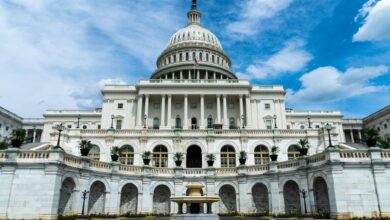


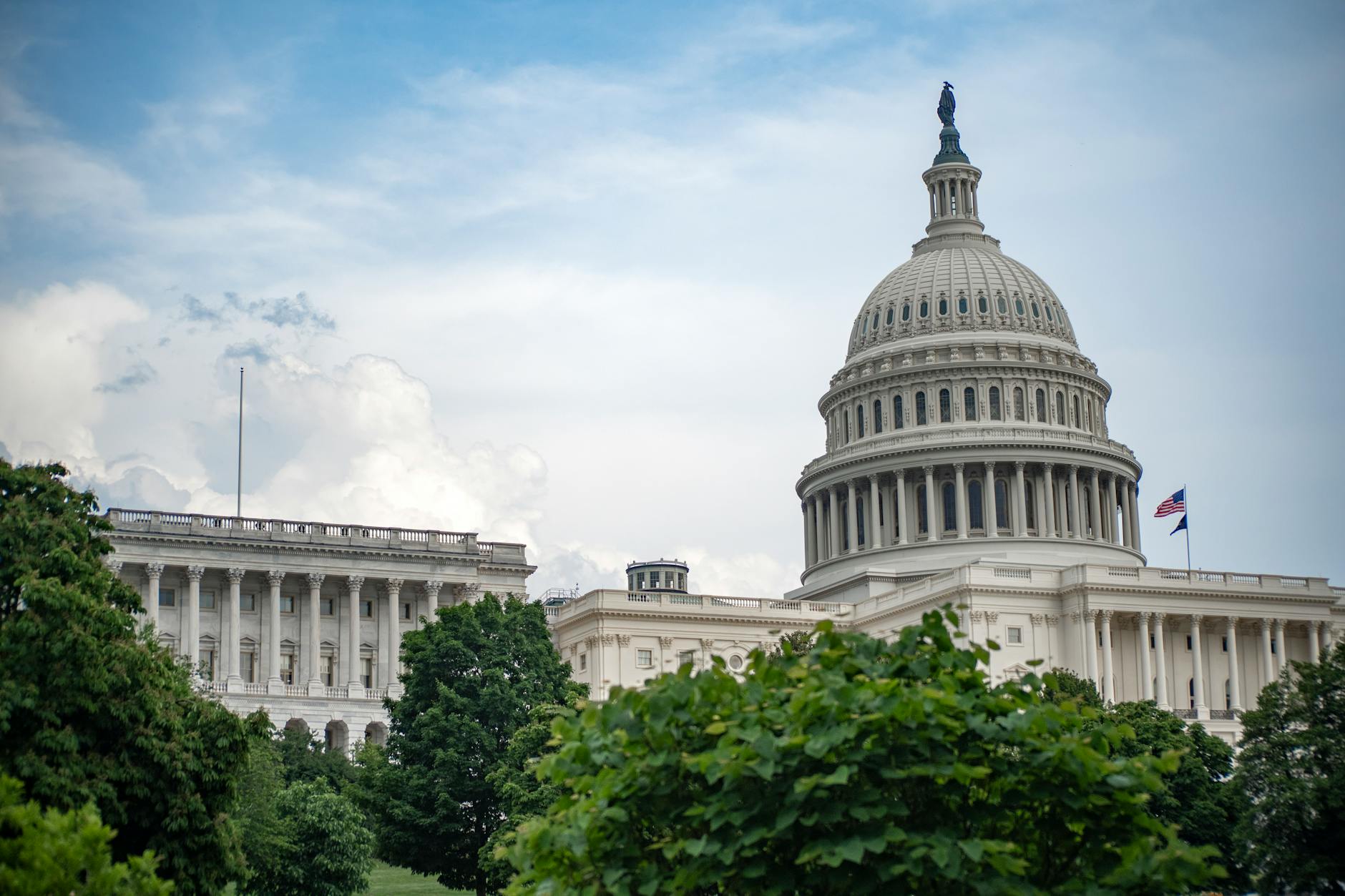
State legislatures across America experienced dramatic power shifts following recent midterm elections, with control changing hands in multiple key states and reshaping the political landscape for the next two years. The results delivered unexpected victories for both parties while highlighting the growing influence of suburban voters and shifting demographic trends that continue to redefine American politics.
The most significant changes occurred in purple states where razor-thin margins determined legislative control. Pennsylvania flipped its state house to Democratic control for the first time since 2010, while Republicans maintained their grip on the state senate. Michigan saw Democrats secure their first legislative trifecta in nearly four decades, gaining control of both chambers alongside the governor’s mansion. Meanwhile, Arizona Republicans narrowly held onto their legislative majorities despite strong Democratic challenges in Phoenix and Tucson metropolitan areas.
These shifts carry immediate consequences for policy-making across the nation. States with newly divided governments will face gridlock on controversial issues, while unified party control opens doors for ambitious legislative agendas. The changes also impact congressional redistricting battles and set the stage for the 2024 presidential election battlegrounds.
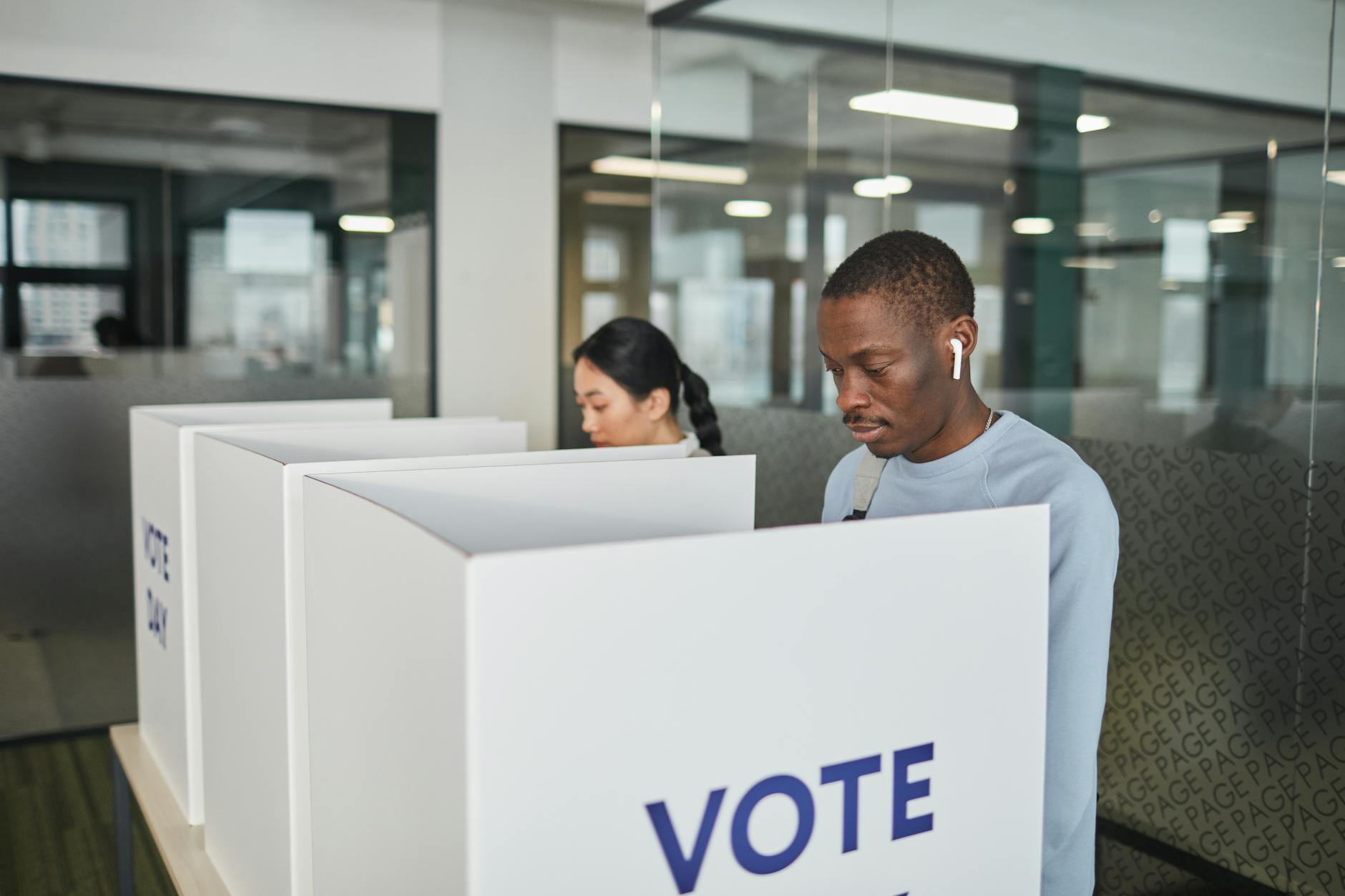
Historic Flips Reshape Regional Politics
Pennsylvania’s Democratic takeover of the state house represents one of the election’s biggest surprises. Democrats gained 12 seats to secure a narrow 102-101 majority, their first since losing control during the 2010 Republican wave. The victory came despite aggressive Republican gerrymandering efforts and reflects sustained suburban backlash against conservative social policies.
Michigan delivered an even more comprehensive Democratic victory. The party captured both legislative chambers while Governor Gretchen Whitmer won reelection by double digits. Democrats gained six state house seats and two in the senate, ending decades of Republican legislative dominance. The wins were powered by strong turnout in Detroit, Grand Rapids, and college towns, plus continued gains in traditionally Republican suburbs around Detroit.
Nevada bucked national trends with Republicans making significant gains despite Democratic Governor Steve Sisolak’s narrow reelection victory. The GOP picked up two assembly seats and one in the state senate, though Democrats retained control of both chambers. The results underscore Nevada’s transformation into a true swing state where neither party can claim long-term dominance.
Florida moved decisively rightward, with Republicans expanding their already substantial majorities in both chambers. The GOP gained five house seats and two in the senate, giving them supermajorities that can override gubernatorial vetoes. Governor Ron DeSantis’s landslide reelection victory provided crucial coattails for down-ballot Republicans across the state.
Suburban Voters Drive Change
The midterm results reinforced suburban America’s role as the primary political battleground. Democratic gains in Pennsylvania, Michigan, and other competitive states came largely from affluent suburban districts that voted Republican as recently as 2016. These voters, particularly college-educated women, continue rejecting conservative positions on abortion, gun rights, and social issues.
Republican strategists acknowledge the party’s suburban problem extends beyond candidate quality to fundamental messaging challenges. The overturning of Roe v. Wade energized Democratic turnout in suburban districts, while Republican focus on crime and inflation failed to overcome concerns about abortion access and democratic institutions.
Several suburban Republican incumbents lost seats they had held for multiple terms. In Pennsylvania’s Chester County, three GOP legislators fell to Democratic challengers despite representing districts that had been reliably red for decades. Similar patterns emerged in Michigan’s Oakland County and Arizona’s Maricopa County suburbs.
The suburban shift also impacted state senate races, traditionally more insulated from partisan swings due to larger districts. Democrats flipped several suburban state senate seats in Michigan and Pennsylvania, while Republicans struggled to make gains in suburban districts nationwide.
Policy Implications and Legislative Priorities
Newly empowered Democratic majorities are already signaling ambitious legislative agendas focused on abortion rights, voting access, and climate change initiatives. Michigan Democrats plan to repeal the state’s dormant abortion ban and strengthen voting protections, while Pennsylvania Democrats will push for expanded mail-in voting and redistricting reform.
Republican-controlled legislatures are moving in opposite directions, with Florida and other red states planning further restrictions on abortion access and voting procedures. The policy divergence between states will likely intensify as parties pursue distinct governing philosophies with minimal bipartisan cooperation.
Budget battles loom large in states with divided government. Pennsylvania’s split control complicates Governor Josh Shapiro’s agenda, while similar dynamics in Wisconsin and North Carolina could produce gridlock on major spending initiatives. These budget fights will test whether moderate legislators from both parties can find common ground.
The legislative changes also affect federal policy debates. Biden Administration Faces Congressional Pushback Over AI Regulation Framework illustrates how state-level political shifts influence national conversations about technology regulation and government oversight.
Education policy represents another major battleground, with Republican-controlled states likely to expand school choice programs while Democratic states focus on increased funding and teacher support. These competing approaches will provide real-world laboratories for different educational philosophies.
Looking Ahead to 2024
The midterm results reshape the 2024 presidential battleground by altering state-level political infrastructure and fundraising capabilities. Democratic gains in Michigan and Pennsylvania strengthen the party’s position in crucial swing states, while Republican advances in Florida and other red states provide deeper organizational advantages.
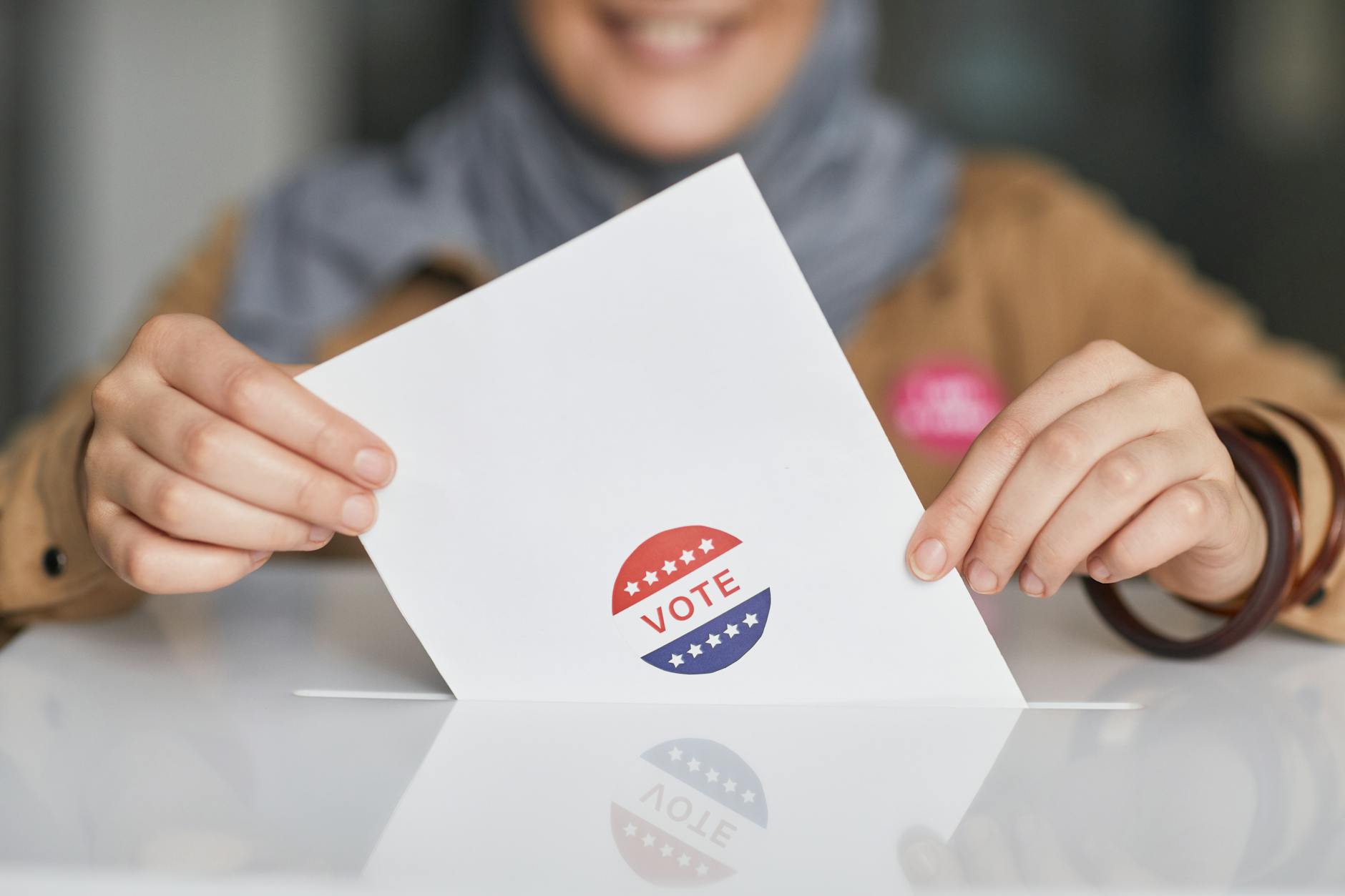
Legislative control affects voter turnout operations, with majority parties typically enjoying better access to resources and volunteers. Democratic legislative victories in key states could prove decisive in close presidential races, particularly if abortion rights remain a mobilizing issue for the party’s base.
The changes also influence vice-presidential selection considerations, as governors and senators from competitive states become more or less attractive based on their home state political environments. Michigan’s Gretchen Whitmer and Pennsylvania’s Josh Shapiro may benefit from stronger legislative support, while politicians from states moving rightward face different calculations.
Redistricting implications extend beyond 2024, as newly elected legislators will oversee the next round of congressional and state legislative map-drawing following the 2030 census. Democratic gains in states like Michigan and Pennsylvania could prevent aggressive Republican gerrymandering next decade, while Republican advances elsewhere preserve their map-making advantages.
The midterm results demonstrate American politics’ continued volatility and the growing importance of state-level governance in an era of federal polarization. As legislators take office in January, their decisions will reverberate through the 2024 election cycle and beyond, making these state-level power shifts among the election’s most consequential outcomes.
Frequently Asked Questions
Which states saw legislative control change in the midterm elections?
Pennsylvania Democrats gained control of the state house, while Michigan Democrats won both legislative chambers for the first time in decades.
How do these legislative changes affect the 2024 presidential election?
Democratic gains in swing states like Michigan and Pennsylvania could strengthen voter turnout operations and provide better political infrastructure for 2024 campaigns.