

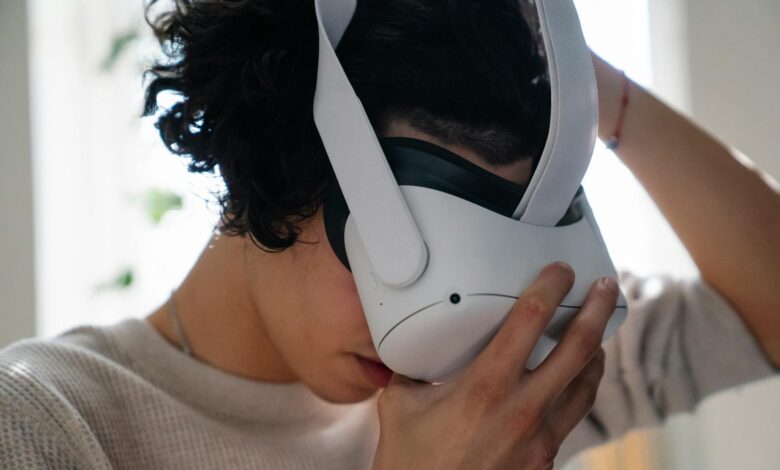
Meta’s aggressive push into virtual reality workspaces signals the company’s determination to challenge Zoom’s dominance in the remote collaboration market. The tech giant has reportedly expanded its Horizon Workrooms platform with new features designed to make virtual meetings feel more natural and productive than traditional video conferencing.
The move comes as businesses worldwide continue embracing hybrid work models, creating a massive opportunity for companies that can solve the persistent challenges of remote collaboration. While Zoom captured the pandemic-era boom in video meetings, Meta believes immersive VR environments represent the next evolution of workplace communication.
Beyond Flat Screens: Meta’s Vision for Immersive Meetings
Meta’s expanded Horizon Workrooms platform now includes enhanced spatial audio, improved hand tracking, and the ability to import 2D applications directly into the virtual environment. Users wearing Quest headsets can sit around virtual conference tables, manipulate shared documents in 3D space, and use natural gestures to interact with content.
The platform’s latest updates address common VR workplace concerns. Meeting organizers can now accommodate participants who prefer traditional video calls alongside VR users, creating hybrid experiences where some attendees appear as avatars while others join via webcam on virtual screens within the space.
“The goal is to make remote collaboration feel as natural as being in the same room,” a Meta spokesperson explained. The company has focused on reducing the technical barriers that previously limited VR adoption in professional settings, including simplified setup processes and improved compatibility with existing workplace tools.
Early adopters report that spatial awareness in VR meetings creates a more engaging experience than flat video calls. Participants can turn their heads to focus on specific speakers, lean in for private conversations, and use body language in ways impossible with traditional video conferencing.
Taking on Zoom’s Video Conferencing Empire
Zoom’s meteoric rise during the pandemic established video conferencing as an essential business tool, with the company now serving over 500 million daily meeting participants. However, Meta sees opportunity in the persistent complaints about “Zoom fatigue” and the limitations of 2D interactions for creative collaboration.
The competitive landscape extends beyond just Meta and Zoom. Microsoft has integrated mixed reality features into Teams, while startups like Spatial and Immersed offer their own VR meeting solutions. However, Meta’s massive investment in VR hardware and software development gives the company unique advantages in creating seamless experiences.
Meta’s approach differs from competitors by focusing on presence and embodiment rather than simply translating existing video call features into VR. The company’s research suggests that users feel more connected and engaged when represented by avatars in shared virtual spaces, even when those avatars are relatively simple.

The business case for VR meetings extends beyond novelty. Early enterprise customers report improved outcomes for design reviews, training sessions, and brainstorming meetings where spatial thinking provides clear advantages over flat screens. Architecture firms, for instance, can walk clients through building designs at full scale, while product teams can examine 3D prototypes from every angle.
Hardware Hurdles and Market Reality
Despite Meta’s technological advances, significant barriers remain for widespread VR workplace adoption. The company’s Quest headsets, while more affordable than previous VR systems, still represent a substantial investment for organizations considering equipping entire teams.
Comfort remains a persistent challenge for extended use. While newer headsets have improved ergonomics, wearing VR equipment for hour-long meetings can cause fatigue and discomfort that traditional video calls don’t create. Meta continues refining headset design to address these concerns, but universal comfort for professional use remains elusive.
Technical infrastructure presents another hurdle. VR meetings require significantly more bandwidth and processing power than video calls, potentially creating challenges for organizations with limited IT resources. The company has worked to optimize performance across different network conditions, but high-quality VR experiences still demand robust connectivity.
Integration with existing workplace tools continues evolving. While Horizon Workrooms now supports importing documents and applications, the workflow remains more complex than clicking a Zoom link and sharing a screen. Enterprise IT departments must evaluate new security protocols and user training requirements before wide-scale deployment.
The Future of Remote Collaboration

Meta’s expansion into VR workspaces reflects broader trends in how technology companies are competing for the future of work. Just as SpaceX faces new competition in satellite internet, established platforms like Zoom must now contend with immersive alternatives that could reshape professional communication.
The success of VR workspaces will likely depend on solving practical challenges rather than technological ones. Companies need solutions that work reliably for diverse teams, integrate smoothly with existing workflows, and provide clear value over current tools. Meta’s expanded platform addresses many previous limitations, but widespread adoption requires proving VR meetings deliver better outcomes, not just different experiences.
Industry analysts predict the virtual collaboration market will continue fragmenting as companies explore different approaches to remote work challenges. Some organizations may embrace fully immersive VR environments, while others prefer augmented reality solutions that blend digital content with physical workspaces.
Meta’s investment in VR workspaces represents a significant bet that immersive technology will eventually replace traditional video conferencing for many professional interactions. Whether businesses agree remains to be seen, but the company’s continued expansion of Horizon Workrooms suggests confidence that the future of remote collaboration extends far beyond flat screens and gallery view.
Frequently Asked Questions
What is Meta’s Horizon Workrooms platform?
It’s a VR workspace platform that allows users to meet in virtual environments using Quest headsets for immersive business collaboration.
How do VR meetings compare to traditional video calls?
VR meetings offer spatial awareness, natural gestures, and 3D interaction, potentially reducing video call fatigue while enabling new collaboration methods.