
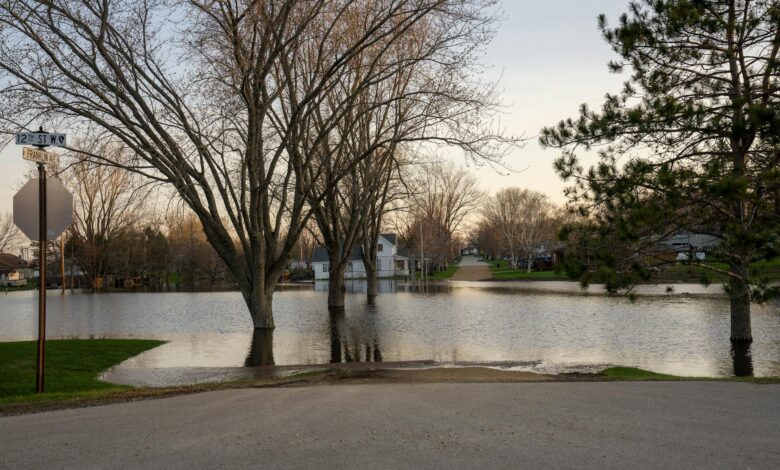
Torrential rains have transformed Northern England’s peaceful valleys into disaster zones, forcing thousands from their homes as water levels reach heights not seen in decades. The Lake District, Yorkshire Dales, and surrounding communities are grappling with what meteorologists are calling the worst flooding event in the region’s recent history.
Emergency services launched evacuation operations as rivers burst their banks across Cumbria, North Yorkshire, and Lancashire. Entire neighborhoods in towns like Keswick, Appleby-in-Westmorland, and Kirkby Stephen found themselves underwater within hours. The Environment Agency issued severe flood warnings for over 40 locations, with some areas reporting water levels three meters above normal.
Communities Forced to Abandon Homes
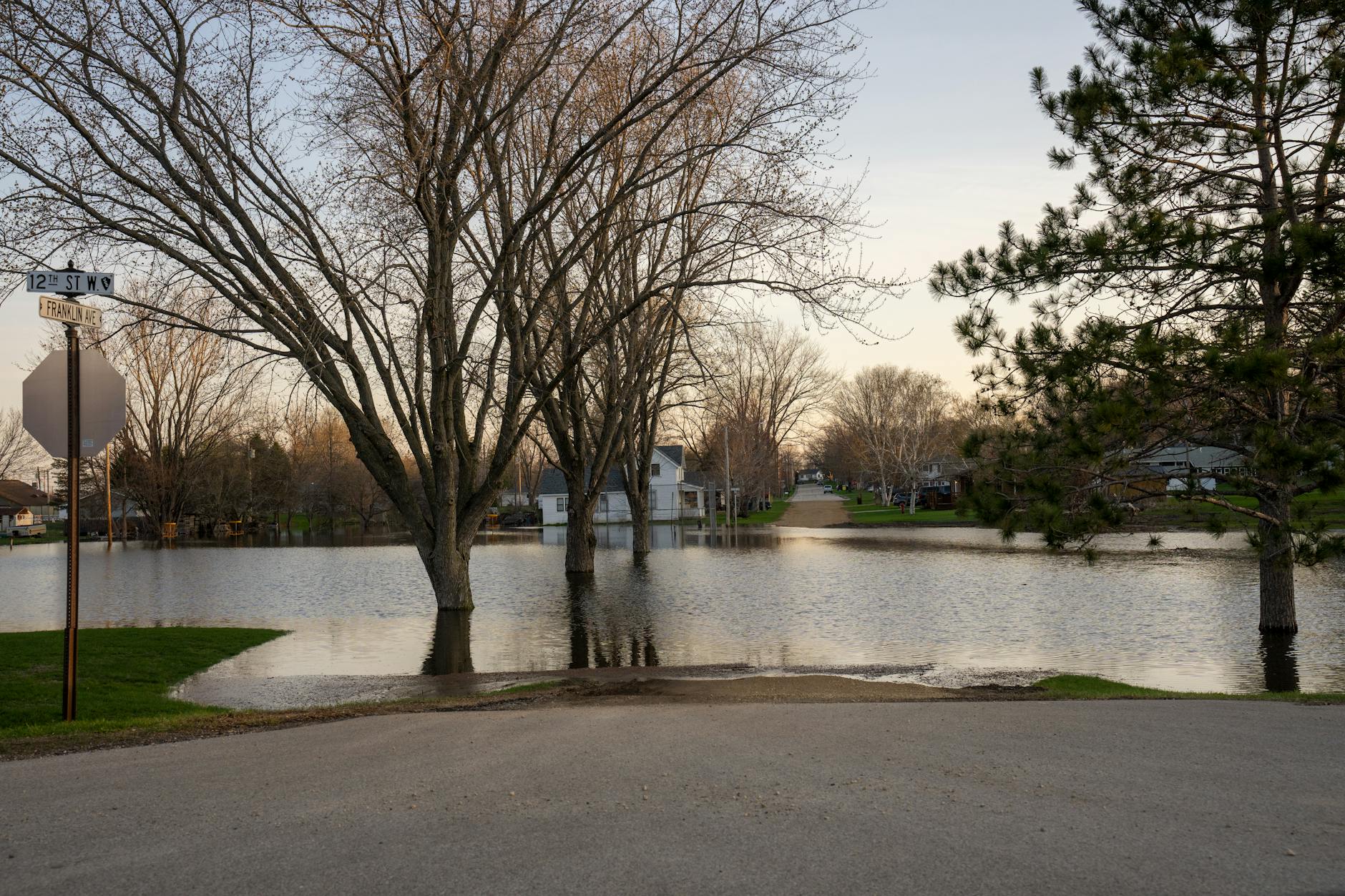
The scale of displacement has overwhelmed local authorities. Temporary shelters opened in schools, community centers, and sports halls across the region to accommodate the thousands of residents who fled rising waters. In Keswick, the town center disappeared beneath murky floodwater, forcing the evacuation of the entire commercial district and hundreds of homes.
“We had maybe thirty minutes to grab what we could,” said Margaret Thompson, whose family has lived in their Appleby cottage for three generations. “The water came so fast. One minute we were watching it in the distance, the next it was at our door.”
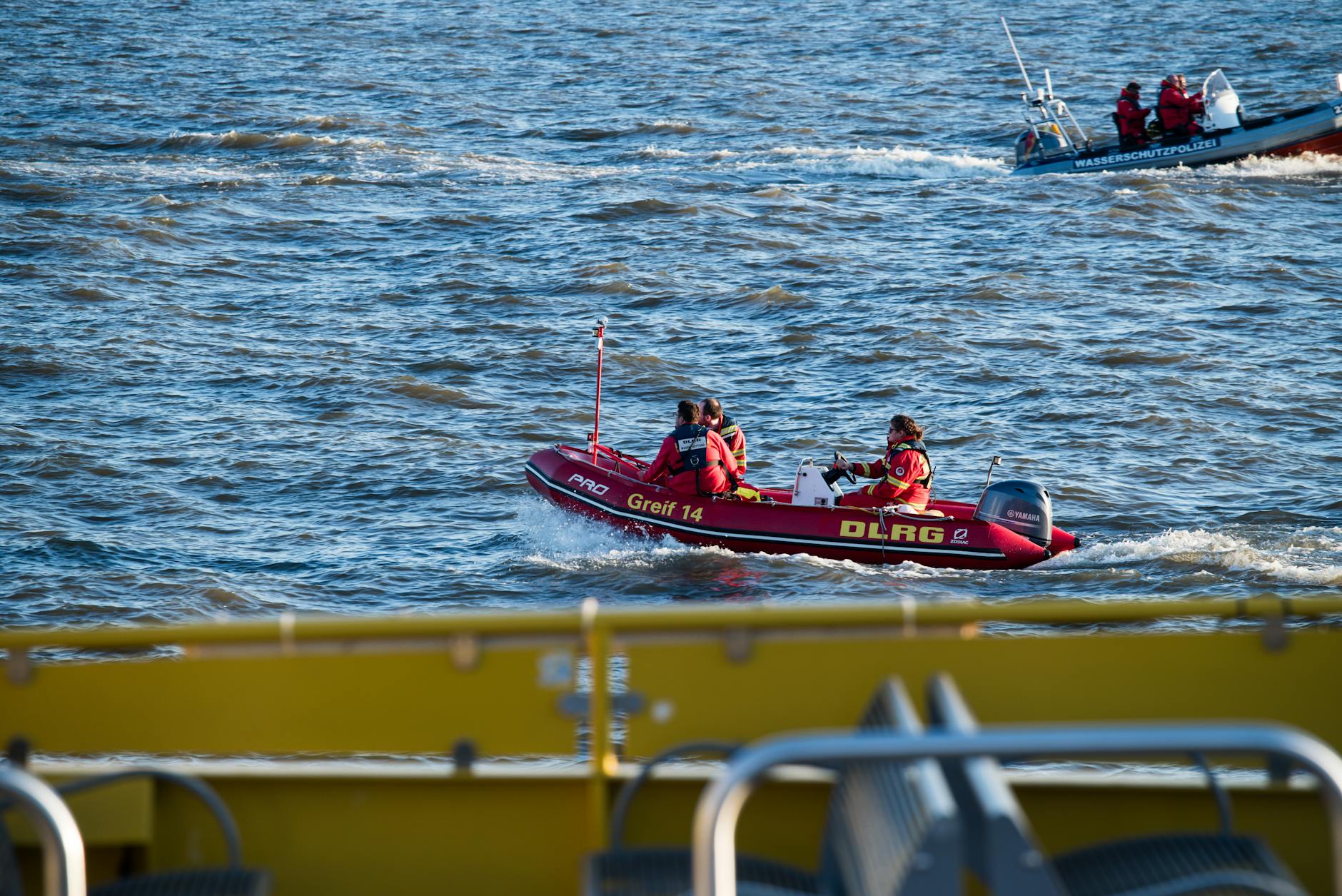
Emergency responders used boats and high-clearance vehicles to rescue residents trapped in upper floors of their homes. The Royal National Lifeboat Institution deployed inland rescue teams, working alongside fire services and mountain rescue volunteers. Some communities became completely cut off as bridges closed and roads disappeared beneath the surge.
Local councils activated emergency protocols, opening evacuation centers and coordinating with the Red Cross to provide basic necessities. The sheer number of displaced residents has strained resources, with some families traveling as far as Manchester and Newcastle to find available accommodations with relatives.
Infrastructure Collapses Under Pressure
The flooding has crippled transportation networks across Northern England. Major rail lines including the West Coast Main Line suspended services, stranding passengers and cutting vital connections between England and Scotland. The A66, a crucial east-west route, remained impassable in multiple locations.
Power outages affected tens of thousands of homes as electrical substations succumbed to flooding. United Utilities reported widespread disruption to water treatment facilities, leading to boil-water advisories in areas that still had electricity. Mobile phone networks faltered in several regions as communication towers lost power or sustained water damage.
Historic bridges dating back centuries couldn’t withstand the unprecedented flow. The 14th-century Pooley Bridge, a landmark spanning Ullswater, suffered significant structural damage. Engineers are assessing dozens of smaller bridges throughout the region, many showing signs of scour damage that could take months to repair.
Farmers face devastating losses as livestock areas flooded and winter feed stores were destroyed. The National Farmers Union estimates thousands of sheep and cattle were moved to higher ground, but many agricultural operations remain inaccessible. The timing couldn’t be worse, coming during crucial winter preparation periods.
Climate Patterns Behind the Deluge
Meteorologists point to an unusual weather pattern that stalled storm systems over the region for nearly a week. Atlantic weather fronts, typically moving quickly eastward, became trapped by high-pressure systems, creating a conveyor belt of moisture-laden air.
The Met Office recorded rainfall totals exceeding 200mm in 48 hours across multiple locations, with some weather stations reporting their highest daily totals on record. This intense precipitation fell on already saturated ground from previous autumn storms, reducing the soil’s ability to absorb additional water.
Climate researchers note these extreme weather events align with broader global patterns. The same atmospheric conditions contributing to India’s severe water shortages are creating opposite extremes in Northern England, highlighting the interconnected nature of global weather systems.
River flow gauges throughout the region registered levels not seen since the catastrophic floods of 2015 and 2009. The Environment Agency had invested millions in flood defenses following previous disasters, but the current event has overwhelmed many protective measures.
Recovery Challenges Ahead
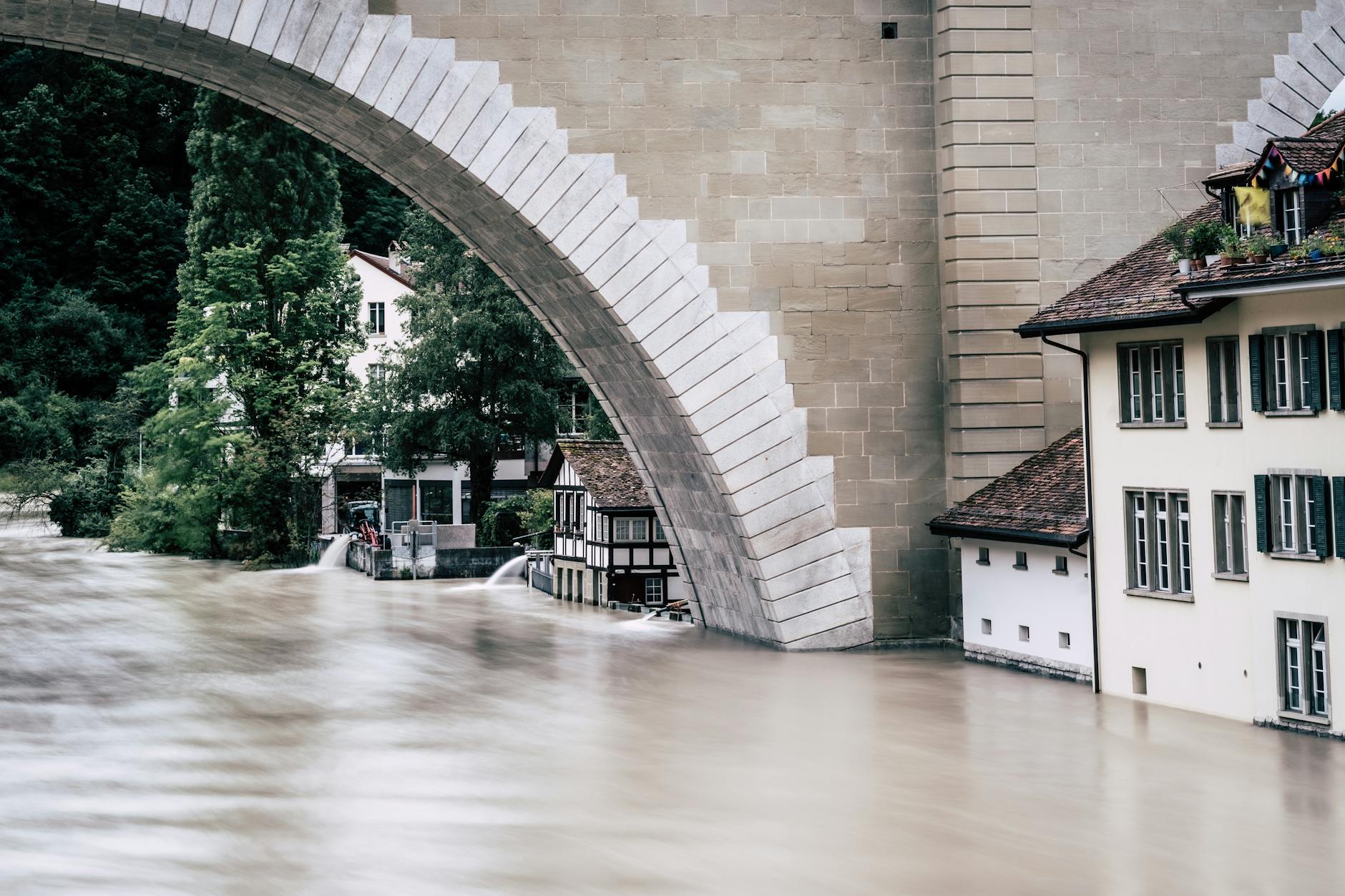
As floodwaters begin receding in some areas, the massive cleanup operation is revealing the full extent of damage. Insurance companies are mobilizing assessment teams, but many residents face months of displacement while homes undergo structural repairs and mold remediation.
The economic impact extends far beyond individual property damage. Tourism, a cornerstone of the Lake District economy, faces disruption during crucial winter booking periods. Hotels, restaurants, and outdoor activity businesses are assessing damage while trying to maintain operations for visitors.
Local authorities are coordinating with national agencies to establish temporary housing solutions. Some communities may need months to restore basic services like schools and medical facilities. The psychological toll on residents, particularly elderly populations who have lived through previous floods, requires ongoing support services.
Similar extreme weather events, from Australia’s devastating wildfires to flooding across Europe, demonstrate how communities worldwide are adapting to more frequent climate disasters. Northern England’s recovery will likely include discussions about long-term resilience planning and updated building codes.
The immediate focus remains on ensuring displaced residents have safe shelter and access to essential services. Weather forecasts show more rain expected in coming days, though not at the intensity that triggered the current crisis. Emergency services remain on high alert as communities begin the long process of rebuilding their flood-ravaged homes and businesses.
Frequently Asked Questions
How many people were evacuated from Northern England flooding?
Thousands of residents were evacuated from communities across Cumbria, North Yorkshire, and Lancashire as severe flood warnings were issued for over 40 locations.
What caused the severe flooding in Northern England?
Stalled storm systems brought over 200mm of rainfall in 48 hours, overwhelming already saturated ground and causing rivers to reach record levels not seen since 2015.